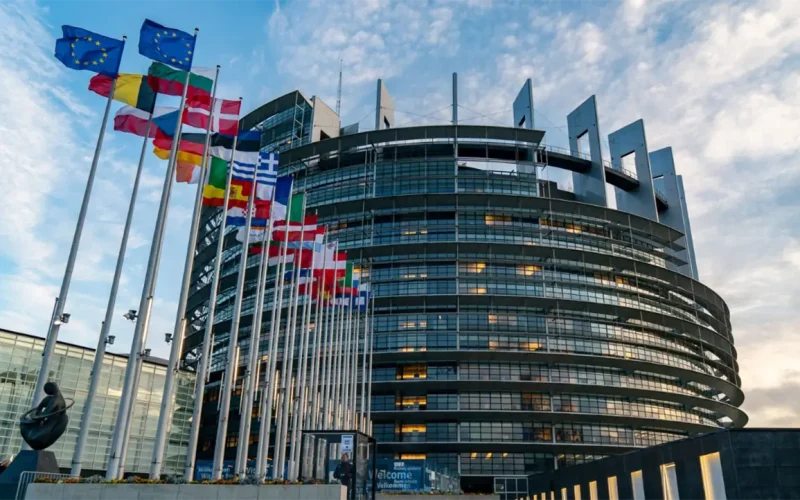
THE European Parliament has voted to halt direct financial support to Tanzania and consider targeted sanctions against government officials responsible for what lawmakers described as a brutal post-election crackdown that left thousands dead and resulted in reports of mass graves.
The resolution, adopted by an overwhelming 539 votes in favour with no opposition and 27 abstentions, condemns the Tanzanian government’s violent response to protests following disputed October 29, 2025, elections that regional observers, including the African Union and Southern African Development Community, sharply criticised as neither free nor fair.
The violence by security forces resulted in thousands of deaths and injuries, with reports of mass graves emerging after authorities imposed nationwide internet shutdowns and media blackouts to suppress information about the crackdown.

Opposition leader Tundu Lissu, who was barred from participating in the election, was arrested on April 9, 2025, and charged with treason—a capital offence under Tanzanian law—and remains detained under what the Parliament described as life-threatening conditions. Lawmakers demanded his immediate and unconditional release, along with access to family, legal counsel, and medical care.
The resolution also references the appointment of family members to key cabinet positions by the president, part of what MEPs characterised as a systematic erosion of democratic norms and concentration of power.
Members of the European Parliament called for a comprehensive, African-led international commission of inquiry to investigate alleged killings, enforced disappearances, and torture. The body also urged Tanzania to abolish the death penalty and commute all death sentences.
In a separate non-binding resolution adopted by a show of hands, MEPs successfully objected to the Commission’s draft Annual Action Plan for Tanzania for 2025, arguing it failed to adequately reflect the country’s democratic and human rights deterioration. The Commission has since suspended the decision pending review.
The EU was not invited to deploy election observation missions, a decision that now appears prescient given the subsequent violence. Going forward, Parliament has insisted that EU assistance should prioritise civil society organisations, human rights defenders, and journalists rather than direct government support.
Religious leaders across Tanzania, representing both Christian and Muslim communities, have condemned the government’s use of violence, adding moral pressure to the international response.
The Parliament has called on Tanzanian authorities to engage in inclusive political dialogue with opposition parties, civil society, and victims’ representatives to resolve the crisis and pave the way for new, credible elections.