IN a remote village in eastern Cameroon, where red earth fields stretch toward the horizon, and modest homes dot the landscape, an extraordinary story of compassion has earned global recognition.
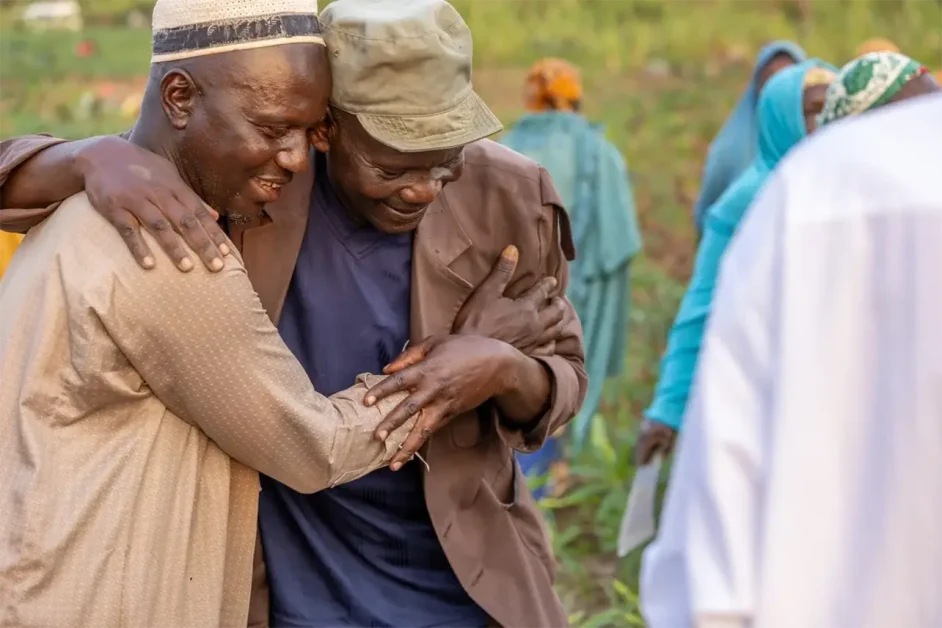
Chief Martin Azia Sodea of Gado-Badzéré has been named the 2025 UNHCR Nansen Refugee Award Global Laureate for leading his community’s remarkable embrace of tens of thousands of refugees fleeing conflict in the Central African Republic.
The prestigious award, announced Tuesday, celebrates the 73-year-old traditional leader’s unwavering commitment to hospitality and human dignity over the past eleven years.
When armed conflict erupted in CAR in 2014, Chief Sodea’s village of just 12,000 residents made an extraordinary decision: they welcomed up to 36,000 refugees into their community, tripling their population virtually overnight.
“The first refugees who arrived here were hungry after travelling long distances in harsh conditions,” Chief Sodea recalled, his voice softening at the memory. “I can still remember the cries of the children and the exhausted mothers who could no longer carry their babies.”
But unlike many refugee settlements that create separate camps, Gado-Badzéré chose a different path. The refugees were invited to live among the villagers, move freely through the community, and become part of the social fabric.
“From the start, it was never an option to isolate the refugees,” the chief explained. “No distinctions, no barriers.”
Education Without Borders
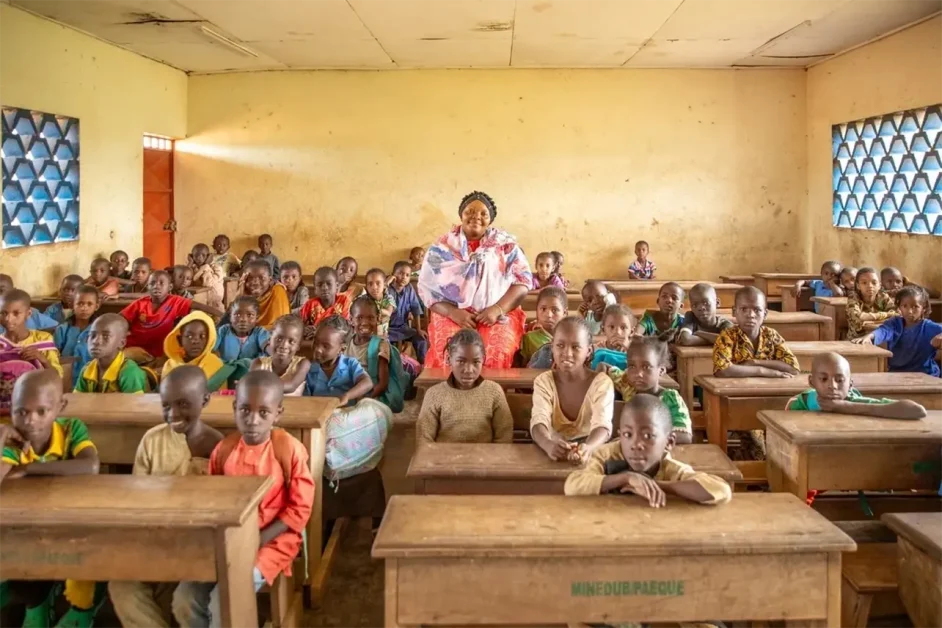
Today, that integration is visible everywhere. At the primary school where Chief Sodea once studied as a boy, nearly 65 percent of students are now refugees from CAR. In one first-grade classroom, 154 pupils squeeze into a space designed for a third of that number – but teacher Jacqueline Aissinga wouldn’t have it any other way.
“When I enter the classroom, I know I’m building the future of the whole village,” she said with pride. “I want to see these children grow up without weapons in their hands. I want them to succeed, to become leaders and responsible citizens.”
In the bustling school canteen, refugee mother Nazira Pélaji cooks alongside Cameroonian women, their laughter filling the air as they prepare lunch. After eleven years in Gado-Badzéré, where six of her seven children attend the local school, she considers the village home.
“When we arrived, we were tired and lost. But Cameroon welcomed us,” said the 52-year-old, her smile reflecting genuine gratitude. “I can never forget that.”
Land, Dignity and Self-Reliance
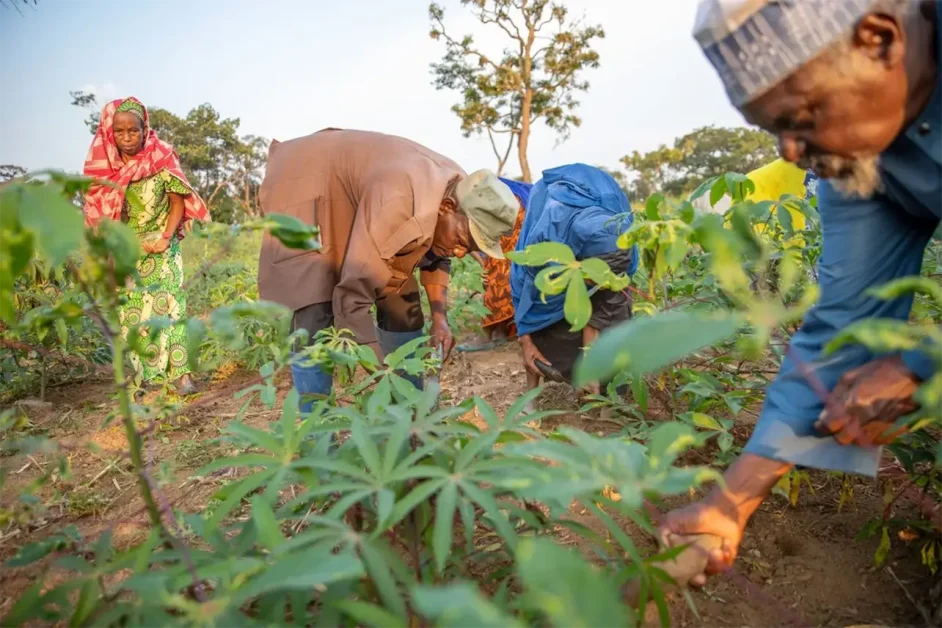
As humanitarian aid dwindled over the years, Chief Sodea found innovative solutions to maintain the community’s spirit of solidarity. He allocated approximately 66 hectares of land for refugees to farm, growing cassava, maize and other crops.
“Family dignity depends on their ability to feed themselves,” he explained. “Land doesn’t disappear. It’s been here since our ancestors and will remain after us. So why keep it for ourselves?”
The farming initiative has strengthened bonds between refugees and hosts while boosting self-reliance, as families grow their own food and sell surplus at local markets.
A Model for the World
The award ceremony will take place in Geneva on December 16, where Chief Sodea will be honoured alongside four regional winners. The recognition highlights not just his leadership, but Cameroon’s broader commitment to refugee inclusion through pledges made at the Global Refugee Forums in 2019 and 2023.
For Chief Sodea, a former gendarme who served 33 years, including as a UN peacekeeper in CAR, the greatest pride comes from watching his entire community embrace the challenge.
Weekly councils bring together the chief, village elders and refugee representatives to resolve tensions peacefully. Since 2014, not a single dispute has required court intervention.
“Today, our children speak Sango and Gbaya,” he said, referring to languages spoken by refugees and hosts, respectively. “We live together.”
While some refugees have begun returning to CAR as security improves, the chief admits each departure brings “real heartbreak” after more than a decade of shared life.
But his message remains clear: “It’s a source of great pride that Gado-Badzéré is now known worldwide. We had the heart for it, and I thank the people of Gado again for accepting this.”
In a world often divided by borders and fear, this small village in eastern Cameroon has shown that true hospitality knows no limits – and that compassion, when embraced by an entire community, can transform countless lives.