A 73-year-old businessman who poured millions into one of Zimbabwe’s premier safari destinations has been stripped of his investment after the country’s Supreme Court cancelled his lease, leaving him facing eviction without compensation in a ruling that has sent shockwaves through the investment community.
Terry William Kelly, whose Chewore Lodge has hosted international tourists for 15 years and generated substantial revenue for both his company and the Zimbabwean government, now stands to lose everything after judges ruled his 25-year lease agreement was invalid — despite years of government acceptance of his rental payments and operational permits.
The court’s decision hinged on a disputed ministerial signature, with former Environment Minister Oppah Muchinguri-Kashiri denying she signed the lease document that bore her name. Unable to prove the minister personally authorised the agreement, despite testimony from a former Zimbabwe Parks and Wildlife Management Authority official confirming it came through official channels, the courts sided against Kelly’s company, Suscaden Investments.
“The government treated this lease as legitimate for over a decade, accepted millions in rent, and benefited from the jobs and tourism revenue this lodge generated,” said a source close to the case who spoke on condition of anonymity. “Now they’re saying it was never valid, and one man loses everything because of failures in their own processes.”
Chewore Lodge, nestled in the Zambezi Valley, has been a jewel in Zimbabwe’s tourism crown, attracting visitors from across the globe seeking authentic African safari experiences. Kelly operated the property under two separate leases and a settlement agreement, all issued by ZimParks, the state authority responsible for wildlife management areas.
The Supreme Court ruling represents a catastrophic loss for the septuagenarian investor, who now faces the prospect of walking away from the multimillion-dollar development with no compensation. Legal experts say the decision raises troubling questions about investment security in Zimbabwe, particularly when government agencies accept payments and permit operations for years before declaring agreements invalid.
“This sends a chilling message to investors,” said one Harare-based attorney who declined to be named. “If the state can accept your money, benefit from your operations, and then claim the foundational documents were never valid, what protection does anyone have?”
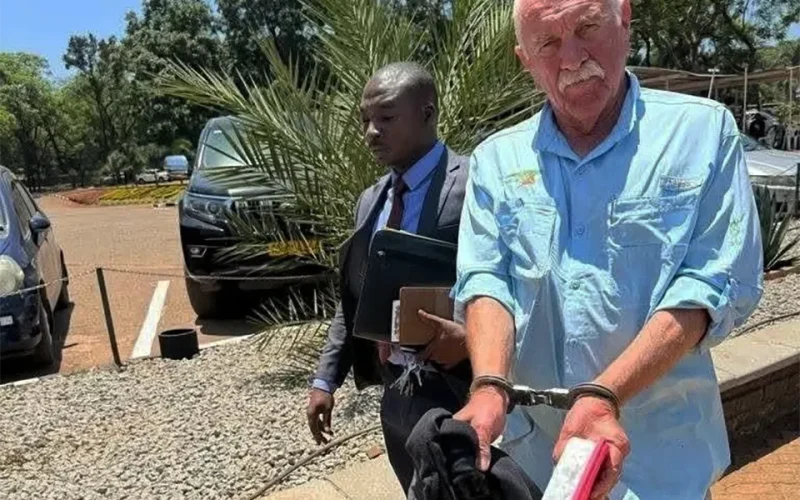
For Kelly, who invested his fortune into building and operating one of the region’s most sought-after safari properties, the loss extends beyond financial ruin. The image of an elderly businessman facing eviction — treated, in his words, “like a criminal” — after dedicating 15 years to building a business that employed Zimbabweans and showcased the country’s natural beauty, has become a cautionary tale in investment circles.
The Zimbabwe Parks and Wildlife Management Authority did not respond to requests for comment. The Ministry of Environment has yet to issue a statement on the ruling or address questions about why the lease was accepted for so many years if it lacked proper authorisation.
As Kelly prepares to leave the property he built, the broader implications for Zimbabwe’s struggling tourism sector remain unclear. The country has been working to rebuild its reputation among international investors following decades of economic turmoil and property disputes that have discouraged foreign capital.