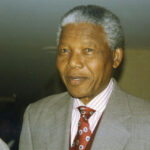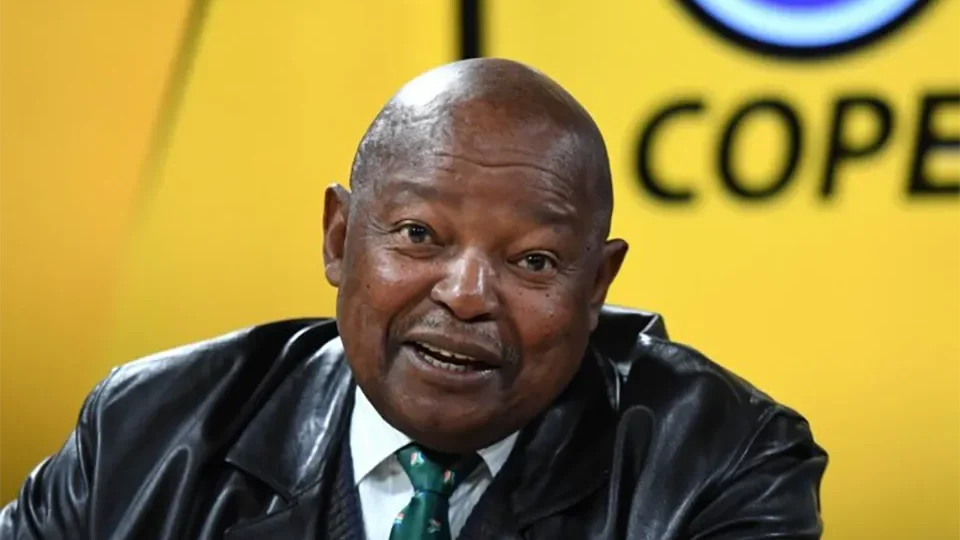

TRIBUTES have poured in from across the political spectrum for the freedom fighter who served on Robben Island alongside Nelson Mandela.
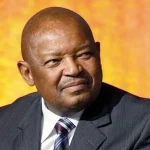
Mosiuoa “Terror” Lekota, one of South Africa’s most enduring liberation struggle figures, former Minister of Defence and founding president of the Congress of the People, died on Wednesday morning at a hospital in Midrand after a prolonged illness. He was 77.
COPE confirmed the death of its president in a statement on Wednesday, saying he passed away after a period of illness. Lekota had stepped back from active political duties in August 2025 to focus on his health, with the party appointing an acting leader after his departure.
President Cyril Ramaphosa said the country had lost “a patriot, a freedom fighter, and a servant of the people whose life story is closely intertwined with our journey of struggle and the realisation of democracy.”
“His life was one of resilience, courage, and steadfast belief in justice,” Ramaphosa said, adding that Lekota would be remembered for his “principled dedication to non-racialism” and his role in establishing the National Council of Provinces.
Born on 13 August 1948 in Kroonstad in the Free State, Lekota earned his nickname on the soccer field before channelling that same combative spirit into the fight against apartheid. He was imprisoned on Robben Island in 1974, where he spent eight years alongside Nelson Mandela and other struggle leaders. After his release in 1982, he rose to prominence in the United Democratic Front, a coalition of more than 400 grassroots organisations that mobilised resistance against apartheid. His UDF involvement led to a conviction in the four-year Delmas Treason Trial in 1988, though that conviction was overturned on appeal the following year.
In the democratic era, Lekota became the first Premier of the Free State in 1994, the inaugural Chairperson of the National Council of Provinces, and served as Minister of Defence from 1999 to 2008 — the year he broke with the ANC to co-found COPE.
Factional struggles within COPE led to its gradual decline, and the party failed to win any parliamentary seats in the 2024 general elections, ending Lekota’s career as a lawmaker.
Tributes arrived swiftly from across party lines. United Democratic Movement leader and Deputy Minister of Defence Bantu Holomisa said Lekota had strengthened South Africa’s opposition landscape. “He decided to leave the ANC and formed COPE with other South Africans, by doing so he literally strengthened the opposition parties,” Holomisa said. “His role was not doubted, because he and others from the ANC did understand the passage of the struggle.”
Public Works and Infrastructure Minister Dean Macpherson, who served alongside Lekota in Parliament for a decade, described him as “a political trailblazer in many ways, who made his mark in post-democratic South Africa,” recalling his warmth and kindness.
The South African Federation of Trade Unions also paid its respects, extending condolences to Lekota’s family and “all those in the broader democratic movement who worked alongside him over many decades of struggle.”
COPE’s interim leader Teboho Loate described the death as a tremendous loss, saying Lekota was more than a leader — “the heart and soul of COPE from the day it was born.”
The Lekota family has requested privacy during this period. Further details regarding memorial arrangements will be communicated in due course. Reports indicate he will be buried in his home region in the Free State. He is survived by his wife and four children.