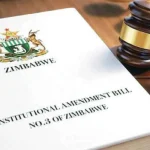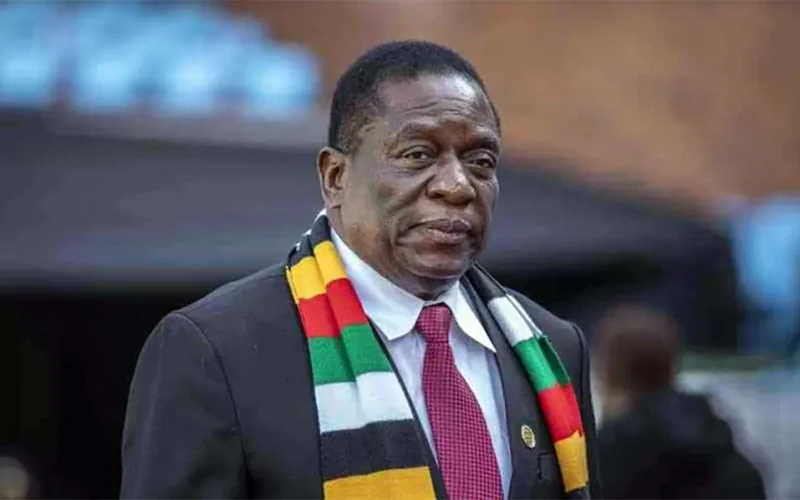
A cohort of retired military generals and former senior civil servants has publicly accused President Emmerson Mnangagwa of masterminding Constitutional Amendment Bill No. 3 (CAB3) to entrench personal power, setting up a fraught showdown that threatens to cleave the ruling party’s liberation-era consensus and deepen Zimbabwe’s political crisis.
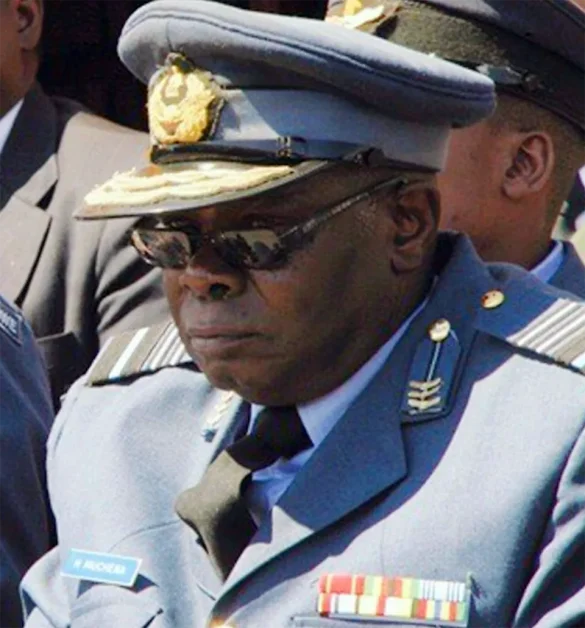
In a statement issued in Harare and signed by retired Air Marshal Henry Muchena, the group said recent private meetings with Mnangagwa left them unconvinced and alarmed. Their account paints a president dismissive of constitutional scruple – “whoever wins, wins,” they quote him as saying – and argues the parliamentary consultation process was choreographed to rubber-stamp a preordained outcome. The retired officials called instead for a national referendum, warning that extending presidential and parliamentary terms without direct voter approval would amount to a constitutional usurpation.
The gravity of the charge lies in the accusers. These are not casual critics but figures whose authority rests on the liberation struggle and service to the state. Their intervention transforms opposition to CAB3 from the narrow preserve of civil society and opposition parties into a rupture within ZANU‑PF’s own pantheon. It is a symbolic repudiation with real political weight: the same veterans who once abandoned Robert Mugabe and cleared the path for Mnangagwa in 2017 now signal that they may no longer count him among their standard‑bearers.
Worse for the presidency are the explosive allegations of corruption and vote‑buying. The generals claim a US$31 million war‑chest is being used to secure parliamentary support, that MPs have been promised US$50,000 each and that provincial party leaders received Land Cruiser LC300s and six‑figure payouts. If substantiated, such claims would not only criminalise the legislative process but also expose a transactional patronage apparatus that corrodes institutional legitimacy and invites both domestic legal action and international censure.
The implications are manifold. At stake is the very authority of Zimbabwe’s constitutional order. Parliament’s integrity, the independence of the courts and the moral standing of the presidency all hang in the balance. The generals’ appeal to the judiciary to uphold constitutional responsibilities casts the courts as the next critical battleground. How quickly and decisively judges respond will determine whether the crisis is settled in courtrooms, parliaments, the streets, or behind closed doors.
This drama also reopens old fault lines within ZANU‑PF. The party is no monolith but an uneasy coalition of liberation veterans, security sector interests, business patrons and younger political actors. CAB3 has become a lightning rod that exposes competing logics: those who claim stewardship of the liberation legacy and those who have profited from post‑2017 patronage. The generals’ warning of “unspecified actions” adds an ominous tone; while they pledge legal and civic opposition, their capacity to mobilise veterans and influence serving security elements gives the warning teeth.
Internationally, the stakes are significant. Credible evidence of bribery and constitutional manipulation would likely prompt renewed Western condemnation and could revive targeted sanctions or conditionalities. Regionally, neighbouring states and the African Union may be compelled to mediate to avert destabilisation, even as they weigh norms of non‑interference against the need to prevent domestic collapse.
Four pathways now present themselves. The government could contain the crisis — co‑opt, intimidate, or sideline dissenters and push CAB3 through; do so and it secures short‑term control but at the cost of further eroded legitimacy. It could negotiate a retreat — agree to a referendum or meaningful public consultations — and thereby defuse the crisis. Alternatively, a prolonged stalemate of legal battles, elite infighting and street mobilisation could sap governance and investment. In the worst scenario, the dispute could be securitised and escalate into a constitutional crisis with potential for violent confrontation.
What will decide the trajectory is simple: evidence, institutions and signals from the security sector. Leaks or forensic proof of the alleged US$31 million will be decisive. Court rulings that either restrain or endorse Parliament’s timetable will set legal precedent. And the public posture of serving military and police chiefs – whether they stay neutral, side with Mnangagwa, or echo the generals – will determine whether this remains a political contest or becomes a breakdown of constitutional order.
For Zimbabweans, the generals’ break is stark: the liberation narrative they invoke now condemns the very maneuvers used to maintain power. Whether that recasting will restore constitutional norms or lead to a harsher consolidation of authority depends on choices made in the next weeks – by judges, MPs, the security leadership and by Mnangagwa himself. The country faces not merely a bill, but a test of whether its post‑liberation institutions will protect the democratic process or bend to a new choreography of power.