IN a remarkable turn of events that could reshape the future of the Great Lakes region, two groundbreaking agreements have ignited fresh hope for peace in the war-torn eastern Democratic Republic of Congo (DRC). After years of devastating conflict marked by violence, displacement, and deep-seated mistrust, the forces that once seemed irreconcilably opposed have taken bold steps toward reconciliation – steps that may finally break the cycle of bloodshed.
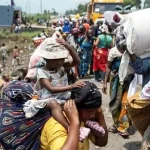
For months, the world watched with growing alarm as the M23 rebel group seized control of strategic cities like Goma and Bukavu, plunging the region into chaos and despair. Their advance threatened not only the stability of the DRC but the fragile peace of the entire Great Lakes region.
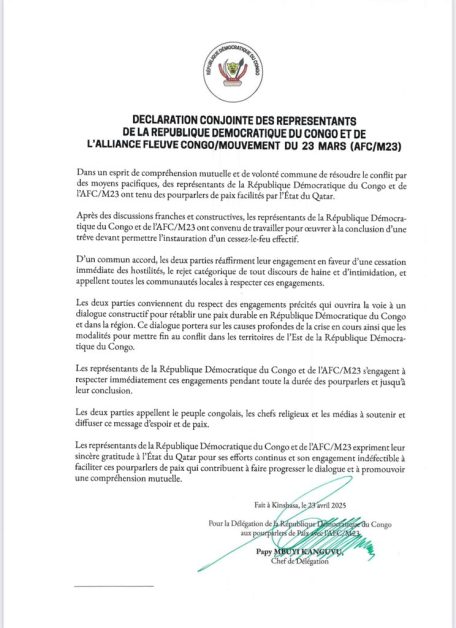
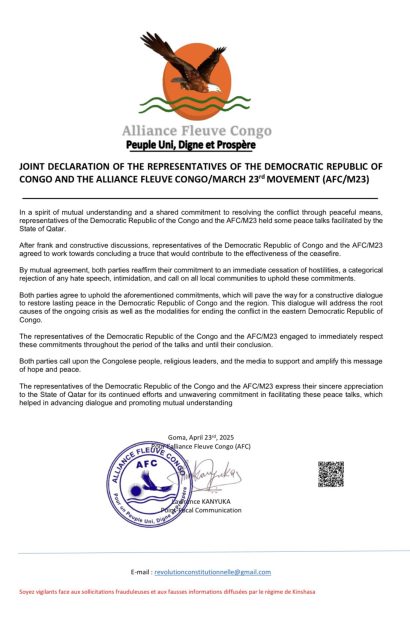
Yet, in a dramatic shift, the M23 rebels have now signed a historic agreement brokered by the government of Qatar, committing to an immediate and unconditional ceasefire. This pact, forged amid intense negotiations in Doha, signals a willingness to lay down arms and engage in dialogue – a gesture that once seemed unthinkable.
The ceasefire agreement goes beyond halting violence; it embodies a shared determination to reject hate speech and intimidation, and to foster trust among communities long divided by conflict. It is a testament to the power of diplomacy and the courage of leaders willing to choose peace over war.
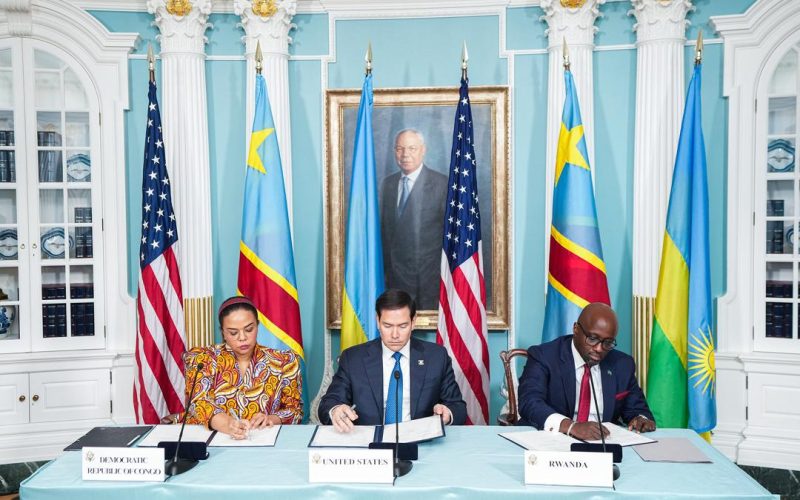
Even more striking is the parallel breakthrough between the DRC and Rwanda, two nations whose fraught history has often fueled instability in the region. In a ceremony witnessed by the U.S. Secretary of State, the foreign ministers of Rwanda and the DRC signed a landmark peace accord brokered by the United States.
This accord represents a commitment to mutual respect, security cooperation, and a shared vision for a peaceful future. It addresses the complex regional dynamics that have long exacerbated the conflict, including allegations of external support for rebel groups and cross-border tensions.
By choosing dialogue and partnership, Rwanda and the DRC are sending a powerful message: that historical grievances can be overcome, and that collaboration is the path to lasting peace.
These twin agreements arrive at a critical juncture. The scars of conflict run deep, and previous ceasefires have faltered. Yet, the involvement of Qatar and the United States as mediators has infused the process with renewed credibility and momentum.
As negotiators prepare for further talks in Doha, the people of eastern Congo – and the broader region – dare to dream of a future free from violence, where communities can rebuild, and children can grow up without fear.
This moment is more than a diplomatic milestone; it is a beacon of hope. It reminds us that even in the darkest times, the human spirit’s yearning for peace can prevail. The path ahead will require patience, vigilance, and unwavering commitment, but today, the promise of peace shines brighter than ever over eastern DRC.