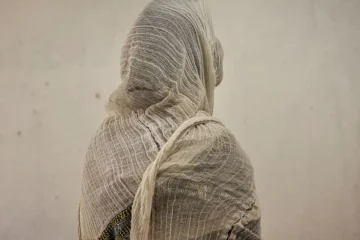
LESEDI Molapisi, a 31-year-old Botswana national, clings to hope as her fate hangs precariously in the balance. Sentenced to death in May 2024 for smuggling 3.1 kilograms of heroin into Bangladesh, Molapisi’s case has ignited a global firestorm over capital punishment, diplomatic intervention, and the treatment of foreign nationals in the South Asian nation’s notoriously strict legal system.
Molapisi’s ordeal began in January 2023 when customs officials at Dhaka’s Hazrat Shahjalal International Airport discovered heroin concealed in her luggage during a routine search. She had arrived from South Africa via Qatar, allegedly unaware of the drugs hidden in handbags given to her by an acquaintance. Convicted under Bangladesh’s Narcotics Control Act, which mandates death for possession of over 25 grams of heroin, Molapisi’s sentence sparked immediate outrage.
While initial reports in March 2025 claimed her execution had occurred, Botswana’s High Commissioner to India, Gilbert Mangole, clarified that an appeal remains pending in Bangladesh’s courts. “We last checked on Molapisi in December; she was in good health but afraid,” Mangole told Radio Botswana, noting delays could stretch for over a year. Botswana’s government, led by President Duma Boko, has vowed to escalate diplomatic efforts, including a proposed meeting between Boko and Bangladesh’s president to secure a pardon.
Molapisi’s case has reignited debates over the death penalty’s efficacy and fairness. Amnesty International and other groups condemned Bangladesh’s stance, arguing that capital punishment for non-violent drug offences violates international human rights norms. In Botswana, activists criticized the government’s muted response, contrasting it with President Masisi’s earlier pledge to support Molapisi’s appeal. Ditshwanelo, Botswana’s leading human rights organization, reiterated its opposition to the death penalty, calling it “inhumane and irreversible”.
Molapisi’s family, who have yet to visit her in prison, await news with bated breath. Her father, Goitsemodimo Molapisi, previously accused Botswana’s government of inaction, relying instead on an African expatriate group in Bangladesh for support. Efforts to repatriate her remains for burial are underway, a grim reminder of the irreversible stakes.
LESEDI MOLAPISI TO BE EXECUTED THIS FRIDAY
— Cassiday Rangata-Jacobs (@CRangataJ) March 20, 2025
Lesedi Molapisi who was sentenced to death in Bangladesh will be hanged on Friday.
Molapisi will be executed on the 21st March, 2025 after having been sentenced to death in May last year for smuggling over 3kg of heroin.
Her execution… pic.twitter.com/CUJ12amuJM
Bangladeshi officials remain resolute, framing Molapisi’s case as a deterrent against international trafficking. “Our laws are strict, and those who break them must face the consequences,” declared a narcotics control official. Yet critics highlight systemic flaws, including opaque trials and inadequate legal representation for foreign nationals.
As Molapisi’s appeal languishes, her story has become a rallying cry for abolitionists worldwide. Seven international rights groups, including Amnesty International, urged Bangladesh to commute her sentence and abolish the death penalty for drug offences (5). The case underscores the risks faced by vulnerable individuals caught in the crosshairs of punitive drug policies, where justice often seems secondary to symbolism.
For Molapisi, time ticks on—a life suspended between hope and despair, as the world watches Bangladesh’s next move. Will diplomacy prevail, or will the gallows claim another victim in the name of deterrence? Only time will tell.
Botswana Woman Lesedi Molapisi Executed In Bangladesh For Smuggling 3.146kg Heroin. pic.twitter.com/SCPu70dtQO
— Carrington Mwendwa (@OleCarrington) November 25, 2022