
AFRICA is intensifying its decades-long campaign to claim permanent seats with veto power on the United Nations Security Council, with Nigeria spearheading calls for what leaders describe as an overdue overhaul of the global governance system.
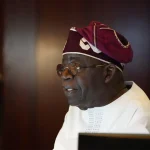
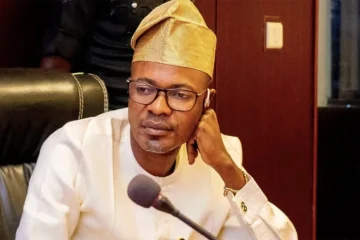
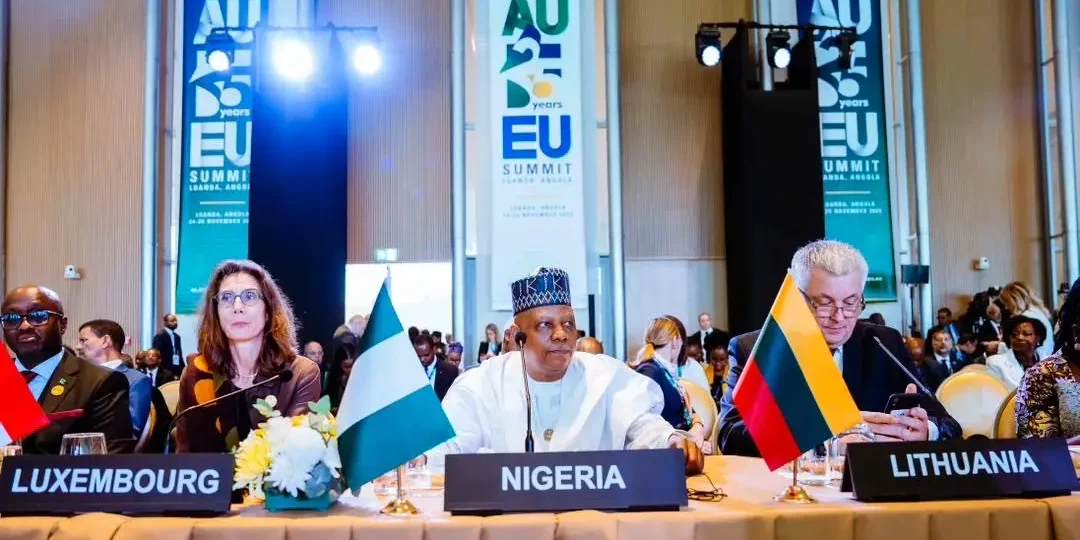
Speaking at the 7th African Union–European Union Summit, Nigerian President Bola Ahmed Tinubu declared that the time has come for the continent to secure full representation on the world’s most exclusive decision-making body – a 15-member council where five permanent members have held veto authority since 1945.
“It is time for Africa to occupy permanent seats on the UN Security Council, with all attendant privileges, including the veto,” Tinubu said through Vice President Kashim Shettima. “Genuine text-based negotiations under the Intergovernmental Negotiations framework must now commence.”
The demand comes as Africa, home to 1.4 billion people and 54 nations, remains the only inhabited continent without permanent representation on the Security Council, despite comprising more than a quarter of UN member states.
Continental Push Gains Momentum
Nigeria’s diplomatic offensive reflects growing frustration across Africa over what many view as a post-World War II power structure that no longer reflects contemporary geopolitical realities. The push for reform seeks to dismantle a system where the United States, Russia, China, France, and the United Kingdom alone wield veto power over resolutions affecting global peace and security.
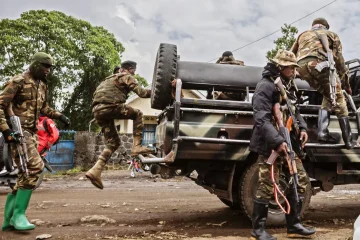
President Tinubu urged European Union member states to support Africa’s “long-standing and legitimate call for reform,” framing the issue as essential to addressing mounting challenges, including armed conflict, climate pressures, irregular migration, and political instability.
The Nigerian leader emphasised that meaningful solutions to these transnational crises require African leadership rather than externally imposed frameworks. “Peace and security initiatives must be co-created with African partners and anchored in African-led frameworks,” he insisted.
Nigeria Showcases Security Gains
To bolster Africa’s case for greater global authority, Tinubu highlighted Nigeria’s own security achievements. He revealed that over 120,000 Boko Haram-affiliated individuals, including family members, have surrendered since early 2025 following combined military and non-military measures.
Nigeria has deployed the Multinational Joint Task Force in the Lake Chad Basin as what Tinubu called “an effective model of African-led cooperative security.” The country recently signed a Sea-Lift Agreement with the AU Standby Force to enhance Africa’s rapid deployment capabilities for peace operations.
The president firmly rejected the use of private military companies in African conflicts, stating they “complicate resolution efforts and undermine state sovereignty.”
Democracy and Migration at Crossroads
Tinubu also condemned the resurgence of unconstitutional government changes across Africa while proposing alternatives to Europe’s approach to irregular migration. Rather than criminalisation, he advocated for structured labour pathways that recognise centuries of West African mobility traditions.
“Seasonal mobility has underpinned West African civilisation for centuries,” Tinubu said, suggesting programs that could channel Nigeria’s skilled youth population toward Europe’s labour needs through legal channels.
On Sudan’s devastating conflict, which has killed over 40,000 people and displaced 12 million, the Nigerian leader called for accountability for external actors fueling the violence.
As multilateralism faces global headwinds, Africa’s bid for permanent Security Council representation represents a fundamental challenge to the existing world order—one that leaders say can no longer justify excluding an entire continent from its highest councils of power.