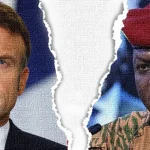
ALGERIA and France, bound by a tumultuous colonial legacy, have reached the nadir of their diplomatic relationship, with political ties now effectively collapsed following a series of unprecedented tit-for-tat expulsions and escalating confrontations. This rupture, described by analysts as the most serious crisis since Algeria’s independence in 1962, signals a profound shift in the Maghreb’s geopolitical landscape and further erodes France’s influence in Africa.
Latest incidents escalating the crisis include:
- On May 12, Algeria expelled 15 French diplomats, citing “irregular positions” and procedural violations in the appointment of new French officials. This move followed earlier expulsions, including 12 French embassy staff in April, which Algeria justified as retaliation for the arrest of an Algerian consular employee in Paris, accused of conspiring to assault an Algerian opposition activist.
- France responded on May 14 by expelling Algerian diplomats, invoking “strict reciprocity” and calling on Algeria to return to constructive dialogue. French Foreign Minister Noël Barrot stated, “The Algerians wanted to send back our agents; we are sending theirs back,” underscoring the depth of the standoff.
These measures have effectively dismantled the 2013 agreement that allowed diplomatic passport holders to travel freely between the countries, and have led to the cancellation of high-level meetings, business forums, and joint commissions.
The immediate trigger was France’s 2024 decision to support Morocco’s autonomy plan for Western Sahara, a territory Algeria fiercely defends as Africa’s last colony and supports the Polisario Front’s independence claims. This policy reversal was perceived in Algiers as a direct affront and betrayal, prompting the withdrawal of its ambassador and a cascade of retaliatory actions.
The crisis was compounded by high-profile incidents, including the arrest of dual-national writer Boualem Sansal in Algiers for statements made in French media, and the detention of Algerian consular staff in France. Both sides have accused each other of violating diplomatic norms and sovereignty.
Implications for Bilateral and Regional Relations
- Economic Fallout: Bilateral trade, once exceeding $12 billion annually, has plummeted by 30% since last summer. Hundreds of thousands of Algerian-born residents in France now face heightened uncertainty over travel and consular support.
- Security Cooperation: Joint efforts on counterterrorism and migration management have stalled, undermining stability in the Mediterranean and North Africa.
- Political Isolation: The breakdown comes as Algeria is also embroiled in disputes with Mali, Burkina Faso, and Niger, all of which have pivoted away from France and Algeria toward Russia, further fragmenting the region’s alliances.
Impact on France’s Standing in the Maghreb and Sahel
- France’s influence in North Africa is now at a historic low. Its recognition of Moroccan claims over Western Sahara alienated Algeria and deepened divisions across the Maghreb.
- This diplomatic collapse follows France’s expulsion from Mali, Burkina Faso, and Niger, where anti-French sentiment and military coups have led to the severing of defense agreements and the closure of French embassies. These Sahelian states have since aligned more closely with Russia and other non-Western partners, signaling a broader rejection of French and Western influence.
- The pattern of ruptured relations with both Algeria and the Sahelian bloc underscores a crisis not just in bilateral ties, but in France’s entire Africa policy-a crisis marked by accusations of neocolonialism, inconsistent engagement, and a failure to adapt to new regional realities.
Said one political expert who declined to be identified: “There’s a growing belief in Algeria that President Macron…is incapable of managing this phase amid increasing political competition over his succession. From this perspective, we expect the crisis to intensify in the coming days.”
The collapse of Algeria-France relations marks a watershed moment in North African and European diplomacy. With both nations entrenched in mutual recrimination and regional alliances shifting rapidly, the fallout will reverberate far beyond their borders-destabilising economic ties, undermining security frameworks, and accelerating France’s decline as a power broker in the Maghreb and the broader Sahel. The era of postcolonial reconciliation appears definitively over, replaced by a new phase of confrontation and realignment.