ALI Bongo’s discreet departure from Gabon to Angola, alongside his wife and son, marks yet another chapter in the recurring saga of African leaders who, after years of autocratic rule and alleged plunder, exit the stage to relative comfort abroad, leaving behind nations fractured by their legacies.
A Dynasty Ends, but the Cycle Continues
Bongo’s ouster in the August 2023 coup ended a family dynasty that had ruled Gabon for over half a century-first under his father, Omar Bongo, and then himself from 2009. The Bongo era was characterised by allegations of corruption, embezzlement, and the concentration of wealth and power in the hands of a small elite, while the majority of Gabon’s population remained mired in poverty despite the country’s oil riches.
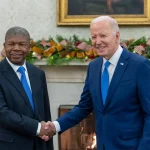
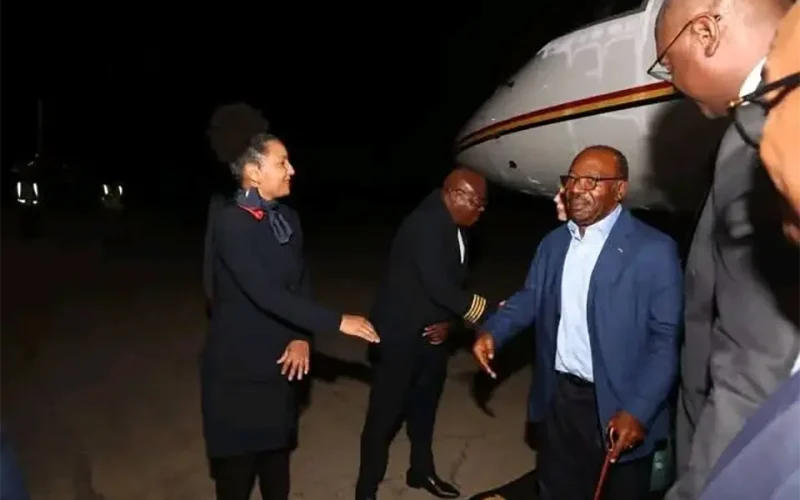
After the coup, Bongo and his family faced a brief period of incarceration and house arrest, with his wife and son accused of embezzlement and money laundering. Supporters alleged mistreatment in custody, though these claims were denied by the new regime. Yet, after negotiations led by Angolan President João Lourenço, himself the current chair of the African Union, the Bongo family was quietly flown to Luanda, Angola, in a move orchestrated with diplomatic precision.
History Repeats: Exile and Comfort for Ousted Leaders
Bongo’s fate mirrors that of other African leaders who, after being forced from office-often by popular uprisings or military coups-find sanctuary and security abroad rather than facing justice or accountability at home. Robert Mugabe of Zimbabwe, Blaise Compaoré of Burkina Faso, and others have all left behind countries in turmoil, yet lived out their post-presidency years in relative ease.
This pattern is not new. In the early decades of post-colonial Africa, deposed leaders sometimes faced imprisonment, exile, or even death. But in recent years, the trend has shifted toward negotiated exits that prioritise stability and international legitimacy over justice or restitution for the victims of misrule. The calculus is clear: a peaceful transition, even if it means impunity for the ousted, is often deemed preferable to further bloodshed or instability.
The Human Cost: Picking Up the Pieces
For the millions of ordinary Gabonese, Bongo’s departure is unlikely to bring swift relief. The new regime, led by coup leader Brice Oligui Nguema-now sworn in after winning an election with nearly 95% of the vote-faces the monumental task of rebuilding institutions and addressing the deep inequalities entrenched over decades. The African Union, which suspended Gabon after the coup but has since readmitted it, has called for respect for the rights and health of the Bongo family, but has said little about justice for the people of Gabon.
Meanwhile, it remains uncertain whether the legal proceedings against Bongo’s wife and son will continue, or whether the family’s exile marks the end of accountability efforts. For many Gabonese, this outcome is a bitter reminder that the powerful often escape the consequences of their actions, while ordinary citizens bear the brunt of economic hardship, broken institutions, and uncertain futures.
Conclusion
Ali Bongo’s flight to Angola is emblematic of a broader African dilemma: the persistent gap between the rhetoric of justice and the reality of elite impunity. Until this cycle is broken-until leaders are held to account and the interests of citizens take precedence over the privileges of the few-the continent will continue to see its “lords of misrule” depart in comfort, while the people are left to pick up the pieces.