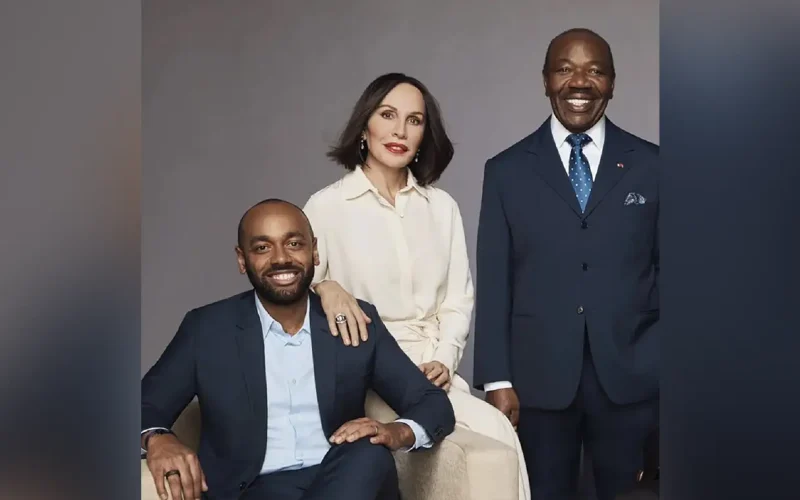
THE dramatic collapse of one of Africa’s most entrenched political dynasties reached another humiliating milestone this week when a Gabonese court convicted Sylvia Bongo and her son Noureddin in absentia, sentencing them each to 20 years in prison for financial crimes. The verdict, delivered while the family shelters thousands of miles away in Britain, marks not just a legal reckoning but the symbolic dismantling of a regime that ruled Gabon for 56 years.
From the gilded corridors of the presidential palace to detention cells, house arrest, exile in Angola, and now to Britain as convicted fugitives, the Bongo family’s trajectory tells a story of spectacular downfall that has gripped Central Africa. It is a fall from grace so complete that it raises profound questions about legacy, accountability, and the future of post-coup governance across the continent.
The Weight of Dynasty
The Bongo name once commanded absolute authority in Gabon. Omar Bongo ruled the oil-rich nation for 42 years until his death in office in 2009, establishing a political machine that made him one of the world’s longest-serving leaders. His son Ali seamlessly inherited power, extending the family’s grip for another 14 years until the military coup of August 2023 abruptly severed the dynasty.
Sylvia Bongo, Ali’s wife, was no mere ceremonial first lady. At 62, she wielded considerable influence over state affairs, with critics alleging she operated as a shadow power behind the throne. Her son Noureddin, 33, was similarly positioned at the heart of the regime’s inner circle. Together, they represented not just a family but an entire system of governance that blurred the lines between state resources and personal wealth.
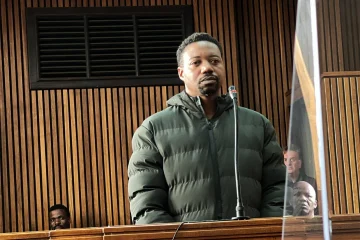
Now convicted of embezzlement of public funds and money laundering—charges they vehemently deny—mother and son find themselves branded as criminals by the very state they once controlled. The 20-year sentences handed down by the Specialised Criminal Court in Libreville carry the weight of judgment not just on individuals, but on decades of alleged plunder.
Justice or Vengeance?
The trial itself has become as controversial as the crimes alleged. Conducted in the defendants’ absence after they were transferred to Angola and then Britain, the proceedings have been dismissed by the Bongos’ legal team as a “show trial” predetermined by Gabon’s new military ruler, General Brice Clotaire Oligui Nguema.
“This verdict was predetermined in the office of President Oligui Nguema a long time ago—today was merely a rubber-stamping exercise,” Noureddin Bongo said in a statement following the conviction. His words echo broader concerns about due process in post-coup Africa, where new regimes often move swiftly to prosecute former rulers, sometimes with questionable adherence to legal norms.
The court’s president, Maixent Essa Assoumou, rejected such characterisations, insisting the verdict was “absolutely not an act of revenge, but a restoration of order.” Yet the optics remain troubling. The defendants were held in detention for nearly two years before being placed under house arrest and ultimately transferred out of the country. Their lawyers have alleged torture and confinement in underground cells—accusations that have prompted complaints in Paris, where both Sylvia and Noureddin hold French citizenship.
The question of whether this represents genuine accountability or political expedience cuts to the heart of Africa’s democratic struggles. Can justice be legitimate when administered by those who seized power through force? Or does the severity of alleged crimes under the Bongo regime justify any means of prosecution?
A Family in Flight
The Bongos’ journey from power to exile reads like a political thriller. Arrested within days of the August 2023 coup, they spent months in harsh detention conditions before their transfer to house arrest in May 2024. Then came their evacuation to Angola, facilitated by President João Lourenço’s government as a “humanitarian gesture.”
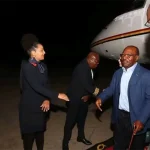
Angola’s involvement speaks to complex regional dynamics. By accepting the Bongos, Luanda positioned itself as a stabilising force in Central Africa, a mediator capable of easing tensions between Gabon’s new military leadership and the remnants of the old regime. The images released by the Angolan presidency of the family disembarking from their plane carried diplomatic weight—a public signal that the region’s power brokers were managing the transition.
But Angola was merely a waystation. The family has since relocated to Britain, where they now face an uncertain future as convicted criminals unable to return home. Their lawyer, François Zimeray, speaks hopefully of the family’s ability to “turn the page, heal and rebuild their lives,” but the reality is far grimmer. They are exiles with nowhere to go, their vast wealth potentially seized, their political capital exhausted.
The Bongos have remained conspicuously silent throughout their ordeal, issuing no public statements about the charges or their situation. This silence is telling—whether strategic or defeated, it marks a stark contrast to the commanding presence they once projected.
The Wider Pattern
The Bongo case cannot be understood in isolation. The 2023 Gabonese coup was the eighth military takeover in West and Central Africa between 2020 and 2023, part of a wave of democratic backsliding that has alarmed international observers. From Mali to Burkina Faso, from Guinea to Sudan, military officers have seized power with promises to root out corruption and restore stability.
General Oligui Nguema followed this script precisely. After toppling Ali Bongo, he moved swiftly to consolidate power, orchestrating an election in which he claimed nearly 95% of the vote—a figure that strains credulity and suggests continuity rather than change in Gabon’s authoritarian governance.
This week, ten more individuals face trial in Libreville on charges similar to those that convicted the Bongos, suggesting a broader campaign to dismantle the old regime’s networks. Whether this represents genuine reform or the establishment of a new patronage system remains to be seen.
The Question of Legacy
What remains of 56 years of Bongo rule? Infrastructure projects, certainly, and international relationships cultivated over decades. But also widespread poverty in a nation blessed with oil wealth, allegations of systematic corruption, and a political culture defined by personal enrichment rather than public service.
The Bongo dynasty’s downfall serves as a cautionary tale about the fragility of autocratic power, no matter how entrenched it appears. Omar Bongo likely never imagined that within 16 years of his death, his family would be convicted criminals in exile. Ali Bongo, who watched his father rule for his entire life, learned too late that longevity is no guarantee of survival.
For Sylvia and Noureddin Bongo, the 20-year sentences represent not just potential imprisonment should they ever return to Gabon, but the erasure of their political identities. They are no longer the first family of Gabon. They are convicted criminals, their names synonymous with the alleged theft of public resources rather than governance.
Looking Forward
As the Bongo family adjusts to life in British exile, Gabon faces its own reckoning. Can military rule deliver the accountability and reform it promised? Will General Oligui Nguema prove different from the leaders he overthrew, or will he simply establish a new dynasty?
The trial and conviction of the Bongos, whatever their legal validity, send a message across Africa: even the most powerful families can fall. But whether this represents progress toward accountability or merely the replacement of one authoritarian system with another remains the defining question of Central Africa’s political transition.
For now, the Bongo era has ended not with dignified retirement or peaceful transfer of power, but with prison sentences, exile, and the bitter taste of spectacular collapse. It is a fall that will be studied, debated, and remembered as a defining moment in the region’s troubled democratic journey—a reminder that no dynasty, however long-lived, is immune to the judgment of history or the violence of political change.
The Bongo family’s lawyer did not respond to requests for comment for this analysis.