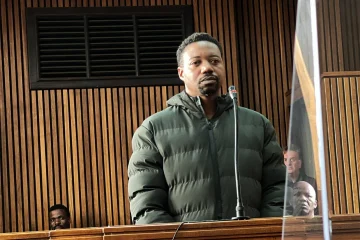
GABON is witnessing a pivotal moment in its pursuit of justice and political renewal, days after voters elected Brice Oligui Nguema, the general who ousted President Ali Bongo in a military coup, as the country’s new leader. The transfer of Sylvia Bongo, wife of the former president, and their son Nourredin Bongo from prison to house arrest marks a significant development in the high-profile corruption probe targeting the once-powerful Bongo family.
For more than half a century, the Bongo family dominated Gabonese politics. Omar Bongo ruled for 41 years, succeeded by his son Ali in 2009. Their long tenure was marred by allegations of widespread corruption, embezzlement, and the siphoning of public funds, leaving much of Gabon’s population impoverished despite the country’s oil wealth. Critics accused the family of monopolising power and enriching themselves at the expense of ordinary citizens.
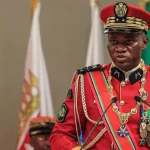
Discontent with Ali Bongo’s rule, exacerbated by his controversial re-election in August 2023 and his declining health after a 2018 stroke, culminated in a military coup led by General Nguema. The coup ended the Bongo dynasty’s 56-year grip on power and was justified by the military as a response to “irresponsible, unpredictable governance” and a fraudulent election. Nguema, now elected president with nearly 95% of the vote, pledged to reconfigure state institutions and restore democratic order.
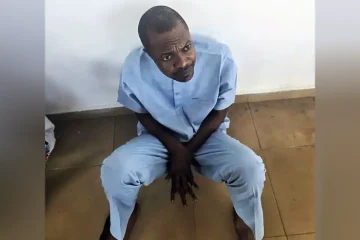
Shortly after the coup, Sylvia and Nourredin Bongo were detained on charges including embezzlement, corruption, and money laundering. Their supporters allege they were mistreated in custody, claims denied by Nguema, who insists their trials will proceed and that the legal process will be respected. The two were held in basement cells in the presidential palace before being transferred to house arrest in Libreville on May 9, following pressure from African Union officials and after staging a hunger strike that led to their hospitalisation.
The family’s house arrest reunites them with Ali Bongo, who has been under similar restrictions since his ouster. The timeline for their trial remains unclear, but authorities maintain that the Bongos are under judicial supervision and must cooperate with ongoing investigations.
The African Union, which recently lifted Gabon’s suspension from its Peace and Security Council, has called for the immediate release of the Bongo family and guarantees for their rights and health. Former Prime Minister Alain Claude Bilie By Nze, who ran against Nguema in the recent election, emphasised that the move to house arrest should not be seen as government clemency, but urged that any forthcoming trial must uphold legal guarantees of impartiality and transparency.
On the streets of Libreville, many Gabonese express support for the crackdown on the Bongo family, blaming decades of their rule for the country’s poverty and underdevelopment despite its oil riches. As Nguema consolidates his mandate, the nation’s focus is on whether the new administration will deliver on its promises of justice and reform, and whether the high-profile trials will mark a genuine break from the past or perpetuate old patterns of power.
The coming months will be critical in determining if Gabon’s new leadership can transform popular demands for justice into lasting institutional change.