AS February draws to a close, a gathering in Johannesburg marks a watershed moment in African history. One thousand women – sixteen from each of the continent’s 55 nations – will converge with a singular purpose: to dismantle centuries-old power structures that have too long masked oppression as tradition.
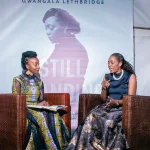
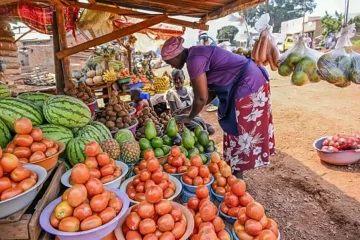
The conference centre will hum with purpose. Here, women who control billions in purchasing power but have been systematically excluded from decision-making tables will create their own forum. Market women who manage vast trading networks will sit alongside corporate leaders who command multinational companies. Both groups will share stories of navigating patriarchal business structures that have consistently undermined their authority despite their proven competence.
“We are not here to ask for permission to lead,” declares Riah Phiyega, CEO of WDB Trust. “We are here to acknowledge the leadership we already exercise and to amplify its impact across every sector of society.” Her words will resonate with women who have long been the unofficial backbone of African economies while being denied formal recognition of their power.
Under the theme “Women’s Voice and Power as Agents of Change”, the AfWID3 gathering will amongst others commemorate the 30th anniversary of the Beijing Declaration and the Platform for Action, adopted unanimously by 189 countries. In addition, the forum will reflect on progress made and yet to be achieved.
“We aim to explore how collectively African women can contribute to the Beijing Declaration anniversary, ensuring a meaningful impact on this global forum. It is about leveraging the power of collective efforts as we work together to reimagine the future we want.,” Phiyega said.
The review of the Beijing Declaration and Platform for Action will take place at the 69th session of the United Nations Commission on the Status of Women from March 10 to 21, 2025 at the UN Headquarters in New York.
“We are rewriting the narrative of African women as passive participants in societal development. Together, we will showcase the transformative power of women’s leadership across every sphere of life,” Phiyega added.
The unprecedented nature of the gathering lies not just in its numbers but in its composition. Sixty percent of the attendees come from grassroots communities—women who have never travelled beyond their borders but who challenge, on a daily basis, patriarchal structures in their villages and towns. They will share strategies for economic empowerment that do not just work around oppressive systems but actively dismantle them.
While women will share their experiences, this will not be a gathering of victims. These are strategists, sharing tactics that have already proven successful in their communities. For instance, a Maasai activist will describe how her group has preserved the positive aspects of their culture while reforming those that harm women. A judge from Ghana will detail how she uses her position to set precedents that challenge discriminatory interpretations of customary law.
At the end of the gathering, the women will draft a declaration that goes beyond typical diplomatic language. It will name specific patriarchal practices that need dismantling and outline concrete strategies for shifting power dynamics – from village councils to national parliaments. This will be their contribution to the 30th anniversary of the Beijing Declaration, a document grounded in African women’s lived experiences of both oppression and resistance.
The AfWID3 gathering, to be held in the final days of February 2025, will not merely be a conference – it is a demonstration of power that has always existed but has never before been assembled in one place. As the thousand women disperse, they will carry with them not just hopes but concrete plans for transformation. They will have laid the groundwork for a new power structure, one that recognizes women’s leadership not as an exception to be celebrated but as a norm to be expected.
Organisers are clear that the message will be unequivocal: The time for gradual change is over. African women, who have always been the continent’s foundation, are now openly claiming their place as its architects. The systems that have for so long constrained their power are about to meet their greatest challenge—organized, strategic, and unified resistance from women who are done asking for permission to lead.