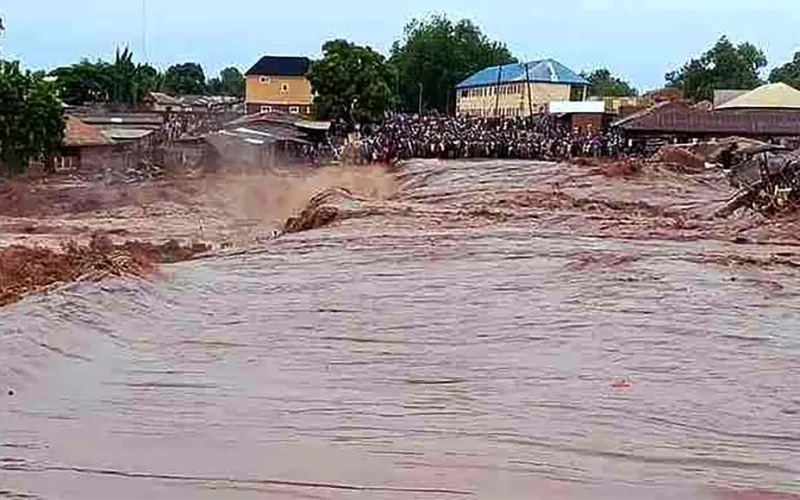
A devastating humanitarian crisis is unfolding in central Nigeria after catastrophic floods killed at least 200 people and displaced more than 3,000 in Mokwa and surrounding communities in Niger State. Survivors are grappling with the immediate aftermath as entire neighbourhoods lie in ruins, families remain missing, and basic necessities are in critically short supply.
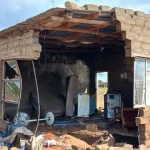
The floods, triggered by relentless rainfall, swept through rural districts late Wednesday, washing away homes, bridges, and roads. In the hardest-hit communities of Tiffin Maza and Anguwan Hausawa, residents describe scenes of chaos and heartbreak. “We lost everything, our families. We have nowhere else to go; everything is gone,” said Mohammed Tanko, who lost 15 relatives in a single night.

Makeshift camps have sprung up along higher ground, but conditions are dire. Displaced families are sleeping in the open, exposed to the elements, with little access to food, clean water, or sanitation. Emergency officials warn that disease outbreaks are a growing risk as stagnant water and overcrowding take hold.
Local and federal emergency agencies are struggling to meet the overwhelming needs. “Entire households were washed away. People are in desperate need of shelter, food, and medical care,” said Abdullahi Baba-Arah, head of the Niger State Emergency Management Agency. Only 11 people have been rescued alive so far, and dozens remain unaccounted for as search teams continue their grim work.
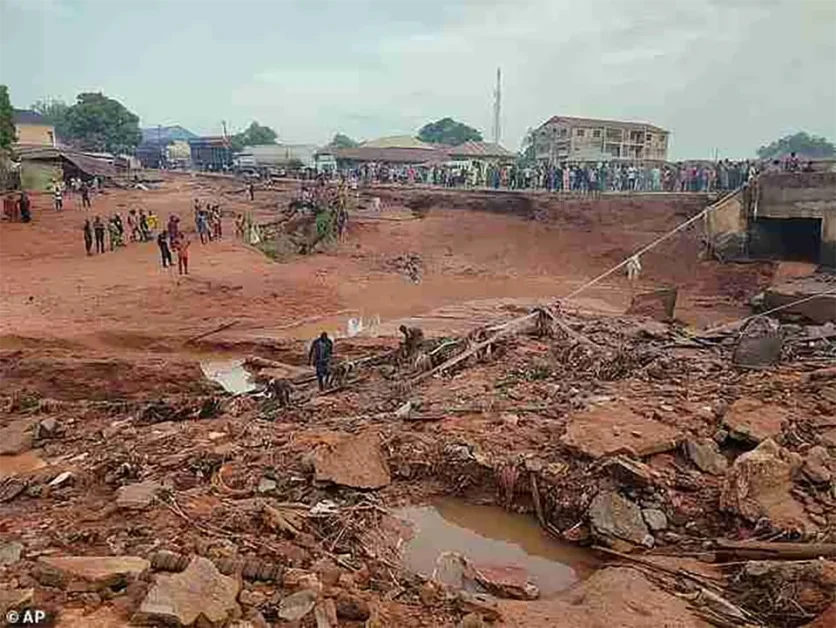
The destruction of two bridges and major roads has cut off vital supply routes, hampering the delivery of aid and raising fears of food shortages in the days ahead. With more than 265 houses destroyed and 503 households affected, the demand for relief far exceeds current resources.
For survivors, the trauma is compounded by the loss of loved ones and livelihoods. “I don’t have a house to sleep in. My house has already collapsed,” said Danjuma Shaba, a fisherman now living in a makeshift shelter. Many are mourning relatives still missing, while others search for any belongings that might have survived the floodwaters.
President Bola Tinubu has ordered the immediate activation of national emergency response efforts, but the scale of the disaster is testing Nigeria’s capacity to respond. As the rainy season intensifies, officials warn that more communities could face similar devastation.
Humanitarian agencies are calling for urgent international assistance to prevent further loss of life and to provide food, water, shelter, and medical care to those affected. The Northern Governors’ Forum has described the crisis as a “national tragedy,” urging coordinated action to address both the immediate needs and the long-term challenges posed by climate change and inadequate infrastructure.
As the waters recede, thousands remain stranded – hungry, homeless, and uncertain about what the future holds. The scale of suffering in Mokwa is a stark reminder of the vulnerability of Nigeria’s rural communities and the urgent need for sustained humanitarian support.