IN the corridors of power in Malabo, Equatorial Guinea’s capital, Baltasar Ebang Engonga was a man who seemed to have it all. Handsome enough to earn the nickname “Bello,” he commanded respect as Director General of the National Financial Investigation Agency (ANIF) – the very institution tasked with hunting down corruption in the oil-rich nation. By day, he was the face of financial integrity; by night, he was building a secret empire of conquest and control that would ultimately destroy him.
The Secret Archive
What investigators discovered in Engonga’s office would shock a nation and reverberate across international headlines. Hidden within his computers and digital devices lay over 400 sex tapes – a vast, meticulously catalogued archive of intimate encounters spanning years. These weren’t random recordings; they represented a systematic pattern of seduction and documentation that reached into the highest echelons of Equatorial Guinea’s political elite.
The videos revealed Engonga’s stunning audacity. He had filmed intimate encounters with the wives of cabinet ministers, the sisters of high-ranking officials, and relatives of the country’s most powerful families. His office became a stage for these encounters, transforming the seat of anti-corruption authority into a theatre of personal corruption. Hotels, restrooms, government buildings – no location was sacred in his relentless pursuit.
The Web of Power and Betrayal
“Bello” understood power in ways that went far beyond official titles. Each recording represented not just personal gratification, but potential leverage over the nation’s elite. He held in his digital vaults the power to destroy marriages, end careers, and topple political dynasties. In a country where family connections determine political survival, Engonga had assembled the ultimate insurance policy – or so he thought.
The women in his videos came from every level of society, but many shared one crucial characteristic: they were connected to men who mattered. Wives seeking excitement, sisters seeking advancement, relatives navigating the complex web of patronage that defines African politics – all found themselves drawn into Engonga’s carefully constructed web.
The Hunter Becomes the Hunted
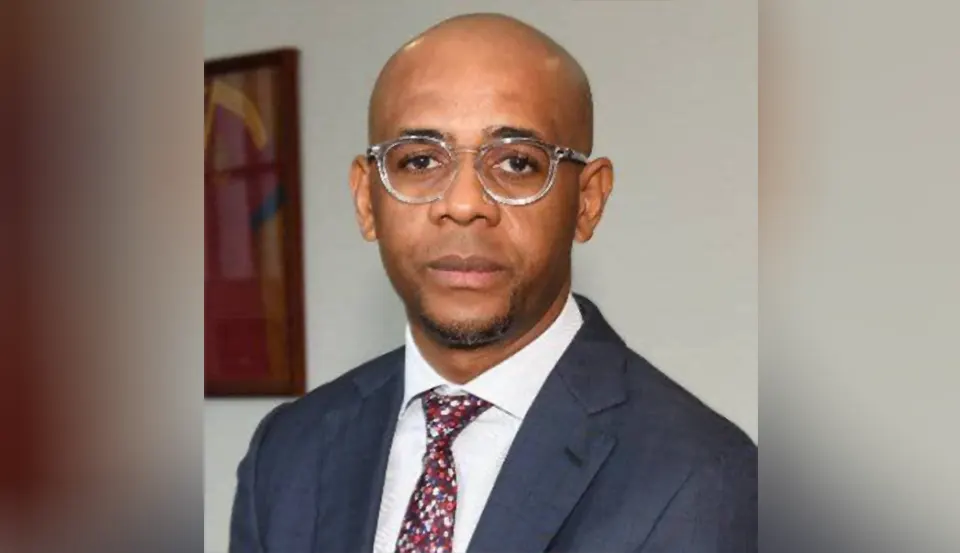
Irony has a way of asserting itself in the corridors of power. The man whose job it was to investigate financial crimes had been living a double life of spectacular corruption. While publicly crusading against embezzlement, Engonga was systematically looting state coffers, diverting hundreds of thousands of dollars meant for professional travel into his personal accounts, some hidden as far away as the Cayman Islands.
When investigators finally breached his defences, they found a man who had transformed public service into personal empire-building. The same meticulous nature that had allowed him to catalogue 400 intimate encounters had led him to document his financial crimes with damning precision.
The Digital Apocalypse
The discovery of the sex tapes during the corruption investigation created a perfect storm of scandal. In an age where digital content spreads like wildfire, the videos exploded across social media platforms – WhatsApp, Telegram, Facebook, Instagram, TikTok, and X became unwilling distributors of Engonga’s secret archive.
Suddenly, the private shame of hundreds of families became a public spectacle. Wives were confronted with evidence of their betrayals. Husbands discovered their most trusted colleagues had systematically targeted their marriages. Children learned of their mothers’ and sisters’ intimate secrets through viral social media posts.
The government scrambled to contain the digital wildfire, ordering platforms to remove content and threatening legal action against those sharing the videos. But the internet had already rendered their efforts futile – the Sex King of Malabo had lost control of his kingdom.
The Reckoning
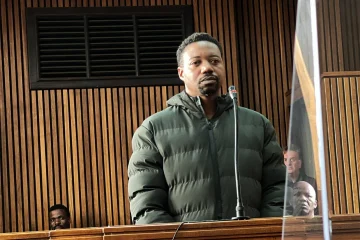
The courtroom where Engonga faced judgment became a theater of national catharsis. The man who had once investigated others for corruption now stood accused of embezzlement, illicit enrichment, and abuse of power. The prosecutors sought 18 years in prison and fines exceeding $1.5 million – a figure that seemed almost modest given the scale of his betrayals.
When the eight-year sentence was announced, along with fines of $220,000 and a permanent ban from public office, it marked more than just legal justice. It represented the fall of a man who had wielded intimate secrets as weapons and treated public trust as personal property.
The Aftermath and Legacy
The scandal exposed more than one man’s corruption – it revealed the deep pathologies of power in a nation where personal relationships and political authority intertwine in dangerous ways. The government’s response, including plans to install surveillance cameras in offices to prevent future misconduct, highlighted how deeply the scandal had shaken public confidence.
For the women caught in Engonga’s web, the aftermath brought a complex mix of humiliation and liberation. Some had consented to being filmed but never to public exposure. Others found themselves inadvertent symbols in a broader conversation about consent, privacy, and the abuse of power.
The Fall of a King
Baltasar Ebang Engonga’s story is ultimately one of hubris and inevitable justice. The man who thought he could build a kingdom on secrets and corruption discovered that in the digital age, no archive remains private forever. His meticulous documentation, meant to provide insurance against his enemies, became the very evidence that destroyed him.
The Sex King of Malabo fell not because he was caught in a single moment of weakness, but because he had systematically transformed his position of public trust into an engine of personal gratification and financial enrichment. His legacy serves as a stark reminder that in politics, as in physics, what goes up must eventually come down – and the higher the rise, the more spectacular the fall.
Today, as Engonga serves his sentence in the notorious Black Beach prison, his story continues to reverberate through Equatorial Guinea’s political landscape. The man who once held the secrets of the nation’s elite now serves as a cautionary tale about the ultimate price of believing oneself above the law, beyond accountability, and immune to the consequences of absolute corruption.