UGANDA, once hailed as a beacon of stability in East Africa, now faces extraordinary developments that starkly expose the fragility of its democratic institutions. The recent abduction and torture of Eddie Mutwe, chief bodyguard to opposition leader Bobi Wine, and the chilling public boasts by the president’s son, General Muhoozi Kainerugaba, of holding Mutwe captive in his basement, have sent shockwaves through Ugandan society and the international community.
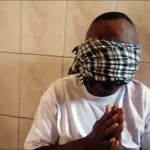
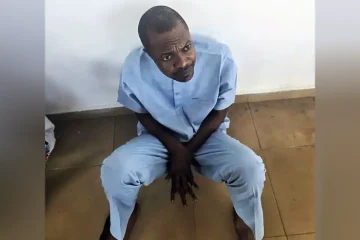
Mutwe’s ordeal began on April 27, when he was seized by armed men near Kampala. For days, his whereabouts were unknown. Then, in a series of incendiary posts on X, General Kainerugaba, who is also the Chief of Defence Forces and widely seen as being groomed to succeed his father, President Yoweri Museveni-claimed responsibility for Mutwe’s capture, posting a photograph of the visibly distressed activist and threatening further violence against opposition figures. He openly declared, “He is in my basement … You are next!” and made further threats of physical harm.
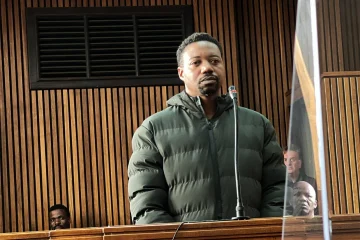
When Mutwe finally appeared in court, he was “visibly weak and showing signs of having been tortured,” according to Uganda’s Justice Minister Norbert Mao. Mutwe’s lawyer reported that his client had been tortured daily and electrocuted while being held in a private home’s basement by masked captors. The Uganda Law Society condemned the abduction and torture, describing Mutwe’s incommunicado detention as a blatant violation of constitutional and international human rights norms.
This is not an isolated incident. Human rights organisations and the Uganda Law Society have documented a systematic campaign of arbitrary arrests, enforced disappearances, and torture targeting government critics, opposition supporters, and peaceful protesters-especially around election periods. The Uganda Human Rights Commission and international observers have repeatedly raised concerns about persistent torture, illegal detentions, and attacks on journalists and activists.

The involvement of top military officials, including the president’s son, underscores a dangerous fusion of military power and political oppression. The Uganda Law Society warns that such actions threaten the rule of law and the country’s already shrinking democratic space ahead of the 2026 elections.
These developments reveal deepening authoritarianism in Uganda. President Museveni, in power since 1986, is expected to seek re-election next January. The grooming of his son for succession, combined with the use of security forces to intimidate and silence opposition, raises fears of a dynastic transfer of power and the further erosion of democratic norms7.
The implications are profound:
- Rule of Law Undermined: The use of abductions, torture, and military courts against political opponents makes a mockery of Uganda’s judicial processes and constitutional guarantees.
- Chilling Effect on Dissent: The targeting of high-profile opposition figures like Bobi Wine and his associates is intended to instil fear and suppress political activism, especially among the youth.
- Regional Stability at Risk: Uganda’s instability could have ripple effects across East Africa, particularly as opposition leaders are abducted even from neighbouring countries, as seen in the case of Kizza Besigye.
- International Credibility Damaged: Calls for impartial international investigations and targeted diplomatic pressure are growing, as Uganda’s government faces mounting criticism for its human rights record.
A Nation at a Crossroads
Uganda’s current trajectory is a stark warning of how quickly democratic institutions can be hollowed out when power becomes concentrated in the hands of a few. The open admission by a senior military leader of holding an opposition activist captive-and the subsequent evidence of torture, marks a new low in Uganda’s political crisis.

As the 2026 elections approach, the world will be watching whether Uganda can reverse this descent or whether it will cement its status as a state where dissent is met not with debate but with abduction and brutality. The fate of Eddie Mutwe is a litmus test for the future of democracy in Uganda- and for the values the nation claims to uphold.
The Ugandan public’s response to recent incidents of political abduction, torture, and repression has been complex and marked by both fear and resistance, shaped by a broader context of government crackdowns on dissent.
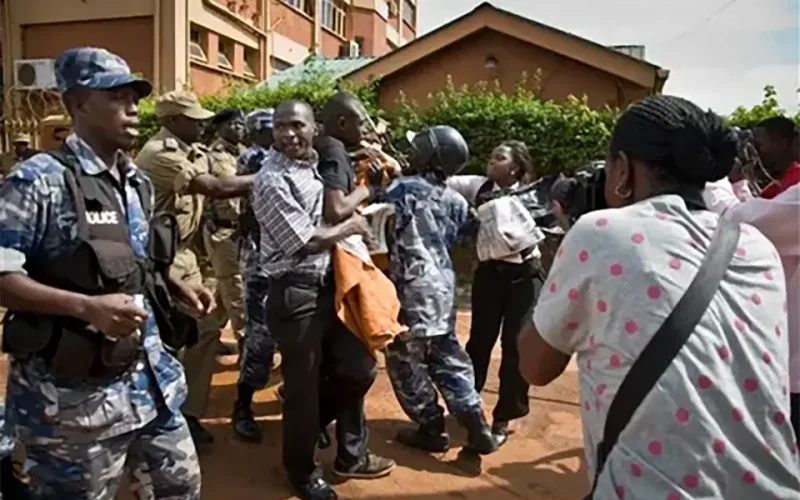
- Public Outrage and Opposition Mobilisation: Many Ugandans, particularly supporters of opposition parties like the National Unity Platform (NUP), have expressed outrage over the abduction and torture of Eddie Mutwe and other opposition figures. These incidents have galvanised opposition activists and some segments of civil society to protest against government abuses, despite the risks of arrest and violence. The arrest of female opposition MPs protesting police brutality and the detention of activists during demonstrations reflect ongoing public efforts to resist repression.
- Fear and Intimidation: At the same time, widespread fear permeates the population due to the government’s use of security forces to intimidate and silence dissent. The involvement of high-ranking military officials, including President Museveni’s son, in these abuses exacerbates the climate of fear, leading many citizens to self-censor or avoid public criticism of the regime.
- Limited Media and Civil Society Space: The shrinking space for free media and civil society further limits public awareness and organised response. Government restrictions on journalists and NGOs curtail the flow of information and hamper coordinated public action.
- Calls for Justice and Rule of Law: Some segments of the public and opposition-aligned officials, such as Justice Minister Norbert Mao, have called for swift judicial action and respect for human rights, signalling that parts of the Ugandan society still demand accountability and democratic norms despite repression.

In summary, the Ugandan public response is a mixture of courageous resistance by opposition supporters and civil society actors, tempered by widespread fear and repression that constrain open dissent. The situation remains tense as the country approaches the 2026 elections, with many watching closely whether public pressure can influence the government’s authoritarian trajectory.
The media in Uganda play a critical but highly constrained role in exposing human rights abuses. Despite constitutional guarantees of freedom of expression, independent journalism faces severe government repression, especially when covering politically sensitive issues such as human rights violations.

Key roles played by the media:
- Reporting Human Rights Violations: Ugandan media outlets, including newspapers, radio, and television, actively report on cases of torture, illegal detentions, police brutality, and other abuses. They also sensitise the public about their rights and direct victims to institutions like the Uganda Human Rights Commission for redress.
- Raising Public Awareness and Accountability: Investigative journalism has historically helped expose corruption and abuses by public officials, generating public pressure for accountability and judicial action.
- Documenting Abuses in Conflict and Political Contexts: The media has covered politically motivated arrests, harassment of opposition figures, and abuses during election periods, providing critical information to both domestic and international audiences.
Challenges and constraints:
- Government Harassment and Intimidation: Journalists face threats, physical violence, arbitrary arrests, and criminal charges such as sedition or incitement. Media houses have been ordered to apologise for hosting opposition voices, and journalists are often prevented from reporting freely outside Kampala.
- Legal and Regulatory Suppression: Uganda’s government uses repressive laws and regulatory bodies with broad powers to revoke licenses, censor content, and intimidate media practitioners, creating a “minefield” for independent reporting.
- Self-Censorship: Due to fear of reprisals, many journalists practice self-censorship, limiting the scope and depth of human rights reporting.
Implications:
While the media remains one of the few avenues for exposing human rights abuses in Uganda, its effectiveness is severely undermined by state repression. This environment restricts the media’s watchdog role, impeding transparency and the promotion of democratic accountability. Strengthening media freedom and protecting journalists are essential for Uganda’s progress toward upholding human rights and the rule of law.