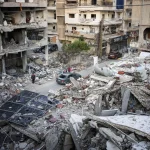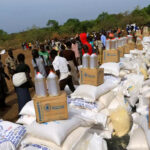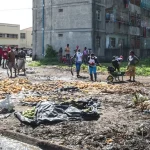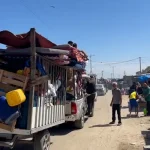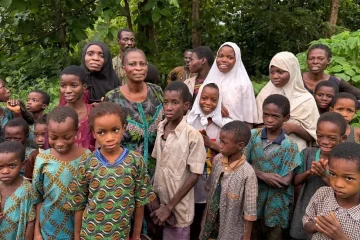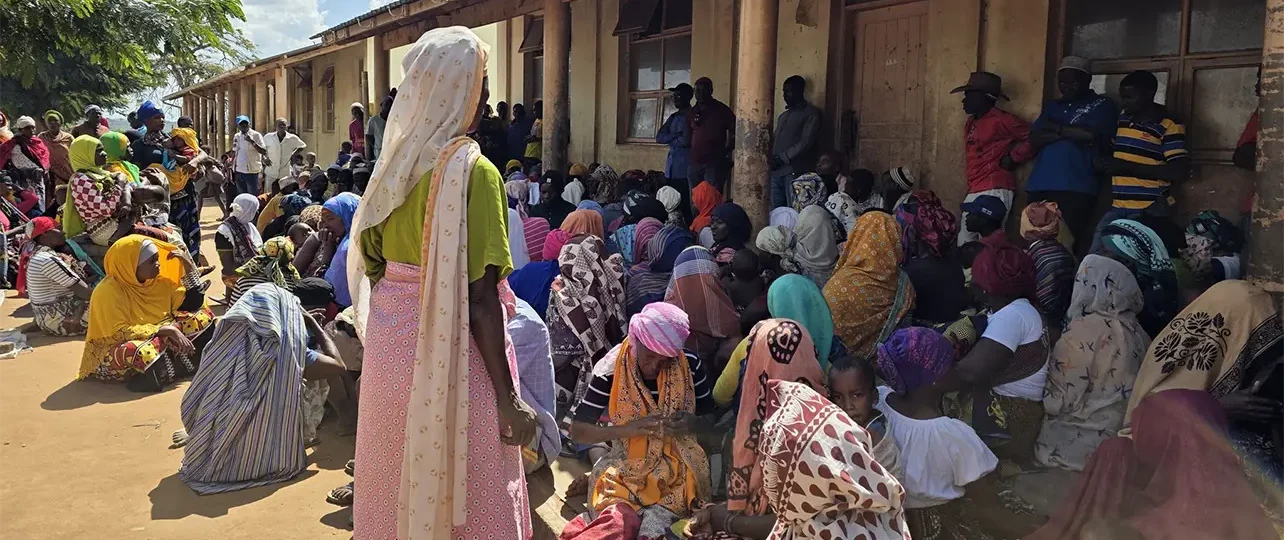

NEARLY 22,000 people fled their homes in northern Mozambique in a single week as violence surged in a conflict now entering its eighth year, the UN Refugee Agency has warned.
The dramatic escalation marks a dangerous turning point in a crisis that has already displaced more than 1.3 million people since 2017, with over 100,000 forced to flee so far this year alone.
“After years of uncertainty, families are reaching their limit as some stay despite the danger and others flee again with little hope of return,” Xavier Creach, UNHCR’s Mozambique Representative, told journalists at a press briefing in Geneva.
For the first time since the conflict began, all 17 districts of Cabo Delgado province — the epicentre of the violence — have been directly affected by simultaneous attacks that have spread fear and instability across the region.
“Many of those displaced in recent days were once hosts who had opened their homes to others, and now find themselves uprooted and in need,” Creach said.
Civilians Targeted Amid Rising Brutality
The humanitarian situation has deteriorated sharply in 2025, with civilians increasingly caught in the crossfire. By the end of August, more than 500 security incidents affecting civilians had been recorded — surpassing the 435 incidents reported in 2022, previously considered one of the most intense periods of the conflict.
“Civilians continue to be targeted amid reports of killings, abductions and sexual violence,” Creach said. “Children are among those most affected, with accounts of forced recruitment and deliberate attacks by non-state armed groups.”
Women and girls face particular dangers when collecting water or firewood far from displacement sites, exposing them to domestic and sexual violence. Elderly people and those with disabilities have struggled to escape during attacks, with some left behind entirely.
“Many of those displaced experience deep psychological distress and urgently need psychosocial support,” Creach added.
Climate Shocks Compound Crisis
The violence is only part of the crisis gripping northern Mozambique. Families are also contending with repeated cyclones, floods and prolonged drought that have destroyed livelihoods, driven up food prices and left basic services scarce.
“The compounding impacts of conflict and climate-related shocks have created a cycle of vulnerability that is increasingly difficult to break,” Creach said, describing the situation as “one of the most complex humanitarian situations in the region.”
Aid Efforts Severely Underfunded
Despite ongoing efforts by UNHCR and partners to support displaced populations and host communities, the response remains critically underfunded. The agency has received only $66 million of the $352 million required this year — less than 19% of what is needed.
UNHCR has established help desks to identify individuals with specific needs, provide counselling and mental health support, distribute dignity kits and mobility devices, and assist families in replacing lost civil documents. But the funding gap leaves the agency’s capacity stretched just as needs surge.
“Eight years on, the recent surge in violence is a stark reminder that the crisis in northern Mozambique is far from over,” Creach said. “Thousands of families have been displaced for years, rebuilding homes only to lose them again.”
The UN agency is calling on the international community to renew its support for Mozambique, emphasising that protecting civilians, restoring access to essential services and investing in long-term solutions are urgently needed to prevent further suffering.