
THE crisis of South African citizens trapped in the Russia-Ukraine war has detonated a spectacular family civil war at the apex of South African politics, with former President Jacob Zuma’s eldest daughter filing criminal charges against her younger sister – a sitting member of Parliament – accusing her of human trafficking, fraud, and illegally recruiting South African men, including their own family members, to fight as mercenaries in Ukraine.
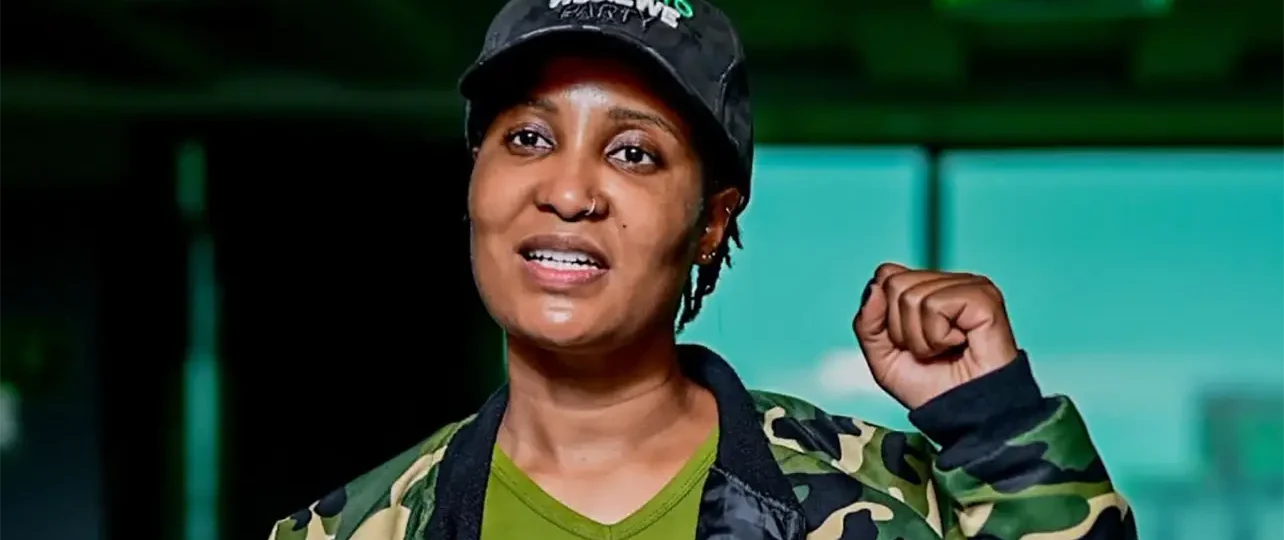
In a devastating statement, Nkosazana Bonganini Zuma-Mncube announced she had opened a criminal case at Sandton Police Station on November 22, 2025, naming three individuals she believes orchestrated the recruitment scheme: Duduzile Zuma-Sambudla (her sister and a Member of Parliament representing the uMkhonto weSizwe Party), Siphokazi Xuma, and Blessing Khoza.
The allegations are explosive: Among the 17 South African men now trapped in the Donbas war zone, eight are Zuma family members. The eldest Zuma daughter’s statement indicates these men—her own relatives—were “lured to Russia under false pretences and handed to a Russian mercenary group to fight in the Ukraine war without their knowledge and consent.”
The Legal Charges: Trafficking, Mercenary Recruitment, and Fraud
Zuma-Mncube’s criminal complaint invokes three of South Africa’s most serious statutes:
The Prevention and Combating of Trafficking in Persons Act: This law, designed to combat human trafficking and modern slavery, criminalises the recruitment, transportation, and exploitation of persons through deception or coercion. Applying this statute to mercenary recruitment is legally innovative but potentially devastating – it reframes the recruits not as willing combatants but as trafficked victims, exploited for the profit of criminal networks.
The Regulation of Foreign Military Assistance Act of 1998: This legislation explicitly prohibits South African citizens from participating in armed conflicts abroad without government authorisation. It was designed during South Africa’s transition from apartheid to prevent the country’s citizens from serving as guns-for-hire in Africa’s numerous conflicts. Violation carries severe criminal penalties, including imprisonment.
Common Law Fraud: The most straightforward charge – that the accused made false representations to induce the recruits to travel to Russia, knowing those representations were untrue and intending to benefit from the deception.
The combination of charges suggests prosecutors could pursue multiple legal theories simultaneously, increasing the likelihood of conviction even if some charges fail. It also indicates the recruitment operation involved systematic deception at multiple stages: false promises of employment type, concealment of the true destination and purpose, and fraudulent misrepresentation of compensation and working conditions.
Duduzile Zuma-Sambudla: From alleged X (Twitter) Provocateur to Human Trafficking Accused
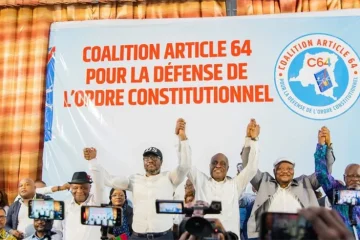
The naming of Zuma-Sambudla transforms this from a humanitarian crisis into a political earthquake. As a sitting Member of Parliament representing the uMkhonto weSizwe (MK) Party – the political vehicle founded and led by her father, former President Jacob Zuma – her alleged involvement implicates not just individuals but potentially the party structure itself.
Zuma-Sambudla is no stranger to serious criminal allegations. She is currently facing charges of inciting violence connected to the catastrophic July 2021 riots in KwaZulu-Natal and Gauteng provinces. Those riots, ostensibly sparked by Jacob Zuma’s imprisonment for contempt of court, resulted in widespread looting, destruction of property, and more than 350 deaths – the worst civil unrest in post-apartheid South African history.
During those riots, Zuma-Sambudla gained notoriety for social media posts that prosecutors allege encouraged and celebrated the violence. Her Twitter activity during the unrest included posting locations of unguarded shopping centres and celebrating the chaos, leading to charges of incitement that remain pending.
Now accused by her own sister of human trafficking and illegal mercenary recruitment, Duduzile faces potential criminal exposure on multiple fronts. If convicted on the Ukraine-related charges, she could face lengthy imprisonment and automatic disqualification from Parliament.
The political implications are seismic. The MK Party, which performed surprisingly well in the 2024 elections by positioning itself as the authentic inheritor of the ANC’s liberation legacy, now faces devastating questions: Was the party structure used to facilitate illegal recruitment? Did Duduzile exploit her parliamentary position and family name to lend legitimacy to the scheme? How much did Jacob Zuma know?
Eight Family Members: The Personal Becomes Political
The revelation that eight Zuma family members are among the 17 trapped men fundamentally changes the crisis’s character. This is not simply a story of economic desperation driving strangers into foreign conflicts – it suggests recruitment targeted the extended Zuma family network, exploiting familial trust and the family’s political prominence.
The recruitment pattern raises disturbing questions:
Were family members specifically targeted because of the Zuma name? The family’s association with the liberation struggle and ongoing political prominence could have made relatives particularly susceptible to pitches involving “security work” or “protecting African interests abroad”—the kinds of euphemisms that might mask mercenary recruitment.
Did recruiters exploit internal family dynamics? Large, politically prominent families often include members with varying economic circumstances. Those struggling financially might have been particularly vulnerable to offers from relatives with apparent access to lucrative opportunities.
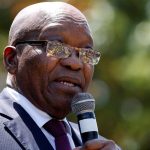
What did Jacob Zuma know and when? The former president has reportedly appealed directly to the Russian government for the men’s release. But did he know his own daughters were allegedly involved in their recruitment? His eldest daughter’s decision to file criminal charges against her sister suggests profound family rupture and potentially that Jacob Zuma himself has sided with Nkosazana against Duduzile—or that he was himself deceived about his daughters’ activities.
The fact that Nkosazana Zuma-Mncube explicitly identifies herself as “firstborn daughter of former President Jacob Zuma” in her statement is significant. In many African cultural contexts, the eldest child carries particular responsibility for family honour and welfare. Her statement reads as an assertion of that responsibility—a declaration that when her younger sister allegedly betrayed family members, the eldest was compelled to act, even at the cost of family unity.
The Recruitment Operation: Scale, Sophistication, and Complicity
The broader recruitment scandal reveals operations of staggering scale and sophistication. More than 1,400 African fighters from over 30 African nations are currently embedded with Russian forces in Ukraine, according to Ukrainian intelligence. Kenya alone has confirmed more than 200 citizens fighting for Russia, with recruitment networks remaining active in both Kenya and Russia.
The methodology demonstrates criminal enterprise characteristics:
False employment promises: Kenyan recruits were offered up to $18,000 covering visas, travel, and accommodation, ostensibly for technical roles including drone assembly, chemical handling, and equipment painting—anything but combat. South African recruits were promised high-paying security jobs and bodyguard training.
Sophisticated logistics: Moving hundreds of recruits from dozens of African countries to Russian military integration points requires complex coordination—travel documentation, transportation, communication networks, and liaison with Russian military structures.
Sustained operations: Despite a September 2024 raid near Nairobi that rescued 21 Kenyans before deployment, Kenya’s Ministry of Foreign Affairs confirms recruitment networks remain active. This indicates organisational resilience and possibly protection from powerful interests.
Exploitation of state weakness: The operation’s success across 30+ countries suggests systematic exploitation of regulatory gaps, corruption vulnerabilities, and intelligence failures across the continent.
If Zuma-Sambudla and her co-accused were indeed central to the South African component of this operation, it suggests the network achieved penetration at the highest levels of South African political society – a sitting MP, daughter of a former president, using party structures and family connections to facilitate what prosecutors now characterize as human trafficking.