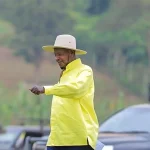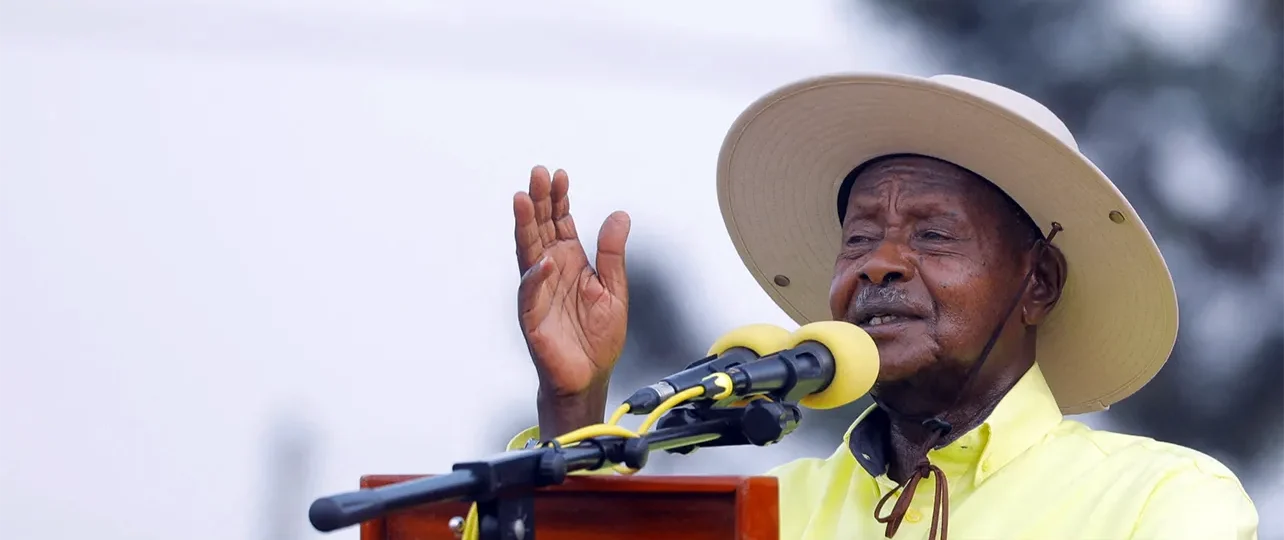

ANOTHER election, another charade. As Yoweri Museveni claims victory once more, the world watches Uganda’s descent into authoritarian permanence.
The script never changes in Uganda – only the faces of those brave enough to resist it.
As Yoweri Museveni begins yet another term as president, extending his grip on power to nearly four decades, the world has witnessed not an election but a carefully choreographed performance of democratic theatre. The outcome was never in doubt. The process was never legitimate. And the cost, as always, is borne by ordinary Ugandans whose voices are crushed beneath the machinery of state-sponsored repression.
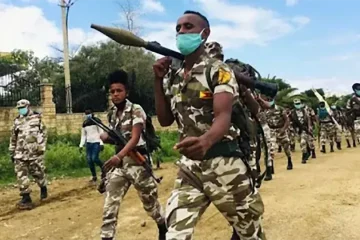
There is a grim rhythm to Ugandan electoral cycles that has become as reliable as the changing seasons. First comes the announcement – the date set, the stage prepared. Then the escalation: as campaign season intensifies, so does the violence. Military and police forces, ostensibly servants of the public, transform into instruments of terror against citizens whose only crime is supporting a candidate not anointed by the regime.
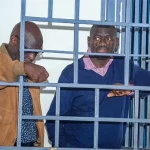
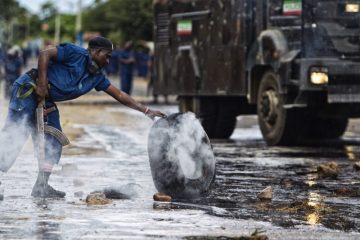
Opposition figures face detention, torture, and intimidation. Their supporters are beaten in the streets. Their rallies are dispersed with tear gas and bullets. This is not democracy under stress; it is authoritarianism without pretence.
Then comes the digital blackout – the internet severed, communication channels strangled, ensuring that whatever happens on election day occurs in a carefully controlled darkness. The world cannot watch what it cannot see.
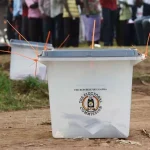
But in 2025, darkness is harder to maintain. Video footage has emerged showing electoral commission officials systematically marking ballots for Museveni at polling stations. Not in hidden backrooms, but openly, brazenly, as though the act itself carries no consequence because, in Museveni’s Uganda, it doesn’t. The evidence is clear, damning, and ultimately irrelevant to those who control the levers of power.
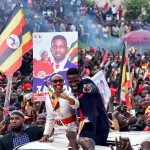
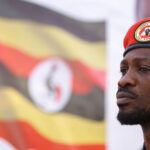
Opposition leader Bobi Wine, whose National Unity Platform represents the aspirations of millions of young Ugandans desperate for change, has called this what it is: theft. His supporters documented irregularities across the country, but many of those same agents and officials were arrested or disappeared before they could protect the votes they had worked to secure.
This was not an election. It was a protest vote against a system that has ceased even pretending to represent the will of the people.
The International Silence – and worse
What makes Uganda’s democratic collapse particularly painful is not merely the muted response from the international community, but the active endorsement of the charade by institutions that should know better.
The African Union, through its Commission Chairperson Moussa Faki Mahamat, released a statement that reads like satire but is delivered with complete sincerity: commending “the conduct of elections in Uganda” and congratulating Museveni on his re-election with 71.61% of the vote. The AU praised Ugandans for “their commitment to consolidating democratic gains” while reiterating the organisation’s commitment to “promote democracy and effective governance in the continent.”
This is institutional gaslighting of the highest order.
The same African Union that expressed reservations about Tanzania’s 2020 elections – where irregularities were reported but on a far less spectacular scale – has enthusiastically embraced Uganda’s electoral theatre, complete with video evidence of ballot-stuffing, internet shutdowns, opposition arrests, and systematic voter intimidation. The difference in response is not about democratic standards but about political calculations.
Former Nigerian President Goodluck Jonathan led the AU observer mission, and his “sterling leadership” apparently concluded that elections featuring pre-marked ballots, detained opposition agents, and a communications blackout represent a model worthy of continental applause. One wonders what circumstances would fail to meet the AU’s standards for commendation.
This is the bitter reality of African governance institutions: they exist not to hold leaders accountable but to provide them with legitimacy. The AU has become an autocrats’ club where members validate each other’s grip on power, speaking the language of democracy while systematically undermining its practice.
Meanwhile, Western powers maintain their strategic silence. Museveni has been a cooperative ally on regional security and counterterrorism for decades, his usefulness to foreign powers apparently worth more than the freedom of 45 million Ugandans. The statements of concern will come—carefully worded, diplomatically ambiguous, ultimately toothless. Sanctions, if they materialise at all, will target individuals while leaving the regime’s infrastructure intact. Aid will continue to flow.
For ordinary Ugandans, particularly the country’s youth who have never known another leader, the situation is both familiar and unbearable. More than 75 percent of Uganda’s population is under 30 years old. They have grown up under Museveni’s rule, watching their country’s potential squandered, their opportunities limited, their voices systematically silenced.
Bobi Wine’s call for Ugandans to reclaim their voice is not merely political rhetoric—it is a recognition that traditional democratic channels have been completely sealed off. When ballot boxes are stuffed before voters arrive, when evidence of fraud is dismissed by compromised courts, when speaking truth becomes grounds for arrest, what recourse remains?
Uganda’s tragedy is not unique on the continent. From Paul Biya in Cameroon to Teodoro Obiang in Equatorial Guinea, Africa remains home to leaders who have transformed presidencies into de facto monarchies. They have mastered the art of electoral theatre—maintaining the appearance of democracy while gutting its substance.
They hold elections but control who can run. They allow opposition parties but criminalise effective opposition. They permit protests but crush them with violence. They sign constitutions but amend them when limits become inconvenient. Museveni himself removed presidential age limits in 2017 when he faced the prospect of mandatory retirement.
This is governance by endurance, power maintained not through popular legitimacy but through the systematic elimination of alternatives.
What Comes Next
The immediate future for Uganda looks bleak. Those who documented electoral fraud face arrest. Those who speak too loudly about stolen democracy risk detention or worse. The international community will move on to the next crisis, and Museveni will consolidate his position once more.
But beneath the surface, something is shifting. Uganda’s youth are increasingly unwilling to accept the status quo that their parents endured. Social media, despite periodic shutdowns, has created new spaces for organisation and resistance. The evidence being compiled—videos, testimonies, documentation of abuses—builds a record that will outlast any single regime.
Change in Uganda may not come through ballot boxes. The regime has made certain of that. But it will come, because systems built on repression and fraud carry within them the seeds of their own destruction. The question is not whether Museveni’s rule will end, but how much suffering Ugandans will endure before it does.
The Moral Reckoning
For those of us watching from outside, Uganda’s stolen election poses uncomfortable questions about our own complicity. How many times must we witness the same theatrical production before we refuse to applaud? How many videos of ballot-stuffing must emerge before we stop calling these events “elections”?
The people of Uganda deserve more than our sympathy. They deserve a democracy worthy of the name, leadership that serves rather than subjugates, and a future where power transfers peacefully rather than being seized and hoarded indefinitely.
Until then, the horror movie continues. Same script, same ending, same victims. And the world, having seen it all before, changes the channel and moves on.
But Ugandans cannot move on. They must live in the country this system has created—a place where voting is permitted but choice is not, where democracy exists in name but not in practice, where speaking truth is an act of courage that may cost everything.
This is Museveni’s Uganda. And for now, there seems to be no end in sight.