
TALKS are underway to consolidate Africa’s oil-producing efforts in a bid to rid the continent of its reliance on Western countries for oil. Nigeria has initiated what could lead to a historic cooperation and pact among oil-producing countries across Africa, potentially changing the fortunes of oil producers continent-wide. This major step towards securing Africa’s oil independence is exemplified by recent developments with Nigeria’s Dangote refinery.
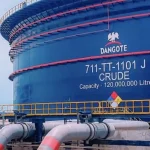
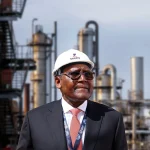
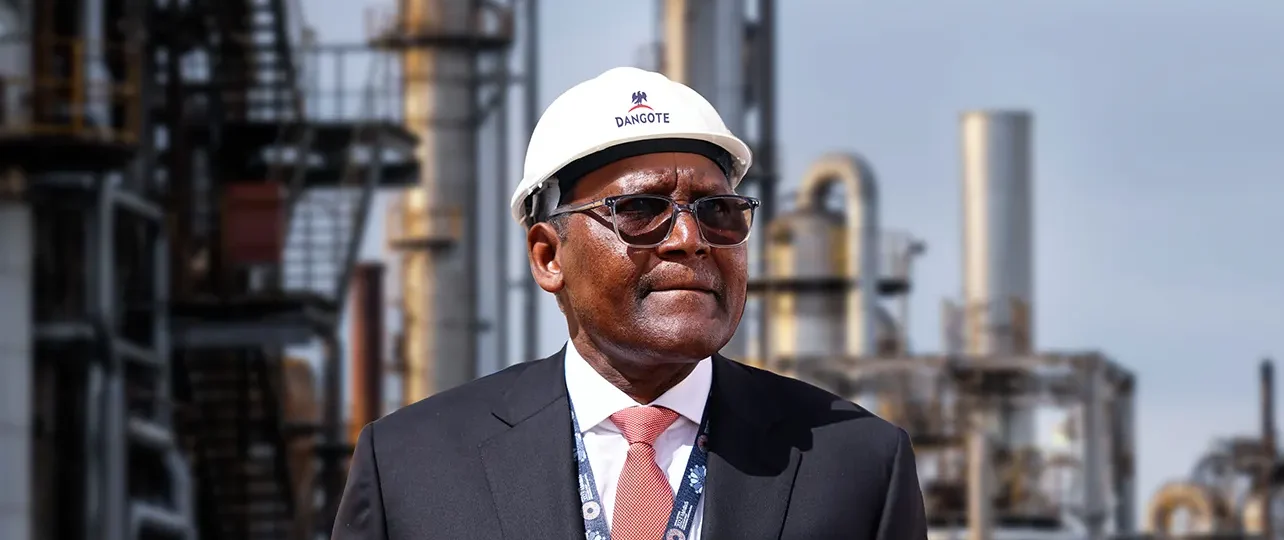
The $20 billion Dangote refinery, Africa’s largest with a capacity of 650,000 barrels per day (bpd), is actively seeking crude oil supplies from other African nations. Built by Africa’s richest man, Aliko Dangote, on the outskirts of Lagos, the refinery was designed to end Nigeria’s dependence on imported fuels due to insufficient domestic refining capacity.
Devakumar Edwin, a senior executive at Dangote refinery, revealed that the company is in talks with Libya to secure crude oil supplies and plans to approach Angola as well. This move comes as the refinery faces challenges in obtaining adequate crude supplies within Nigeria, despite the country being Africa’s biggest oil producer. Nigeria’s oil industry struggles with theft, pipeline vandalism, and low investment.
Since beginning operations in January, Dangote has had to resort to importing crude from as far as Brazil and the United States. The refinery’s efforts to source oil from other African countries could potentially lead to a more interconnected and self-reliant African oil market.
The refinery’s impact is already being felt in international markets. Major global traders and oil companies, including Trafigura, Vitol, BP, and TotalEnergies, are among the biggest buyers of Dangote’s gasoil, much of which is being exported. Traders and shipping data indicate that Dangote is increasing gasoil exports to West Africa, gaining market share from European refiners.
To manage supplies and product sales, Dangote has established an oil trading arm with staff in London and Lagos. This strategic move enhances the company’s ability to navigate the global oil market.
While facing some regulatory challenges regarding the sulphur content in its gasoil, Aliko Dangote has stated that the levels are within acceptable limits and will continue to improve as production increases.
This initiative by Dangote refinery, coupled with the broader talks of pan-African oil cooperation, represents a significant step towards Africa’s energy independence and could reshape the continent’s oil industry landscape.