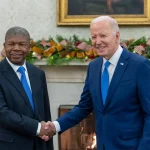
IN the heart of central Africa, where hope has become a fragile commodity, diplomacy has once again faltered, leaving millions in the crosshairs of an unrelenting conflict. The carefully orchestrated peace talks between Rwanda and the Democratic Republic of Congo, brokered by Angola, disintegrated before they could even begin – a stark reminder of the deep-rooted tensions that continue to plague this war-weary region.
What was meant to be a landmark meeting between two nation’s leaders has instead become another chapter in a tragic narrative of missed opportunities and persistent hostility. The cancellation sends a chilling message: peace remains an elusive dream for over 1.9 million displaced people who have been caught in the merciless grip of the M23 rebel insurgency.
The breakdown hinges on a familiar impasse. Rwanda demands direct talks between Congo and the M23 rebels – a condition the DRC flatly rejects. This diplomatic gridlock exposes the intricate web of ethnic, political, and territorial complexities that have long destabilized the Great Lakes region.
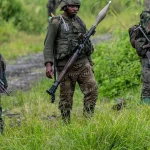
At the core of this conflict lies a haunting historical context. The spectre of two devastating wars between 1996 and 2003 – conflicts that claimed millions of lives – looms large. The current tensions echo those past traumas, with accusations flying between nations: Congo and the United Nations assert that Rwanda is fueling the rebellion by deploying troops and weapons to support M23, while Rwanda maintains it is merely taking defensive measures.
United Nations experts suggest the reality is stark: between 3,000 to 4,000 Rwandan troops are operating in Congo, with what amounts to “de facto control” over M23 operations. This is not mere speculation, but a documented assessment that underscores the region’s volatile dynamics.
The international community’s response has been tepid at best.
The proposed peace plan – which envisioned Rwanda dismantling its “defensive measures” in exchange for Congo eliminating the Hutu rebel group FDLR – now lies in tatters. Each side points an accusatory finger, with Rwanda citing Congo’s alleged recruitment of FDLR militants, and Congo condemning Rwanda’s military involvement.
As diplomatic channels cool and tensions simmer, the human cost continues to mount. Over 1.9 million people remain displaced, their lives suspended in a limbo of uncertainty, their futures held hostage by political brinkmanship and historical grievances.
The Great Lakes region stands at a precipice. Without meaningful intervention, without genuine commitment to dialogue and reconciliation, the cycle of violence threatens to consume another generation. The cancellation of these peace talks is more than a diplomatic setback—it is a profound moral failure that demands urgent, compassionate attention from the global community.
Peace remains not just a possibility, but an absolute necessity. The question is no longer if reconciliation can happen, but whether the leaders of these nations will find the courage to prioritize human life over political posturing.