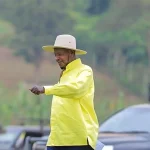
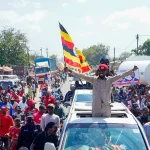
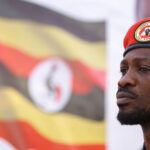
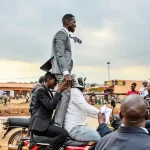
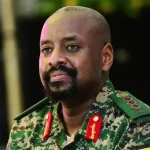
IN the heart of East Africa, where power flows like the mighty Nile, a chilling declaration echoed through the digital corridors of social media. The son of Uganda’s long-reigning president, General Muhoozi Kainerugaba, publicly fantasised about beheading his father’s greatest political rival. This wasn’t just another social media outburst – it was the latest chapter in Uganda’s increasingly dramatic political saga.
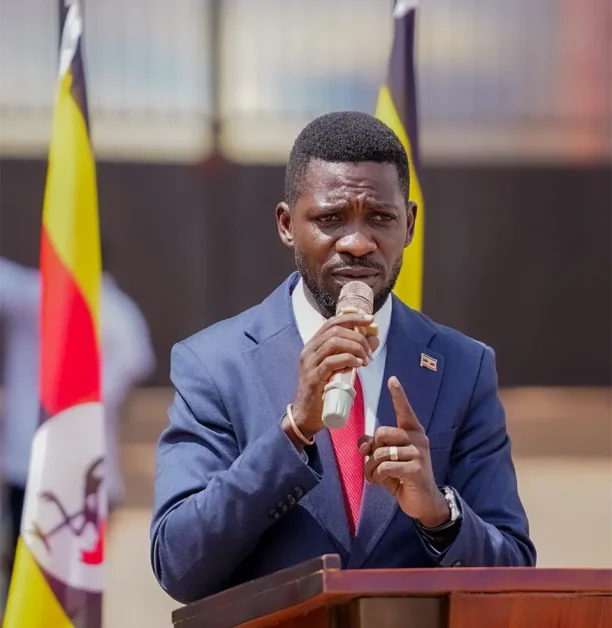
The threat targeted Bobi Wine, the charismatic musician-turned-politician whose real name is Robert Kyagulanyi. Once known for his infectious melodies, Wine now orchestrates a different kind of performance: leading Uganda’s opposition against President Yoweri Museveni’s 38-year reign. In 2021, Wine challenged the presidency itself, finishing second in an election clouded by allegations of fraud and intimidation.
“If Mzee was not there, I would cut off his head today,” declared Kainerugaba on X (Twitter), referring to his father by the respectful title ‘Mzee.’ The statement hung in the digital air like a sword of Damocles, making opposition supporters shudder. This was no ordinary political threat – it came from the commander of Uganda’s military forces, a man many believe is being groomed to inherit his father’s throne.
When Wine responded that he took such threats seriously, citing previous attempts on his life, Kainerugaba’s reply dripped with dark sarcasm: “Finally! I woke you up? Before I behead you, repay us the money we loaned you.” The implication was clear – an accusation that the government had previously attempted to buy Wine’s silence.
This wasn’t Kainerugaba’s first controversial statement. Just a year earlier, he had casually threatened to invade neighbouring Kenya, causing diplomatic tremors across East Africa. While his handlers often dismiss such outbursts as “casual” comments or attempts at irony, they paint a troubling picture of a potential future leader’s mindset.
The drama unfolds against a backdrop of alleged human rights abuses, with activists accusing Museveni’s government of torture and arbitrary detention – charges the government steadfastly denies. Meanwhile, Bobi Wine continues his political performance, transforming from pop star to the voice of Uganda’s opposition, despite the sword that seemingly hangs over his head.
In this modern Ugandan political theatre, three characters stand centre stage: the aging king who has ruled since 1986, his impetuous prince who speaks of beheadings, and the musician who dares to sing of democracy. The question that haunts Uganda’s political future isn’t just about succession – it’s about whether the next act will bring reform or merely a new version of the same old drama.