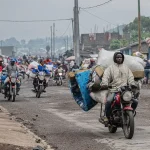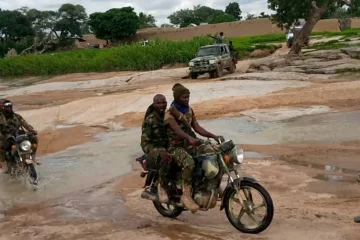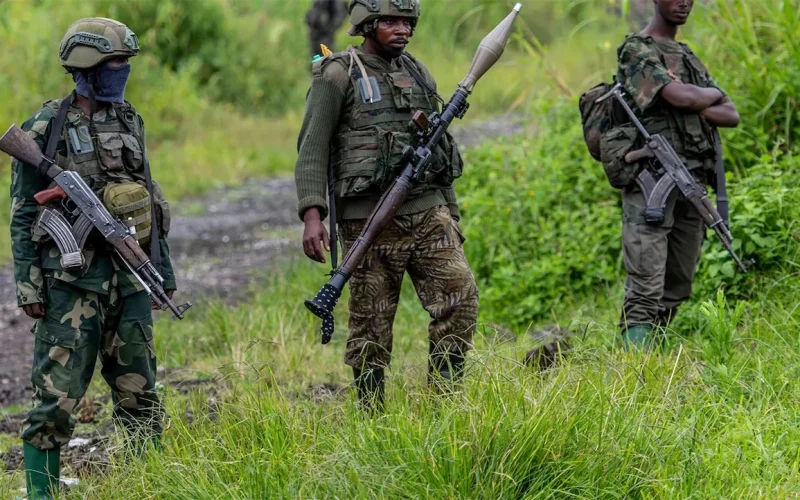
GOMA trembles. The city’s 1 million inhabitants watch in terror as M23 rebels advance, their brutality etched into a landscape of relentless suffering.
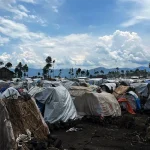
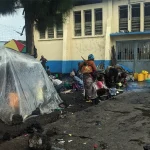
The UN Human Rights Office paints a devastating portrait: M23 has seized Sake, transforming another community into a battleground. In Bweremana, just 50 kilometres from Goma, at least 18 civilians were slaughtered—each life a testament to the conflict’s merciless calculus. Over 400,000 people have been violently displaced in North and South Kivu since this year’s brutal dawn.
“The people in the DRC are exhausted by violence, exhausted by conflict, exhausted by the horrors of their daily life,” UN spokesperson Ravina Shamdasani declares, her words a raw, unvarnished indictment of the region’s sustained trauma.
The potential assault on Goma threatens catastrophic consequences. The UN warns of “heightened exposure to human rights violations,” where civilians stand as the most vulnerable targets in this geopolitical chess game.
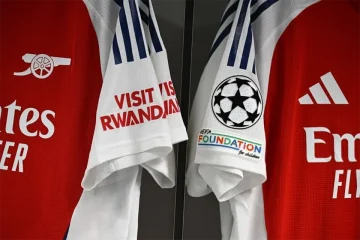
Shamdasani’s appeal is unequivocal: an immediate cessation of hostilities. She demands that all states with influence “impress on [the parties] the urgent need” to stop the bloodshed. Most critically, she calls for an unambiguous message: “Any role played by Rwanda in supporting the M23 – and by any other country supporting armed groups active in the DRC – must end.”
The High Commissioner’s message is clear—international humanitarian law must be more than words. The principles of distinction, precaution, and proportionality must be upheld. Humanitarian access must be guaranteed, safe and unfettered.