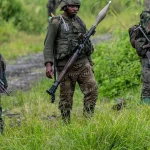
IN the heart of the Democratic Republic of Congo, a humanitarian catastrophe unfolds like a nightmare, with the vibrant city of Goma transformed into a landscape of desperation and survival. Bruno Lemarquis, the UN’s top humanitarian official, stands as a lone sentinel, his voice echoing with urgent desperation as he pleads for the reopening of Goma airport – a lifeline now choked by the merciless grip of the M23 armed group.
The city trembles under the weight of conflict, its streets haunted by the ghosts of hundreds of lives lost and tens of thousands more scattered like autumn leaves in the wind of violence. Checkpoints slice through neighbourhoods like razor-sharp wounds, strangling humanitarian access and leaving up to two million souls teetering on the razor’s edge of survival.
At each checkpoint, at each moment of restricted movement, hope bleeds out. Medical supplies remain trapped, humanitarian workers are caged by invisible barriers, and the most vulnerable – women and girls – bear the most brutal scars of this relentless conflict. Sofia Calltorp’s words ring out like a mournful prophecy: sexual violence has become tragically routine, rights are crushed beneath military boots, and dignity is a luxury few can afford.
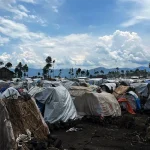
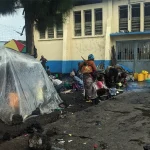
The landscape of Goma is a canvas of destruction. Displacement sites lie abandoned and shattered, water systems bleed dry, and health facilities stand as hollow monuments to collapsed infrastructure. Hospitals overflow with human suffering, while the World Health Organization warns of a potential epidemic storm brewing – cholera, mpox, and measles hovering like carrion birds, waiting to feast on weakened bodies.
“Every hour lost puts more lives at risk,” Lemarquis declares, his words a desperate battle cry against the machinery of conflict. The airport – once a symbol of connection and hope – now stands as a silent testament to the brutal disconnect between human suffering and humanitarian response.
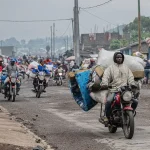
In the neighbouring territories, the human tide continues to surge. In Kalehe, thousands are uprooted, fleeing with nothing but the clothes on their backs, seeking refuge in overcrowded communities and makeshift shelters. The suspension of US humanitarian funding adds another layer of cruelty to this already devastating landscape, threatening to extinguish what little hope remains.
This is more than a crisis. This is a humanitarian inferno, consuming lives, dreams, and futures with ruthless efficiency. And yet, in the midst of this darkness, the human spirit refuses to be completely extinguished – waiting, hoping, surviving.