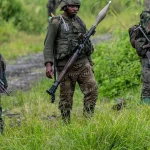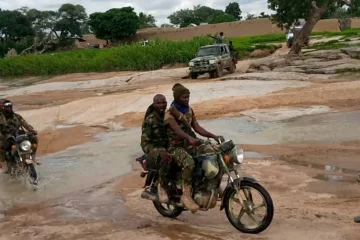

THE hills of eastern Congo, once alive with the laughter of children and the hum of bustling markets, have for years echoed with the thunder of artillery and the anguished cries of families fleeing for their lives. Now, as the Democratic Republic of Congo (DRC) and Rwanda prepare to sign a US-brokered peace agreement, a fragile but powerful hope stirs among the hundreds of thousands whose lives have been upended by relentless conflict.
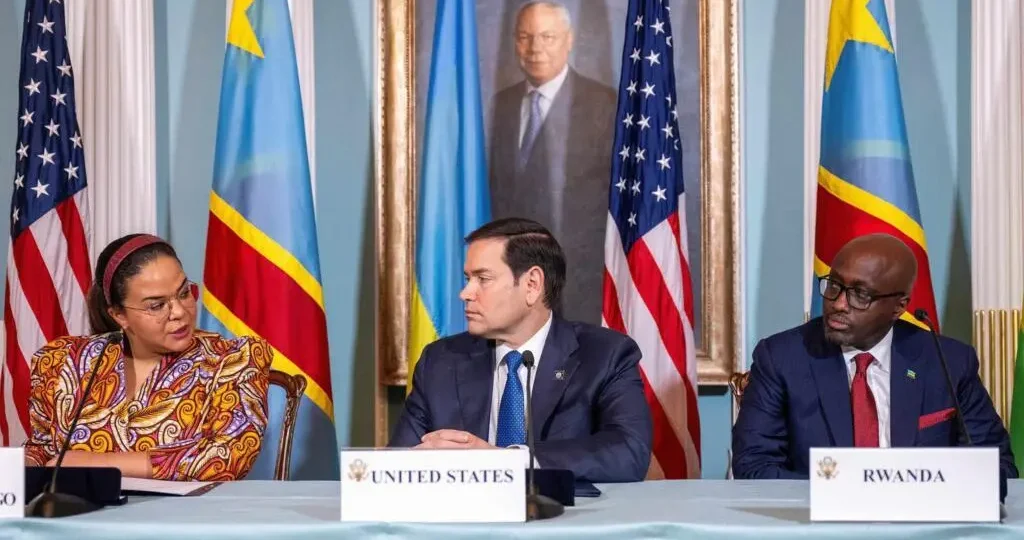
After decades of violence – fuelled by ethnic tensions, the struggle for control over vast mineral riches, and the shadow of old genocides – the technical teams of Rwanda and the DRC have initialed a draft peace accord, set to be formally signed on June 27 in Washington, DC, under the watchful eyes of international mediators. This agreement, painstakingly brokered by the United States, promises not only a ceasefire but a roadmap for disarmament, the reintegration of non-state armed groups, and the return of refugees and internally displaced people to their shattered communities.
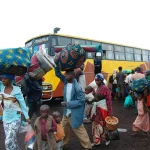
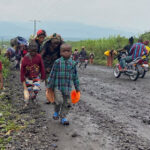
The war’s toll is staggering: more than 5.6 million Congolese are internally displaced, with over 4 million crowded into the eastern provinces of South Kivu, North Kivu, and Ituri. In these regions, entire generations have known nothing but the terror of gunfire, the chaos of sudden flight, and the gnawing hunger of life in overcrowded camps. Critical infrastructure – hospitals, schools, water systems – lies in ruins, and aid organisations struggle to reach those in desperate need.
In Goma, the largest city in the conflict zone, the influx of families fleeing M23 rebel advances has overwhelmed every available resource. “Thousands of people have been pushed into extremely precarious situations, seeking refuge in already overcrowded camps,” reports the Norwegian Refugee Council. “Many are still left with no safe place to go, without access to basic needs such as healthcare, food, or safe drinking water, as critical infrastructure has been severely damaged or looted”.
What the Peace Agreement Means
If the peace agreement holds, it could mean the silencing of the guns and the beginning of healing for a region long defined by suffering. The draft accord includes:
- A comprehensive ceasefire and the withdrawal of Rwandan troops from Congolese territory—a key US demand and a major step toward easing tensions.
- Disarmament and conditional reintegration of non-state armed groups, offering a path away from violence for thousands of fighters.
- A joint security framework to address cross-border threats and ensure that the cycle of revenge and retribution does not reignite.
- Facilitation of humanitarian access, so aid can finally reach those who need it most, and displaced families can begin to return home.
For the hundreds of thousands living in limbo, the impact could be immediate and profound: families reunited, children returning to school, farmers reclaiming their fields, and communities rebuilding from the ashes. Hospitals like Goma’s Ndosho, where the wounded and maimed have crowded the wards, could shift from crisis response to rehabilitation and hope.
Yet, the scars of war run deep. Previous ceasefires have collapsed, and analysts warn that the region’s mineral wealth – cobalt, copper, gold, and lithium – could attract new actors and complicate the peace. Human rights organisations urge that justice and accountability must accompany any political settlement, as all sides have been accused of atrocities: indiscriminate shelling, massacres, and the targeting of civilians.
“This ceasefire will not change their situation unless it is followed by lasting peace and stability,” humanitarian workers caution.
A New Dawn?
As the world watches, the signing of this agreement could mark the end of a nightmare for millions – or simply another chapter in a long, unfinished story. For the mothers who have buried children, the amputees learning to walk again, and the young people yearning for a future beyond war, the promise of peace is both a lifeline and a test of faith.
If the guns fall silent and the promises are kept, the people of eastern Congo may finally begin to write a new story – one of resilience, renewal, and the slow, arduous work of healing a wounded land.