
THE summer rain fell cold on Mary Edonga’s shoulders that June day in 2021. At eighteen years old, thousands of miles from South Sudan, she stood alone in Belfast—a city where even the summer felt like winter, where the language twisted strangely in her ears, where her younger brother had been taken from her side the moment they arrived.
Everything was weird, she would later say. But weird didn’t capture the half of it—the bone-deep loneliness, the sleepless nights in a hotel room, wondering if her brother was safe, the paralysing fear that comes with starting over in a world that makes no sense.
Then someone told her about a football programme.
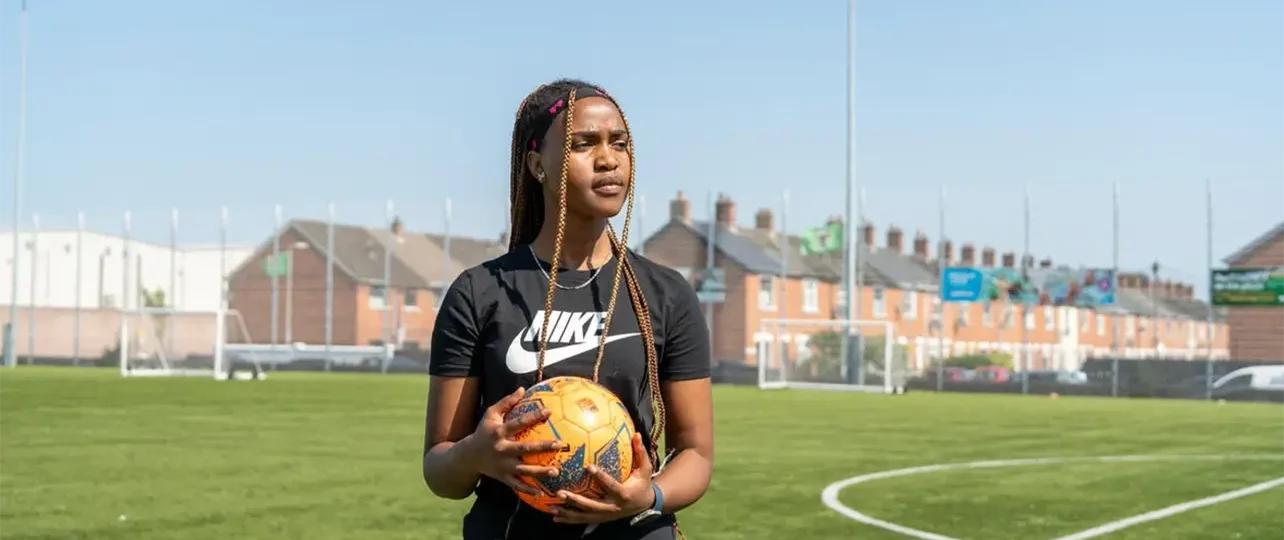
“I was very happy, because I was stressed and I didn’t know anyone,” Mary remembers, her voice still bright with the surprise of that discovery. “Then I joined football, Street Soccer, and everyone was amazing. The people, the coaches, everyone was friendly.”
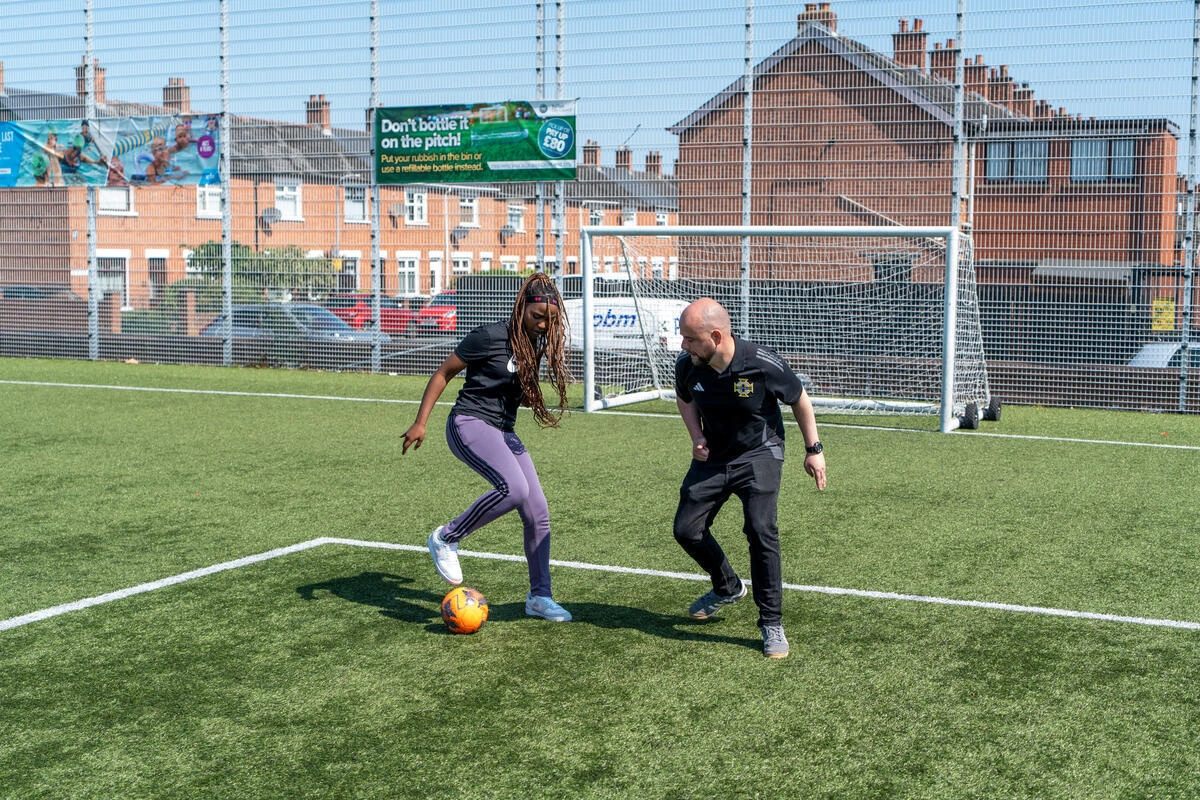
It sounds simple, almost too simple. A girl. A ball. A pitch. But in that simplicity lay everything Mary needed: a reason to leave her room, a place where words didn’t matter as much as movement, where a pass could say I see you and a goal could shout you belong here.
The Beautiful Game Becomes a Beautiful Life
Street Soccer Belfast isn’t just about sport—it’s about salvation in the everyday sense. Founded by Justin McMinn to bridge the bitter divides between Protestant and Catholic communities, the programme expanded its embrace to include refugees, transforming a football pitch into sacred ground where barriers crumble and strangers become family.
“Football is a common language,” Justin explains, leaning forward with the passion of someone who has witnessed miracles in ordinary moments. “Even if you don’t know English, you can still understand each other on the field.”
For Mary, that universal language became her lifeline. As her feet learned the rhythms of the game, her tongue learned the rhythms of English. As her teammates passed her the ball, they passed her belongings. She wasn’t just playing—she was coming alive.
© UNHCR/Andrew Testa
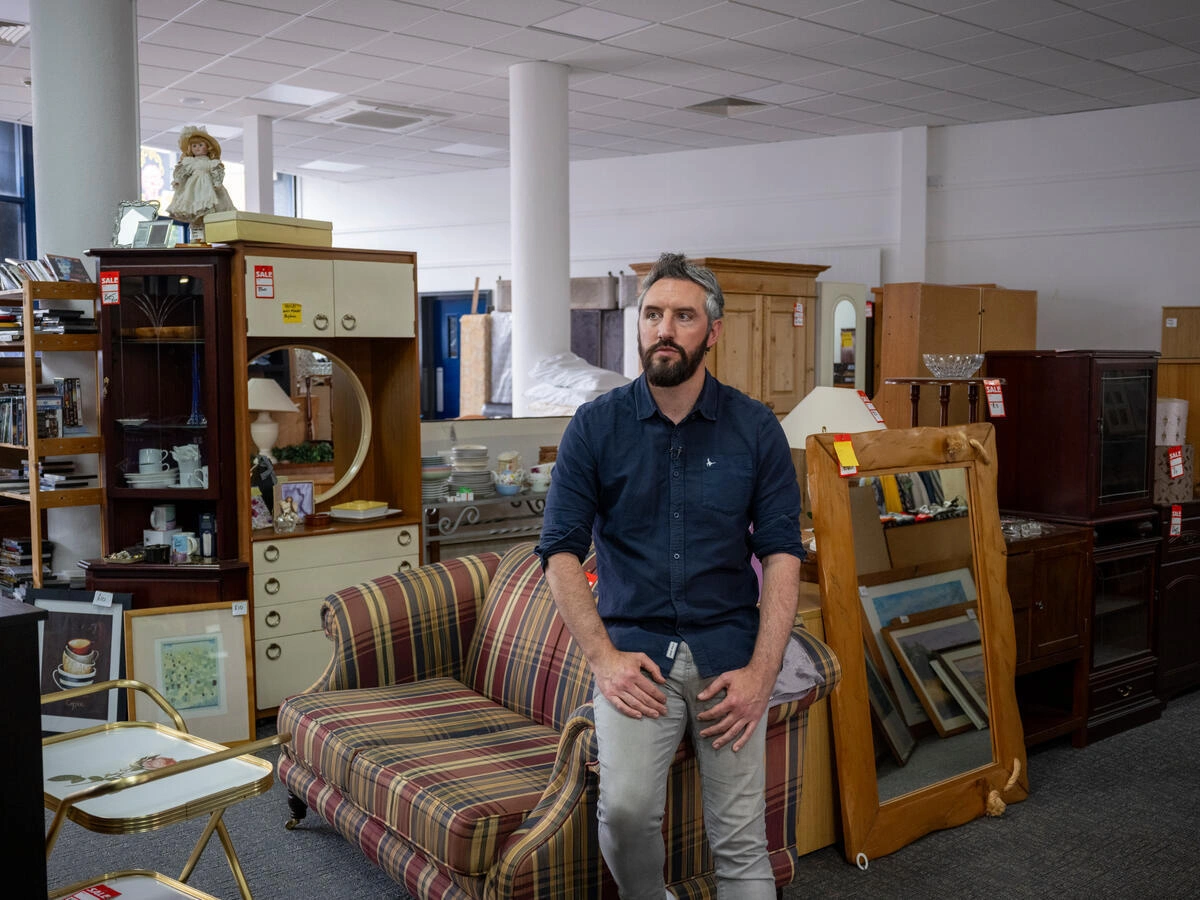
Louise McGonnell knows that resurrection firsthand. Once homeless, now a daily volunteer at Street Soccer, Louise watched Mary transform from a frightened teenager into a confident young woman who could light up a room.
“The way I look at it, we’re all one,” Louise says with the certainty of someone who has been broken and made whole again. “When you come to Street Soccer, you’re not judged; everyone is there to support you.”
In 2022, Mary and Louise travelled together to Dundee, Scotland, to compete in the Homeless World Cup. Two women from different worlds, united by football, representing something bigger than themselves. By then, Mary’s English had bloomed so magnificently that she was helping newly arrived refugees find their footing, offering them the same lifeline she had once grasped.
From Pitch to Platform
Four years after that cold summer arrival, Mary stood on a different kind of pitch—a conference stage at the Irish Football Association, invited back to Belfast to tell her story. The frightened girl who once knew no one now spoke to rooms full of people about hope, integration, and the transformative power of sport.
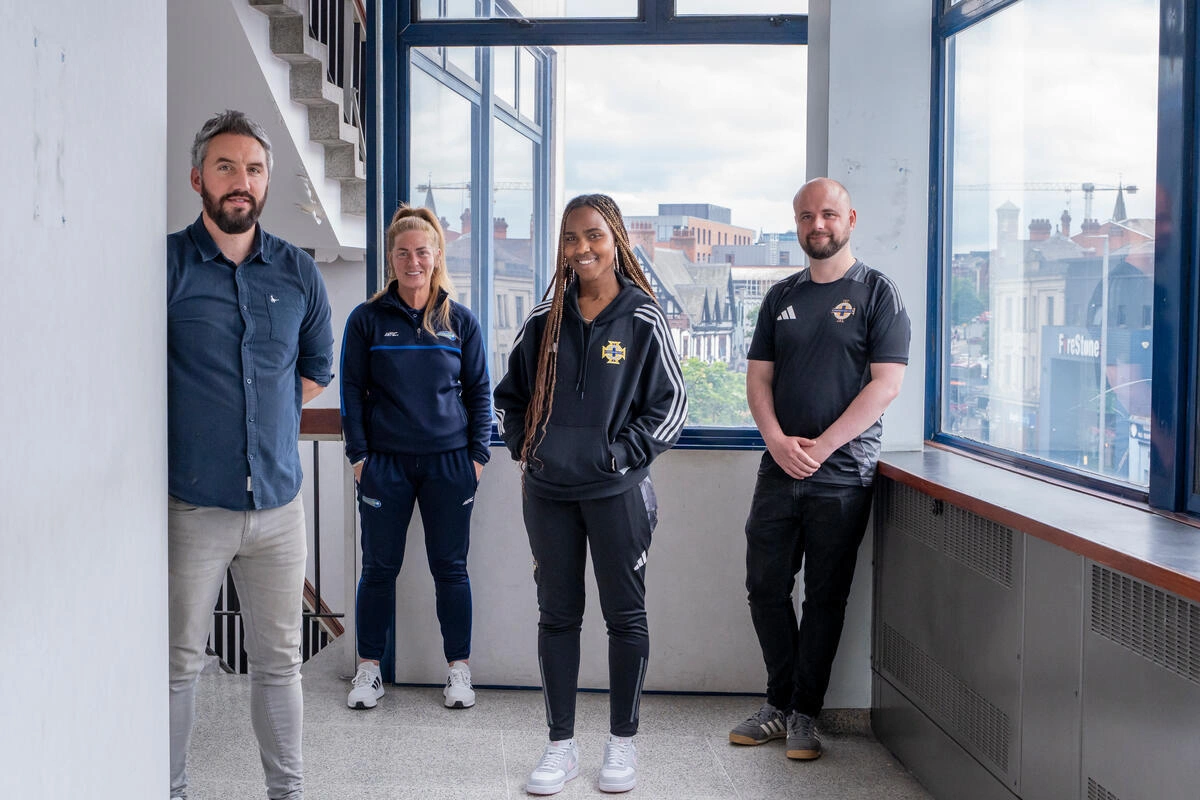
Andy Hardy, the Irish FA’s Community Engagement Officer, watched her speak with pride. The FA’s programmes don’t just offer football—they offer futures, providing coaching qualifications, work experience, and employment support that help refugees build new lives brick by brick.
“This helps massively in integrating refugees into their host communities,” Andy explains, but the statistics and strategies pale beside the living proof standing before him.
© UNHCR/Andrew Testa
Mary’s journey took her even further. In October 2024, she found herself in Switzerland at UEFA headquarters, sitting beside UN High Commissioner for Refugees Filippo Grandi, speaking at the Unity EURO Cup—a tournament that brings together refugees and host community members in the beautiful collision of sport and solidarity.
“I was afraid at first,” Mary admits, “but when I saw the video, I was very happy and felt proud.”
Proud. The word hangs in the air like a victory cry. From alone to proud. From silent to speaking. From refugee to role model.
The Family You Choose
Today, Mary studies at university in Manchester, but Belfast remains woven into her heart. She speaks daily with Winta, a friend she met through football, their conversations a testament to the bonds that form when people are given a chance to simply be human together.
“We encourage each other, we share secrets and support each other,” Mary says, her voice warm with affection. “That’s what football brings to my life: the friendships I have made through football; they become like family.”
Become like family. Not replace family, but expand it—adding sisters and brothers and coaches and volunteers to the constellation of people who show up, who care, who pass you the ball when you need it most.
Looking back at that cold summer day when everything was weird and wrong and impossibly hard, Mary sees now what she couldn’t see then: that loneliness was not her destination but her starting line.
© UNHCR/Andrew Testa
“It was very, very challenging. I was nervous,” she says. Then her face breaks into the kind of smile that could warm even a Belfast summer. “But through football, I overcame everything.”
Not just everything she faced then. Everything that came after. Every fear. Every doubt. Every moment of wondering if she would ever feel at home again.
The answer, it turns out, wasn’t in a place. It was in a game. In a community. In the radical act of strangers choosing to love each other through the simple, profound medium of a ball and a dream.
Mary Edonga arrived in Belfast with nothing but her brother and her courage. She left with a family that stretches across oceans, a voice that speaks for millions, and the unshakeable knowledge that belonging isn’t something you’re born into—it’s something you build, one pass, one game, one act of courage at a time.
And it all started with someone saying: Hey, want to play football?
Sometimes salvation sounds just that simple.