THE International Criminal Court is urgently collecting evidence of alleged mass killings and sexual violence following the capture of al-Fashir by paramilitary forces, marking a potentially catastrophic turning point in Sudan’s civil war that experts warn echoes the genocide that devastated Darfur two decades ago.
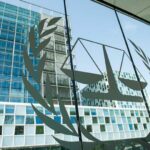
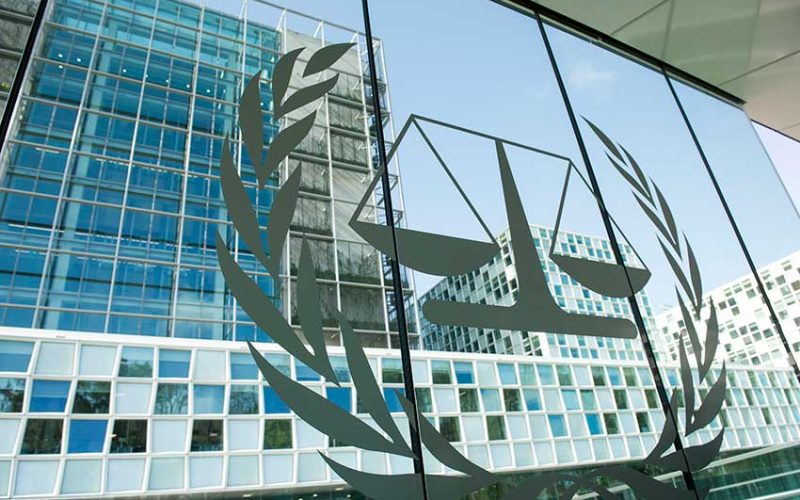
The court’s Office of the Prosecutor announced Monday it is taking “immediate steps” to preserve evidence of crimes allegedly committed by the Rapid Support Forces after their seizure of al-Fashir, the last military-held city in Sudan’s western Darfur region. The move signals the ICC’s determination to pursue accountability as the humanitarian catastrophe deepens.
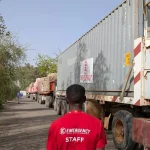
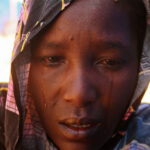
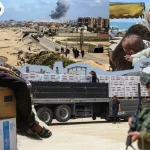
More than 70,000 people have fled al-Fashir, with survivors reporting the systematic separation and execution of men attempting to escape. The fate of nearly 200,000 people believed trapped inside the city remains unknown.
“These atrocities are part of a broader pattern of violence that has afflicted the entire Darfur region since April 2023,” the prosecutor’s office stated, adding that such acts “may constitute war crimes and crimes against humanity under the Rome Statute.”
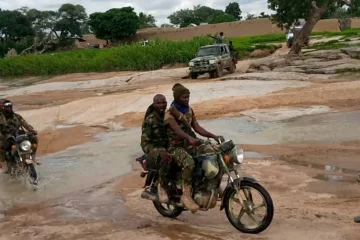
Experts say the reported violence bears the hallmarks of earlier atrocities in Darfur that were widely characterised as genocide. The International Committee of the Red Cross warned over the weekend that history is repeating itself, with the RSF now exercising de facto control over more than a quarter of Sudan.
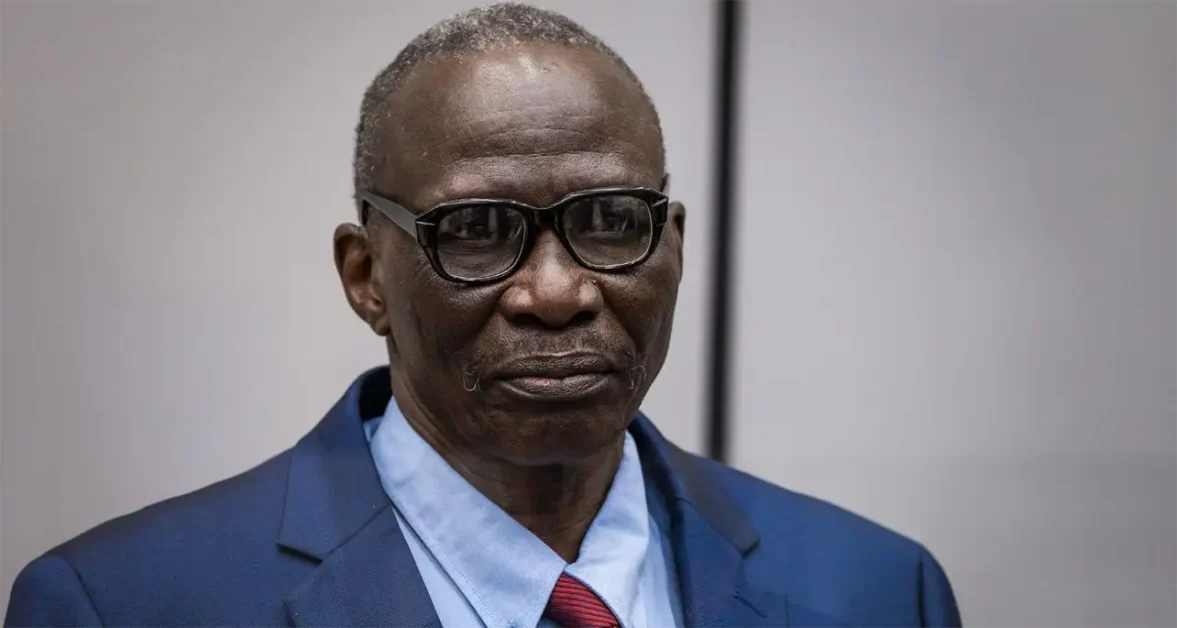
The ICC has maintained jurisdiction over Darfur since 2005, when the UN Security Council first referred the situation to The Hague-based court—long before the current civil war erupted in April 2023. That ongoing investigation gained new momentum last month when ICC judges convicted Ali Muhammad Ali Abd-Al-Rahman, known as Ali Kushayb, the first Janjaweed militia leader tried for atrocities committed in Darfur more than 20 years ago.
The prosecutor’s office cited that conviction as “a warning for all parties to the conflict in Darfur that there will be accountability for such atrocious crimes.”
The court is appealing to individuals and organisations to submit evidence through its secure platform as it builds cases for future prosecutions. The ICC can prosecute suspected perpetrators of war crimes, crimes against humanity, genocide, and aggression when committed on the territory of its 125 member states, by their nationals, or through UN Security Council referrals.