A coalition of seventeen Western nations and the European Union has issued an extraordinary rebuke to Tanzania’s government, demanding the immediate release of bodies of victims killed in a brutal post-election crackdown and the freeing of political prisoners swept up in mass arrests.
The joint statement, released Friday by embassies from Britain, Canada, Norway, Switzerland, and thirteen other nations, marks an unprecedented diplomatic confrontation over mounting evidence of extrajudicial killings, forced disappearances, and secret burials that have plunged the East African nation into its gravest human rights crisis in years.
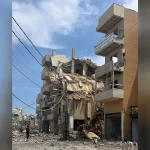
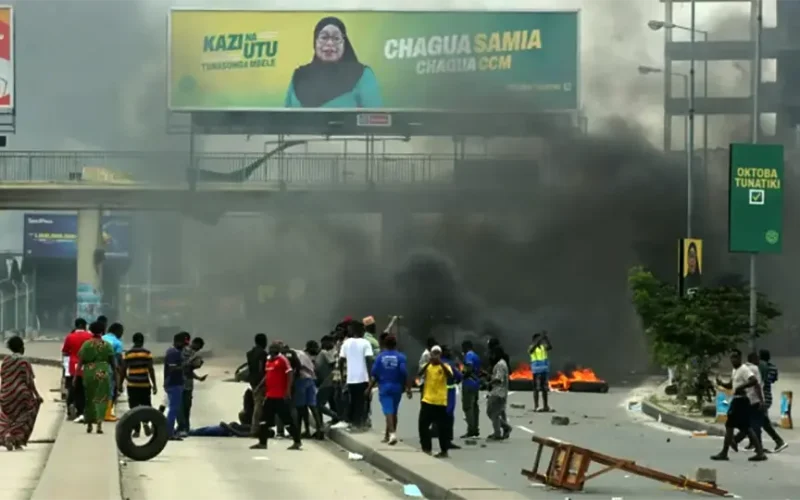
The violence erupted after election observers and opposition groups alleged widespread irregularities and manipulation that stole the vote, sparking nationwide protests. Security forces responded with lethal force, killing an unknown number of demonstrators and opposition supporters. Credible reports describe bodies secretly disposed of and mass graves, while waves of arbitrary arrests have filled detention centres with political prisoners denied legal representation and medical care.
President Samia Suluhu Hassan has doubled down on her government’s violent response, publicly defending security forces and dismissing international criticism. Rather than expressing regret over the bloodshed, Hassan has framed the crackdown as necessary to restore order and protect national stability, inflaming tensions by branding critics as threats to peace.
The diplomatic coalition expressed grave concern over deaths and injuries following what they characterised as deeply flawed elections, demanding that Tanzania protect fundamental freedoms, including constitutional rights to expression and information access. They called on security forces to exercise maximum restraint to prevent further killings.
The statement pressed the government to implement recommendations from the African Union and Southern African Development Community election observation missions, which documented glaring irregularities undermining the vote’s democratic legitimacy. Both regional bodies issued preliminary reports exposing systemic flaws that cast doubt on the results.
While welcoming the government’s recent acknowledgement that the violence requires investigation, the diplomats insisted any inquiry must be genuinely independent, transparent, and inclusive – engaging civil society, faith communities, and all political actors—to achieve accountability and reconciliation.
The unified international outcry underscores deepening alarm over Tanzania’s authoritarian trajectory. The stolen election, violent suppression of dissent, extrajudicial executions, and mass detentions represent a stark reversal for a nation once viewed as relatively stable in a turbulent region.
The crisis has exposed the government’s willingness to deploy lethal force against its own citizens and President Hassan’s determination to crush opposition through violence rather than address legitimate grievances about electoral fraud. Her defiant stance in the face of international condemnation signals a dangerous escalation that threatens to further destabilise Tanzania and isolate it diplomatically.
The coalition’s demand for the release of victims’ bodies reflects the grim reality that families cannot even bury their dead, with authorities allegedly hiding evidence of killings. The call for freeing political prisoners highlights the systematic targeting of opposition voices in a campaign of political repression.
As the death toll remains unknown and detention centres overflow, the international community has sent an unmistakable message: Tanzania’s government will face sustained pressure until it accounts for the bloodshed, releases those unjustly imprisoned, and respects democratic norms and human rights.