AFRICAN governments imposed 193 internet shutdowns across 41 countries between 2016 and 2024, with annual incidents doubling from 14 in 2016 to 28 in 2024, according to a new open-access book that provides the first comprehensive analysis of digital blackouts on the continent.
The research, published by digital rights activist Felicia Anthonio and digital researcher Tony Roberts writing in The Conversation, examines how African states use internet disruptions to suppress political opposition and prevent online reporting of events.
Ethiopia has experienced the most internet shutdowns in Africa, with 30 in the last decade, primarily targeting the Oromo and Amhara regions. Sudan recorded 21 shutdowns, while the research found that these disruptions are consistently timed to coincide with elections or peaceful protests.
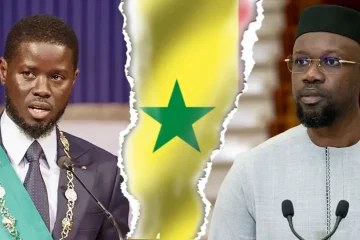
The book, titled “Internet Shutdowns in Africa: Technology, Rights and Power,” features 11 case studies written entirely by African researchers. In Senegal, five politically motivated shutdowns over three years cut off citizens’ access to online work, education and healthcare information.
The authors argue that internet shutdowns violate international human rights law by preventing the free flow of information and disrupting online social, economic and political life. Each shutdown typically affects millions of citizens’ rights to freedom of expression, commerce, and civic participation.
The research traces the historical roots of media control. In Zimbabwe, British colonisers first imposed media shutdowns to silence independence movements, a practice later adopted by post-liberation governments to disseminate disinformation and curtail opposition.
While states order shutdowns, private internet service providers and mobile phone companies implement them. The authors call for collective refusal by telecommunications companies to impose such restrictions.
The findings come as African governments are signatories to both the Universal Declaration of Human Rights and the African Union Charter on Human and Peoples’ Rights, commitments the researchers say are frequently ignored to preserve political power.
This article is based on content originally published by Felicia Anthonio and Tony Roberts in The Conversation, which owns the intellectual property rights to the original work.