SOUTH Sudan stands at the precipice of a humanitarian catastrophe as the world’s youngest nation descends once again into civil war, with military commanders issuing evacuation orders that human rights monitors warn could presage mass atrocities against civilians.
On January 25, South Sudan’s military ordered civilians, aid workers, and United Nations personnel to evacuate opposition-controlled territories in Jonglei state ahead of planned military offensives, raising international alarm about the protection of vulnerable populations caught in the crossfire of renewed conflict.
Echoes of Past Atrocities
The evacuation directive comes amid escalating violence that has displaced more than 100,000 people since December 2025, as fighting intensifies between government forces, opposition groups, and ethnic militias in northern Jonglei. But it is the inflammatory rhetoric from senior military commanders that has sparked the most urgent concerns among international observers.
General Johnson Olony, deputy chief of disarmament and demobilisation for the South Sudan People’s Defence Forces and leader of the government-allied Agwelek militia, reportedly urged his forces on January 24 to “spare no lives… not even the elderly… not even a chicken,” according to Human Rights Watch. The organization characterized such language as direct incitement to commit war crimes.
This inflammatory speech recalls South Sudan’s darkest chapters. During previous waves of conflict, elderly people and those with disabilities — unable to flee advancing forces — were shot, burned alive in their homes, or left to die. The pattern is grimly familiar to a nation that has endured repeated cycles of ethnic violence since gaining independence in 2011.
A Nation Fracturing Along Familiar Lines
The current crisis represents a collapse of the fragile 2018 peace agreement that ended a five-year civil war that killed an estimated 400,000 people. Fighting now pits the South Sudan People’s Defence Forces against the Sudan People’s Liberation Army in Opposition, with both sides mobilising ethnic militias in what observers describe as dangerous sectarian mobilisation.
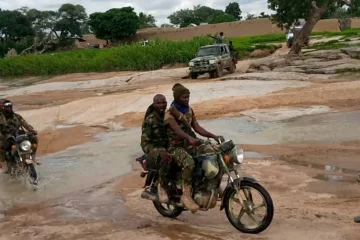
Key battlegrounds include the counties of Nyirol, Uror, and Akobo in Jonglei state, areas already devastated by flooding and food insecurity. The government’s imposition of a no-fly zone over opposition-held territory since January 1 has severed critical humanitarian lifelines, even as aerial bombardments continue.
The United Nations Office for the Coordination of Humanitarian Affairs reports that humanitarian organisations face severe access restrictions in conflict zones, compounding a crisis in regions where communities already struggle with limited healthcare, widespread malnutrition, and the aftermath of recent floods.
War Crimes and Command Responsibility
Under international humanitarian law, targeting civilians and destroying or pillaging civilian property constitute war crimes. Military commanders bear responsibility not only for their own actions but for preventing and punishing violations committed by their subordinates — or face potential criminal liability for failing to do so.
While South Sudan’s government has publicly distanced itself from General Olony’s remarks, Human Rights Watch and other monitoring organisations are calling for concrete disciplinary action rather than mere statements. The test, they argue, will be whether commanders who incite atrocities face genuine accountability.
The evacuation orders themselves, while ostensibly warning civilians to flee, raise troubling questions. International law requires parties to conflict to give effective advance warning where feasible, but such warnings cannot justify indiscriminate attacks or unlawful forced displacement. The directive effectively places those unable to flee — elderly people, persons with disabilities, the sick, and those lacking resources for evacuation — at heightened risk.
International Response: Too Little, Too Late?
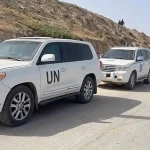
The international community’s response has been muted, raising questions about the effectiveness of existing peacekeeping and diplomatic mechanisms. The UN Mission in South Sudan (UNMISS), already operating under pressure from the government to reduce its presence, faces mounting challenges in protecting civilians and maintaining its monitoring capacity.
Human Rights Watch is urging UNMISS to maintain its presence in conflict zones, intensify long-distance patrols where direct access is restricted, and ensure regular public reporting on abuses. The organisation also calls for regional actors and international partners to publicly condemn inflammatory speech and demand safe humanitarian access.
However, the mission’s ability to fulfil its protection mandate is severely constrained. The government’s pressure to withdraw peacekeepers, combined with access restrictions and no-fly zones, has created a protection vacuum precisely when civilian populations are most vulnerable.
The Humanitarian Crisis Deepens
Beyond the immediate threat of atrocities, South Sudan faces a compounding humanitarian emergency. The conflict zones in Jonglei state were already grappling with severe flooding, which destroyed crops and displaced communities throughout 2025. Food insecurity is widespread, with aid organisations warning of potential famine conditions if humanitarian access remains blocked.
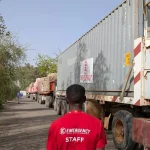
Medical aid organisations, including Médecins Sans Frontières, report that access restrictions are preventing lifesaving medical care in Jonglei state. Health facilities, already limited in the region, cannot function without humanitarian support. The combination of conflict, displacement, food insecurity, and blocked medical access creates conditions for mass suffering.
The 100,000 people displaced since December have fled to areas that often lack basic services and shelter. With the rainy season approaching and disease outbreaks a constant threat in displacement camps, the potential for a public health catastrophe looms large.
A Pattern of Impunity
South Sudan’s return to conflict represents not just a breakdown of the 2018 peace agreement, but a failure of accountability mechanisms that were supposed to prevent future atrocities. A Hybrid Court for South Sudan, mandated under the peace agreement to prosecute war crimes and crimes against humanity, has never been established.
Without credible threats of prosecution, military commanders operate with impunity. The rhetoric from figures like General Olony suggests a calculated belief that there will be no consequences for ordering attacks on civilians. This culture of impunity, human rights organisations argue, virtually guarantees the repetition of past atrocities.
The UN Commission on Human Rights in South Sudan has documented systematic violations throughout the country’s history, including ethnic massacres, sexual violence as a weapon of war, forced displacement, and the recruitment of child soldiers. Yet prosecutions remain virtually nonexistent.
What Happens Next
The coming weeks will likely determine whether South Sudan slides back into full-scale civil war or whether regional and international pressure can halt the escalation. Key indicators include whether government forces follow through on threatened offensives in opposition areas, whether humanitarian access is restored, and whether commanders who incite atrocities face any form of accountability.
Human rights organisations are calling for immediate action on multiple fronts: public condemnation of inflammatory rhetoric, guaranteed safe humanitarian access, maintenance of UN peacekeeping presence, and renewed diplomatic pressure for a political settlement. The African Union, regional organisations like the Intergovernmental Authority on Development, and international partners all face pressure to demonstrate that they can prevent a foreseeable catastrophe.
For South Sudan’s civilian population, particularly those trapped in conflict zones, time is running out. The evacuation orders, the inflammatory rhetoric, the ethnic mobilisation, and the patterns of past violence all point toward a grim conclusion unless urgent intervention occurs.
The International Community’s Test
South Sudan’s crisis poses fundamental questions about the international community’s commitment to preventing mass atrocities. The warning signs are clear and well-documented. The mechanisms for early warning exist. What remains uncertain is whether there exists the political will to act decisively before civilians pay the ultimate price.
As Nyagoah Tut Pur, Africa Division researcher for Human Rights Watch, emphasised in her analysis, “urgent, coordinated action from regional and international actors is essential to avert yet further abuse and suffering for civilians in South Sudan.”
The world has watched South Sudan descend into violence before. The question now is whether this time will be different — or whether the international community will once again be forced to document atrocities it failed to prevent.