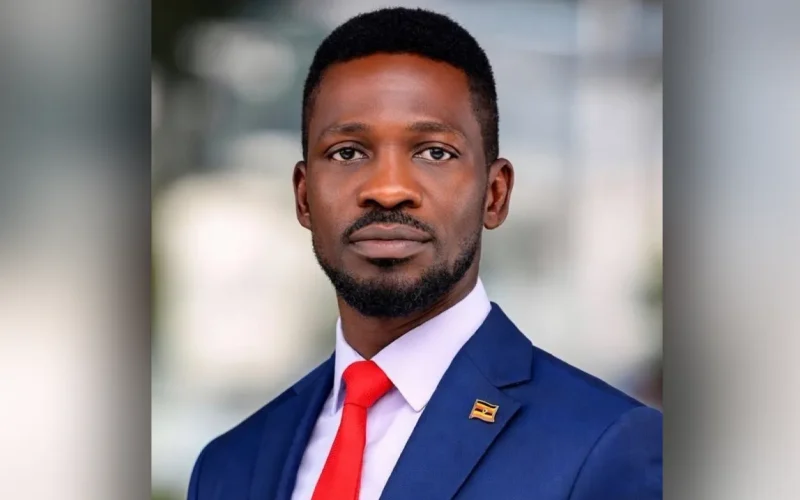
UGANDAN opposition leader Robert Kyagulanyi, known as Bobi Wine, remains in hiding weeks after disputed presidential elections, as military forces have taken control of his family residence in Magere, Wakiso District, according to statements from the National Unity Platform (NUP) and international human rights observers.
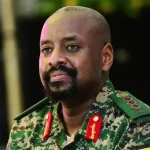
The situation escalated following a January 23 raid during which Wine alleges soldiers broke into his home, damaged property, and held his wife, Barbara “Barbie” Kyagulanyi, at gunpoint. General Muhoozi Kainerugaba, Uganda’s Chief of Defence Forces and President Yoweri Museveni’s son, later posted a photograph on social media showing Barbie Kyagulanyi seated on the floor with an armed soldier standing over her, captioned: “This is when our soldiers captured and then released Kabobi’s wife Barbie”.
Post-Election Crackdown
The military occupation follows Uganda’s January 15, 2026, presidential election, in which incumbent President Museveni was credited with approximately 76 percent of the vote in early results, while challenger Wine received around 22 percent. Wine has rejected the results, alleging widespread electoral fraud and ballot stuffing.
Wine said he escaped from his home hours before official results were announced, stating: “I managed to escape from them… my wife and other family members remain under house arrest”. The opposition leader’s whereabouts remain unknown, though some reports suggest he may have left Uganda for a neighbouring East African country approximately a week after the election.
International Response
Robert Amsterdam of Amsterdam & Partners LLP, Wine’s international legal counsel, has called for the Commonwealth to indefinitely suspend Uganda, warning that the military occupation and targeting of Wine constitute serious breaches of Uganda’s obligations under international law, including the International Covenant on Civil and Political Rights.
Human Rights Watch documented the post-election environment, with reports indicating at least three top NUP leaders detained and over 2,000 opposition supporters arrested, with claims of at least 30 killed. At least seven people were killed overnight in violence in the town of Butambala, about 55 kilometres southwest of Kampala, with conflicting accounts from police and opposition lawmakers about the circumstances.
Government Response
Uganda’s government has offered contradictory statements about the situation. Information Minister Chris Baryomunsi condemned the military raid on Wine’s home, telling Reuters that Wine “had not committed any crime and was free to return there,” adding: “We do not condone any acts of indiscipline on the side of the army and security forces”.
However, army spokesperson Chris Magezi rejected allegations of Wine’s abduction as “baseless and unfounded,” claiming they were “designed to incite his supporters into acts of violence”. General Kainerugaba has stated on social media that the military is looking for Wine, though he has not specified what crime Wine may be charged with.
Election Context
The January 2026 election took place amid significant restrictions on the opposition. The vote followed a tense campaign marked by internet shutdowns, with Museveni’s government imposing an internet blackout that lasted through the election period. The United Nations rights office said the elections were taking place in an environment marked by “widespread repression and intimidation” against the opposition.
During the campaign, Wine’s rallies were repeatedly interrupted by security forces firing tear gas and bullets, killing at least one person and arresting hundreds. Election day itself was plagued by technical problems, with malfunctioning biometric machines and delayed ballot deliveries in several areas.
Planned March
Opposition supporters and activists have called for a March 1 demonstration to deliver food and essential supplies to Wine’s family at the Magere residence, framing the action as a broader stand for citizens’ dignity and rights. The government has not publicly responded to these plans, though past opposition protests have been met with police intervention and arrests.
President Museveni, 81, has ruled Uganda since 1986 and is now in his seventh term. The country has not witnessed a peaceful transfer of presidential power since its independence from British colonial rule six decades ago.
This is a developing story.