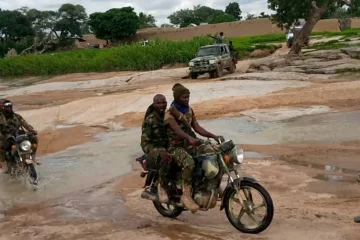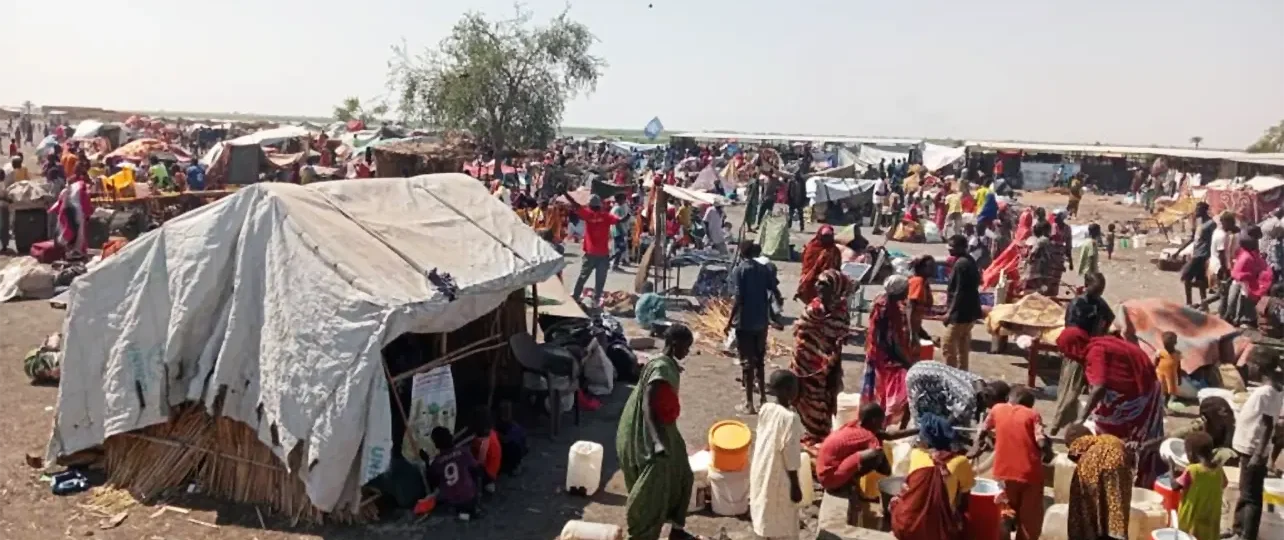

SOUTH Sudan is facing one of the world’s most severe humanitarian emergencies, with over 1.3 million Sudanese war refugees pouring across its borders and nearly 10 million of its own citizens requiring aid, the UN’s migration agency has warned – even as renewed political violence threatens to collapse what little relief infrastructure remains.
The International Organisation for Migration reported that displacement within South Sudan has accelerated sharply in recent weeks, with more than 250,000 people uprooted in just the past two months. The figures place South Sudan among the most displacement-affected countries globally, yet the crisis has drawn little international attention.
“This has hardly been registered on the international scene,” IOM Deputy Director for Operations Ugochi Daniels told reporters in Geneva.
The warning comes days after the UN’s top aid official, Tom Fletcher, issued a formal alert for the country on Monday – itself preceded by the killing of three aid workers in the northeastern states of Jonglei and Upper Nile earlier this month. Those states have become flashpoints for fighting between government forces and troops loyal to Vice-President Riek Machar, who is currently under house arrest and facing treason charges.
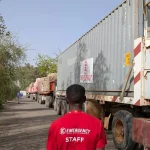
The violence has forced the suspension of UN aid operations in parts of both states, with humanitarian agencies resorting to river corridors to deliver food and nutrition supplies to the most vulnerable populations. Daniels cautioned that even those workarounds remain precarious.
“There may be access today, not access tomorrow,” she said. “The reality is that it’s fragile.”
Compounding the crisis, more than 109,000 people sheltering at Bentiu — South Sudan’s largest displacement site — are surrounded by standing floodwaters, leaving them increasingly exposed to climate-related health and safety risks. IOM said it has partnered with the South Sudanese government and the World Bank on flood mitigation efforts that have begun to reclaim usable land, allowing some displaced families to construct flood-resistant housing and reconnect to basic services.
The dual burden of an influx from Sudan’s ongoing war and the internal fallout from South Sudan’s political instability is straining a humanitarian system already operating at its limits, with officials signalling the situation could deteriorate further if access conditions do not improve.