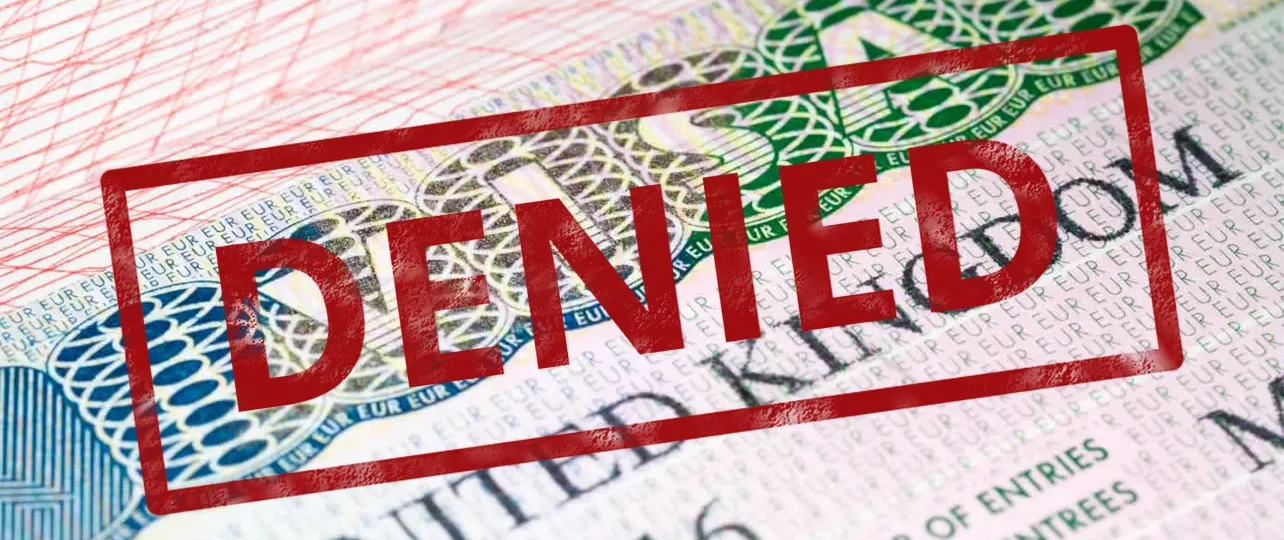

BRITAIN has moved to ban student visas for nationals of Afghanistan, Cameroon, Myanmar and Sudan, invoking what it called an “emergency brake” in an unprecedented tightening of immigration policy aimed at curbing asylum claims filed through legal entry routes.
The Home Office said it would also suspend skilled worker visas for Afghan nationals as part of the broader clampdown. The visa brake will be introduced via an immigration rules change on March 5 and come into force on March 26.
Asylum applications by students from the four countries rocketed by over 470% between 2021 and 2025. Among the most striking figures: the proportion of Afghan asylum claims relative to study visas issued reached 95% over that period, while student applications from Myanmar soared sixteen-fold.
Home Office figures show that 39% of the roughly 100,000 asylum seekers in 2025 claimed their status after arriving in the UK through a legal migration route such as a student visa — triple the number from five years ago.
Home Secretary Shabana Mahmood defended the move as necessary to restore order to a system she said was being exploited. “Britain will always provide refuge to people fleeing war and persecution, but our visa system must not be abused,” she said. The ban follows an earlier November threat by Mahmood to halt all visas for Angola, Namibia and the Democratic Republic of Congo unless their governments agreed to accept deported nationals — a strategy that yielded cooperation agreements and deportation flights from all three countries.
The announcement comes a day after tightened asylum rules took effect under which the Home Office will review refugee status for adults every 30 months. Refugees whose countries are later deemed safe will be expected to return home — a significant departure from a previous system where refugee status lasted five years and opened a path to citizenship.
Migration experts warned of potential “collateral damage,” noting that the four countries are not the largest source of asylum claims from visa holders overall and cautioning that similar restrictions applied more broadly — to Pakistan, for instance — could disrupt tens of thousands of legitimate visa applicants who never seek asylum.
The British move is the latest in a wave of immigration restrictions sweeping Western democracies. In the United States, the Trump administration has enacted sweeping curbs since returning to office. In December 2025, Washington froze all asylum adjudications indefinitely and paused green card processing for nationals of 19 countries, including Afghanistan, in what immigration attorneys described as the most far-reaching restrictions in decades. The administration also expanded its travel ban to cover nearly 40 countries, imposing full entry suspensions on nationals of 19 of them as of January 1, 2026.
In Germany, first-time asylum applications fell by about half in 2025 to roughly 113,000 — the lowest level in more than a decade — after Chancellor Friedrich Merz’s government expanded border controls to all land borders and tightened eligibility rules. Berlin is also pushing legislation to fast-track the classification of “safe countries of origin,” including Algeria, Morocco, Tunisia and India, enabling quicker deportations without requiring parliamentary approval from both chambers.
At the EU level, the Danish presidency of the European Council secured a landmark agreement in December 2025 revising the bloc’s “safe third country” concept, allowing member states to process asylum claims outside Europe’s borders entirely — a policy Denmark has long championed as a way to remove the incentives driving dangerous migration routes.
The political backdrop in Britain mirrors trends across Europe. Migration has become a defining issue in British politics, with the hard-right Reform UK party surging in opinion polls on an anti-immigration platform, putting pressure on Keir Starmer’s Labour government to act.
Britain has granted sanctuary to over 37,000 Afghans through two resettlement schemes since 2021 and issued 190,000 visas on humanitarian grounds in 2025 alone. The government said the visa ban would remain in force indefinitely while under review.