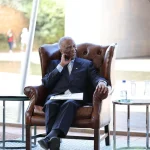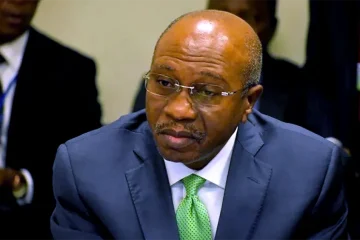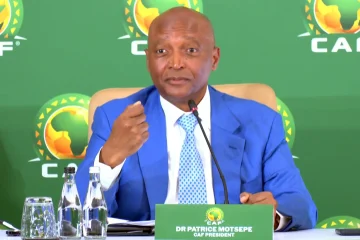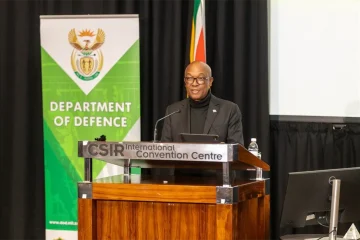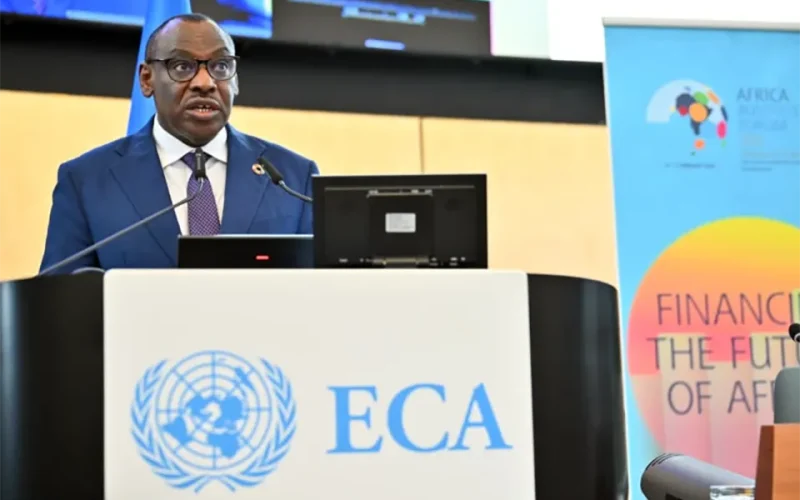
INSIDE the storied Africa Hall in Addis Ababa, something unmistakable was in the air. Heads of state, investment heavyweights and a new generation of African entrepreneurs convened Monday for the 9th Africa Business Forum – and the conversation had shifted. The world is no longer asking whether Africa can grow. It is asking whether it can afford to be left out.
Organised by the United Nations Economic Commission for Africa (ECA) under the theme Financing Africa’s Future, the Forum landed at a pivotal moment. Global markets are jittery – growth is slowing, debt is rising, supply chains are fracturing. Yet Africa, with its 1.5 billion-strong single market, youthful workforce and accelerating digital economy, is looking increasingly like the most compelling answer to the world’s growth problem.
The numbers tell the story
ECA Executive Secretary Claver Gatete did not mince words. “The question is not whether capital exists,” he told delegates. “The real question is: where will the next engines of global growth emerge?”
His answer pointed firmly at Africa. The continent is home to the world’s youngest workforce, its fastest-urbanising cities and some of its most dynamic consumer markets. The African Continental Free Trade Area (AfCFTA) is stitching together a single economic bloc that rivals any in the world. And homegrown success stories are multiplying – youth-led cocoa processing in Côte d’Ivoire, a sophisticated automotive value chain in Morocco, a booming digital payments ecosystem in Ethiopia.
Africa, Gatete argued, is no longer simply exporting raw commodities. It is beginning to export value.
Youth at the centre
The Forum’s most urgent thread was jobs. Millions of young Africans enter the labour market every year – a demographic reality that is either a transformational opportunity or a mounting pressure point, depending entirely on policy choices made now.
“If they find productive employment, Africa could become the growth frontier of the century,” Gatete said. “If not, instability will increasingly globalise.”
Somalia’s Deputy Prime Minister Salah Ahmed Jama offered a ground-level illustration of what getting it right looks like – a country investing simultaneously in a national ID system, education reform, industrial policy, and value chains from livestock and fisheries that already contribute 7 percent to GDP.
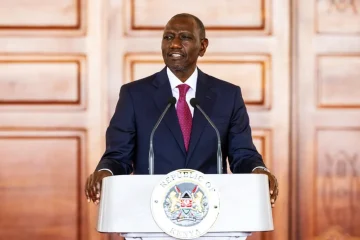
Ethiopia’s President Taye Atske Selassie echoed the urgency, calling for visible, tangible transformation: factories that hire, farms that add value, digital platforms that open markets, creative industries that turn youth talent into economic fuel.
The investment case is shifting
Perhaps the Forum’s most consequential argument was this: the risk of not investing in Africa is fast outpacing the risk of investing in it.
Gatete laid out four priorities to unlock that capital – digitising tax systems and scaling blended finance instruments; strengthening African credit markets to lower borrowing costs; accelerating AfCFTA implementation to spark industrial value chains; and investing urgently in skills, innovation and data infrastructure so that African youth drive – not just survive – the digital and green transitions.
Samalia Zubairu, President and CEO of the Africa Finance Corporation, pushed governments beyond pledges. The continent’s mineral wealth and human capital must translate into real, measurable jobs, he said – not commitments that fade after the closing ceremony.
To hold stakeholders accountable, the Forum introduced a “jobs wall” commitment tracker – a public tool to measure progress on youth employment and enterprise development.
The bottom line
The 9th Africa Business Forum closed its first day with momentum. The message to global investors was blunt: Africa is building industrial value chains, digital markets and green energy systems with or without you – but the opportunity to be part of it will not wait indefinitely.
For African policymakers and entrepreneurs, the charge was equally clear. The conditions for transformation are converging. What remains is the will to act – and the accountability to follow through.