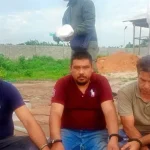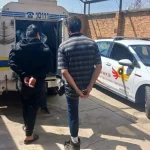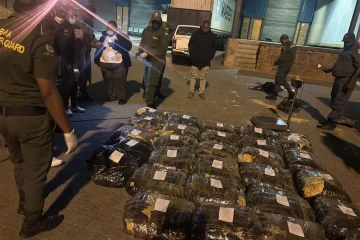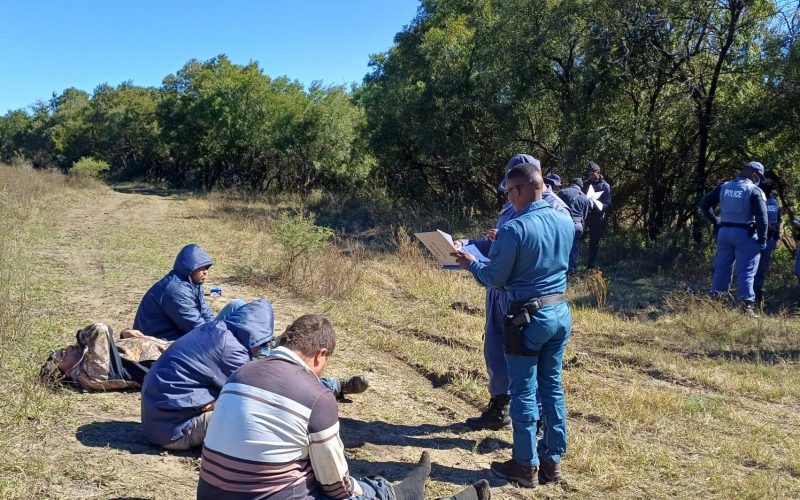
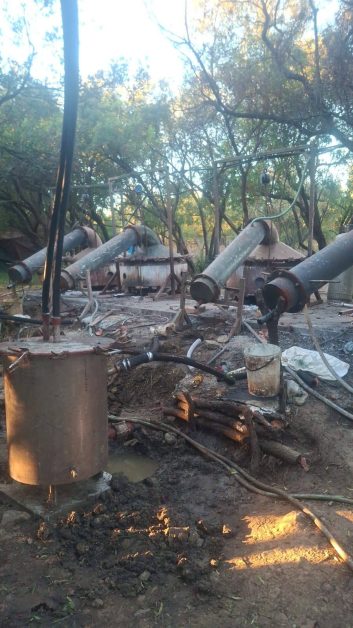
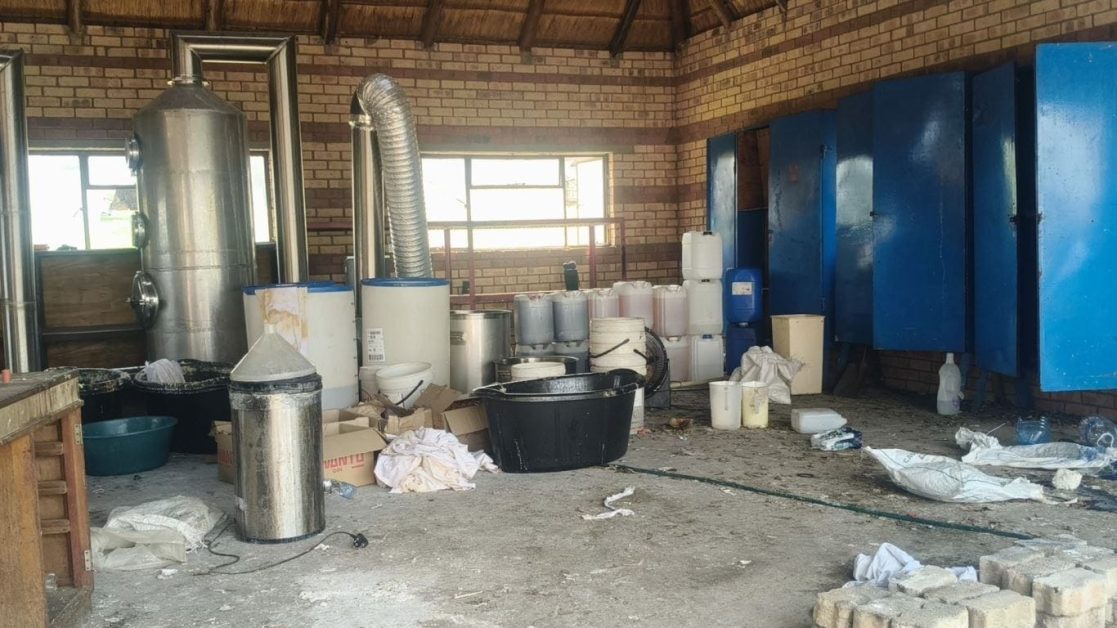
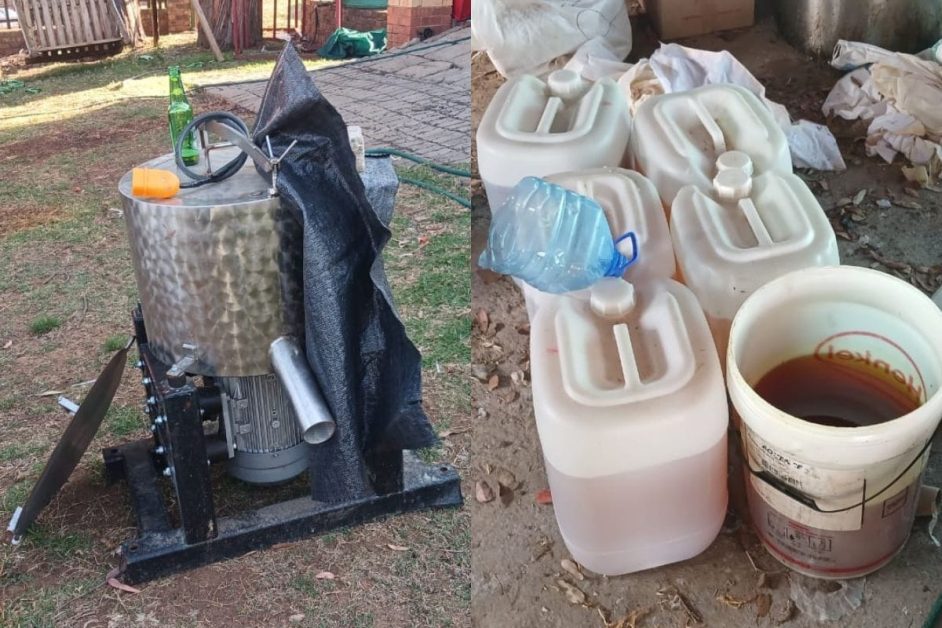
WHEN South African Police Service officers swept into Portion 45, Farm Brakspruit, near Swartruggens in the North West Province on Tuesday, they did not find tractors, grain, or livestock. They found an industrial-scale narcotics laboratory – chemicals, processing equipment, and drugs estimated at a street value of R100 million. Eleven people were arrested, among them four Mexican nationals.
It was not the first time. It will not be the last.
In September 2025, a strikingly similar operation played out 600 kilometres away on Oudehout Kloof farm near Volksrust in Mpumalanga. Police, acting on a tip-off about a suspicious chemical smell, broke through locked gates to find five Mexican nationals and one South African caretaker presiding over what investigators valued at R350 million in crystal methamphetamine – “tik” – packed into lunch boxes and freezers, alongside precursor chemicals and professional manufacturing equipment. Two other suspects, believed to be West African nationals, melted into the surrounding bush and remain at large.

Between those two anchor cases lies a pattern of mounting alarm: similar laboratories uncovered in Groblersdal and Rietfontein, and earlier in 2025, another operation near Volksrust that netted five Mexicans and a farm owner who had leased his property to them — a bust valued at R180 million. The farms change. The nationalities of the operators do not.
The Cartel Formula: Isolation, Locals, and Legal Cover
The operational template is consistent enough to constitute a doctrine. Latin American cartels – primarily Mexican, with West African intermediary networks emerging as logistics facilitators – identify remote agricultural properties, approach owners or their agents, and secure leases, often at above-market rates that suppress questions. The farms provide physical isolation from neighbours and security forces, established water and electricity infrastructure, outbuildings suited to chemical processing, and the legal veneer of legitimate agricultural activity.
Acting National Commissioner Lieutenant General Puleng Dimpane, welcoming the Swartruggens arrests, described the operations as “intelligence-driven” – a deliberate choice of language signalling that police are building dossiers rather than stumbling onto sites. That intelligence picture, pieced together across provinces and over years, points unambiguously to coordinated transnational syndicate activity, not opportunistic freelancing.
“The latest drug bust must send a stern warning to criminals that the South African Police Service remains resolute and relentless in the fight against crime,” Lieutenant General Dimpane said. “We will continue to intensify operations aimed at disrupting and dismantling drug networks operating within our communities.”
The rhetoric of resolution is warranted. But resolution alone does not explain why, eighteen months after Volksrust and years after the first Mpumalanga discoveries, the formula keeps working.
What the Tip-Offs Reveal – and What They Obscure
The Volksrust bust was triggered by a community tip-off about a chemical smell. Swartruggens followed intelligence gathered by the National Head Office Crime Intelligence, the Organised Crime Investigations directorate, and the DPCI – the Hawks. These are meaningfully different triggers.
Community tip-offs suggest that operational security at the farm level is imperfect: the chemical signature of methamphetamine synthesis is not easily contained. But they also suggest that formal surveillance mechanisms – municipal inspectors, environmental authorities, agricultural extension officers, rural business licensing bodies – either do not exist in sufficient density in these areas, or are not integrated into law enforcement early-warning architecture.
Intelligence-led operations of the Swartruggens type are more sophisticated, but they too raise questions: how long was the Brakspruit laboratory operational before the raid? How much product moved before the bust? The R100 million figure represents what was seized, not what was manufactured and distributed.
The Farm Owner Question
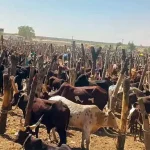
Among the most legally and morally consequential dimensions of this trend is the position of South African landowners. In the 2025 Volksrust case, the farm owner who leased his property to the Mexican operators was arrested alongside them – a significant development in prosecutorial approach. The Volksrust Hawks operation also secured a preservation order from the Mpumalanga High Court freezing portion 7 of Oudehout Kloof farm, including three tractors, an Isuzu double cab, seven trailers, 119 sheep, and all manufacturing materials, under the Prevention of Organised Crime Act.
Asset forfeiture of agricultural land is a powerful deterrent instrument – but only if it is consistently applied and if prosecutions follow through to conviction. South Africa’s legal infrastructure for organised crime prosecution is sound in design. Its application at the scale demanded by a national pattern of farm-based narco-manufacturing requires sustained institutional investment that has historically been uneven.
The question of whether landowners are complicit, negligent, or genuinely deceived also demands prosecutorial rigour. Leasing a farm to foreign nationals who arrive with industrial chemistry equipment and no livestock is not due diligence. Courts must determine where knowledge ends, and wilful blindness begins – and sentences must reflect the gravity of providing the operational infrastructure for a cartel.
Mexico, South Africa, and the Transnational Narco Arc
The recurrence of Mexican nationals in these operations is not coincidental. Mexican cartels – principally the Sinaloa Cartel and Jalisco Nueva Generación (CJNG) – have been systematically expanding their African production footprints for over a decade, driven by a strategic logic: African jurisdictions offer cheaper precursor chemicals, less saturated law enforcement attention, and proximity to emerging consumer markets in southern and east Africa, as well as established maritime routes to European markets.
South Africa’s particular attractions are well-documented in regional security literature: a large, sophisticated financial system that facilitates money laundering; an agricultural sector with millions of hectares of remote land; established port infrastructure at Durban and Cape Town; and a constitutional legal framework that, while robust, requires extensive procedural compliance that slows extradition and prosecutorial cooperation.
The West African suspects who escaped at Volksrust are consistent with cartel logistics networks documented across the continent – intermediary networks that handle local procurement, transport, and distribution, insulating the Mexican principals from direct exposure.
The Week in Numbers: A System Under Pressure
The Swartruggens announcement carried a revealing data point: in the single week preceding the bust, SAPS arrested 280 suspects for dealing in drugs and a further 2 573 for possession. Those numbers, representing routine enforcement at the retail and street level, dwarf the headline farm laboratory arrests – and illuminate the structural challenge facing South African narcotics enforcement.
Farm laboratory busts, however significant in rand-value terms, are seizures of supply infrastructure. They do not, by themselves, address the demand conditions that sustain the market, the money-laundering channels that clean cartel proceeds, or the corruption – where it exists – that allows foreign nationals to operate industrial manufacturing sites undetected for extended periods.
A coherent national response requires the farm busts to be embedded within a broader architecture: enhanced rural intelligence and community liaison, mandatory lease registration requirements for agricultural properties, stricter immigration and work-permit enforcement in remote rural areas, and expanded Hawks capacity for asset forfeiture proceedings.