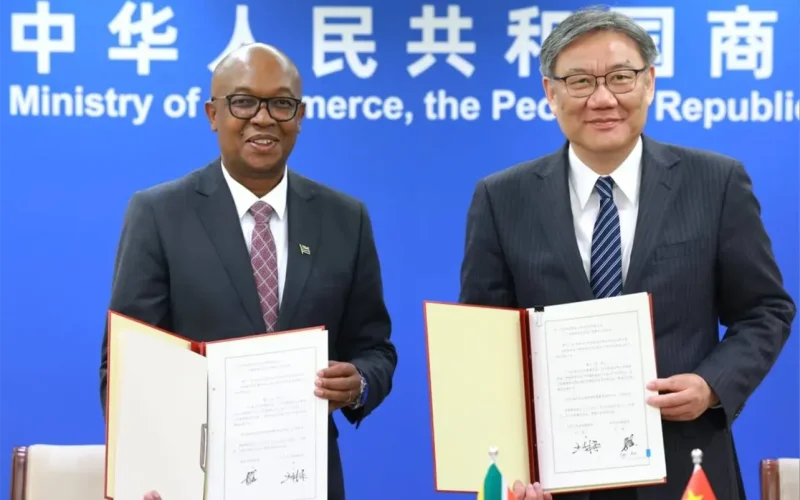
THE signing of the China-Africa Economic Partnership Agreement (CAEPA) between South Africa and China represents a tangible manifestation of BRICS countries leveraging their alliance to forge preferential economic relationships that bypass traditional Western-dominated trade architectures.
SA Trade, Industry and Competition Minister Parks Tau and Chinese Commerce Minister Wang Wentao formalised the Framework Agreement on Economic Partnership for Shared Prosperity in Beijing, establishing a pathway for duty-free access to China’s massive consumer market for South African exports while securing enhanced Chinese investment flows into Africa’s most industrialised economy.
BRICS Framework Enables Bilateral Preferences
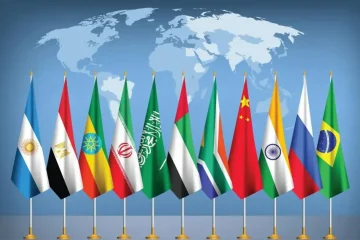
The agreement underscores how BRICS membership – which expanded to include South Africa in 2010 – provides a platform for member states to negotiate advantageous bilateral arrangements. China and South Africa rank as each other’s largest trading partners in their respective regions, with bilateral trade volumes reflecting the strategic priority both nations place on intra-BRICS commerce.
The framework encompasses cooperation across trade, investment, new energy sectors and multilateral engagement, while maintaining alignment with World Trade Organisation principles. However, the preferential nature of the arrangement, particularly the planned duty-free access, demonstrates how BRICS nations are constructing alternative trade corridors that operate parallel to existing multilateral frameworks.
Economic Complementarity Within BRICS
Both governments have committed to negotiations on an Early Harvest Agreement targeted for completion by March 2026, which would operationalise duty-free provisions for South African agricultural products and manufactured goods. Current South African exports to China include citrus and rooibos tea, with opportunities identified in mining, agriculture, renewable energy and technology sectors.
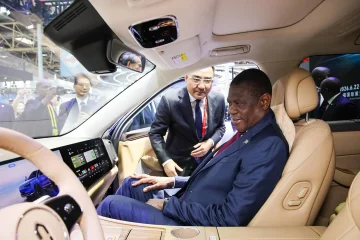
China’s position as South Africa’s largest global trading partner, and South Africa’s status as China’s primary African trading partner, illustrates the economic complementarity that BRICS proponents argue justifies deeper integration among member states. Chinese automotive manufacturers have already established production facilities in South Africa, creating employment in an economy facing persistent unemployment challenges.
Safeguards Amid Industrial Concerns
Minister Tau emphasised that negotiations would incorporate safeguards to protect South Africa’s industrial capacity – acknowledging domestic concerns about Chinese competition potentially undermining local manufacturing. This reflects broader tensions within BRICS partnerships between pursuing market access and protecting nascent industries.
China has invited South Africa to participate in the 9th China International Import Expo in Shanghai in November 2026 and will dispatch an inward buying mission, mechanisms designed to facilitate South African exporters’ market entry. A dedicated steel investment event signals Chinese interest in South Africa’s mineral resources and processing capabilities.
Implications for BRICS Economic Architecture
The agreement signals how BRICS countries are translating rhetorical commitments to South-South cooperation into concrete preferential arrangements. As Western nations maintain trade barriers and implement industrial policies favouring domestic production, BRICS members are constructing alternative networks that could gradually reshape global trade patterns.
The urgency both governments attached to finalising the framework agreement reflects broader BRICS objectives of reducing dependence on Western markets and financial systems. Whether such arrangements deliver equitable benefits to all parties – or primarily serve the interests of the bloc’s dominant economy – remains a critical question for South Africa’s policymakers and industries.