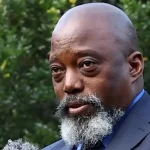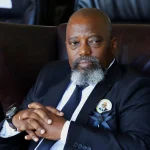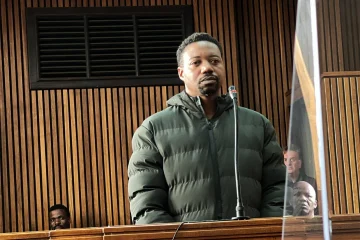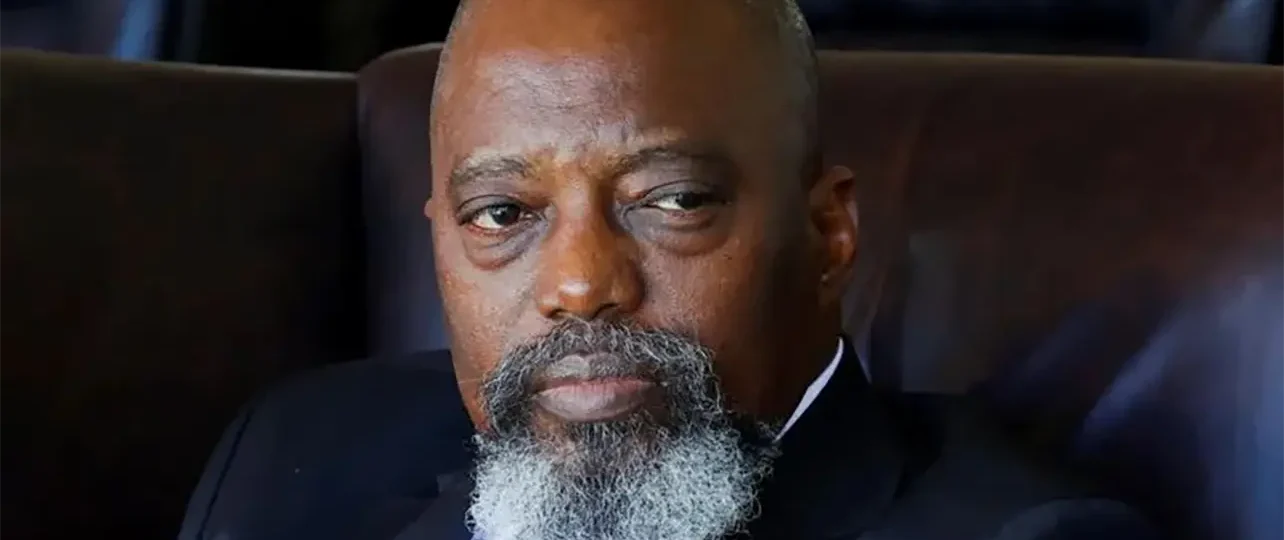

JOSEPH Kabila, who ruled the Democratic Republic of Congo for nearly two decades, has transformed from one of Africa’s longest-serving leaders into its most wanted man after the nation’s Senate voted overwhelmingly to strip him of immunity and clear the path for war crimes prosecution.
In a dramatic 88-to-5 secret ballot vote, senators paved the way for Kabila to become the first former Congolese head of state to face charges of treason, war crimes, and crimes against humanity within the country’s own judicial system—a seismic shift in a nation where former leaders have traditionally enjoyed impunity.
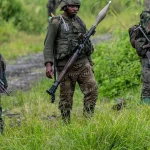
The charges centre on explosive allegations that Kabila, now living in exile primarily in South Africa, has been secretly supporting the Rwanda-backed M23 rebel group that has seized vast swaths of territory in eastern Congo amid a devastating resurgence of violence that has displaced millions.
An Ex-President in Hiding
Speaking from an undisclosed location in what appears to be his first public address since the charges emerged, a defiant Kabila denounced the proceedings as a “politically motivated witch hunt” orchestrated by his successor, President Felix Tshisekedi. The 53-year-old former president accused the current government of weaponising the justice system as “an instrument of oppression for a dictatorship desperately trying to survive.”
“I categorically deny any ties to the M23 rebels,” Kabila declared in the rare speech, his voice carrying the authority he once wielded but now stripped of its presidential power. He called for the withdrawal of all foreign troops from Congolese territory and invoked his military oath, declaring his readiness “to defend the nation.”
But his words ring hollow in a country where his political influence has evaporated and, according to analysts, there is little popular nostalgia for his rule.
The Unravelling of a Dynasty
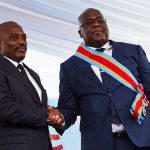
Kabila’s spectacular fall represents the collapse of a political dynasty that began with his father, Laurent-Désiré Kabila, who seized power in 1997. Joseph Kabila inherited the presidency in 2001 after his father’s assassination, when he was just 29 years old, making him one of the world’s youngest heads of state.
For 18 years, he maintained his grip on power in the mineral-rich but conflict-plagued nation, surviving two elections and delaying a third before finally stepping down in 2019, but not before securing himself a lifetime senate seat that came with immunity from prosecution.
That protection has now been shattered. Congo’s government claims to possess substantial evidence linking Kabila to atrocities, including civilian massacres and participation in an insurrectionary movement. Authorities have suspended his political party, the People’s Party for Reconstruction and Democracy (PPRD), and conducted raids on his properties, systematically dismantling the infrastructure of his former power.
Justice Long Delayed
The case will be heard by the High Military Court, which handles prosecutions of senior officials for military and security-related crimes. If convicted, Kabila faces the prospect of a lengthy prison sentence—if he can be brought back to face trial.
His exile in South Africa, which began in late 2023, now appears less like a strategic retreat and more like a desperate flight from justice. Any return to Congolese soil would likely result in immediate arrest.
The timing of the prosecution is particularly significant as Congo’s mineral-rich eastern provinces remain engulfed in conflict. The M23 rebels, whom Kabila allegedly supports, control significant territory despite fragile ceasefire agreements. The ongoing violence has created a humanitarian catastrophe while complicating international efforts to secure peace deals that would open the region to critical mineral investments coveted by global powers.
Regional Implications
The prosecution of Kabila sends shockwaves through a region where former leaders have historically enjoyed comfortable retirements regardless of their records in office. President Tshisekedi’s government appears determined to break this cycle of impunity as part of a broader push to restore state authority in the conflict-ridden east.
The move also has international ramifications. The United States and European allies are pushing for stability in eastern Congo to access its vast reserves of cobalt, lithium, and other critical minerals essential for the global green energy transition. The region’s strategic importance has made it a focal point of great power competition, with Rwanda accused of exploiting the chaos to pillage resources through its alleged support of M23.
An Uncertain Future
For Kabila, the path ahead appears increasingly bleak. His political party lies in ruins, his assets are under siege, and his allies face scrutiny. The man who once commanded one of Africa’s largest armies and controlled vast mineral wealth now finds himself isolated, exiled, and facing the prospect of spending his remaining years as a fugitive.
The irony is stark: Kabila spent his presidency fighting rebels in eastern Congo, often using the threat of armed groups to justify extended emergency powers. Now he stands accused of being in league with the very forces he once claimed to combat.
As Congo prepares for what could be its most significant war crimes trial, one question looms large: Will the former president, who refused to leave power voluntarily, now be forced to return to face the justice he long evaded?
The answer may determine not just Kabila’s fate, but whether Congo can finally break free from decades of conflict and impunity that have kept one of the world’s richest nations mired in poverty and violence.