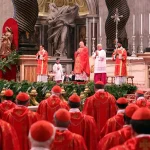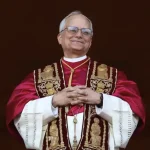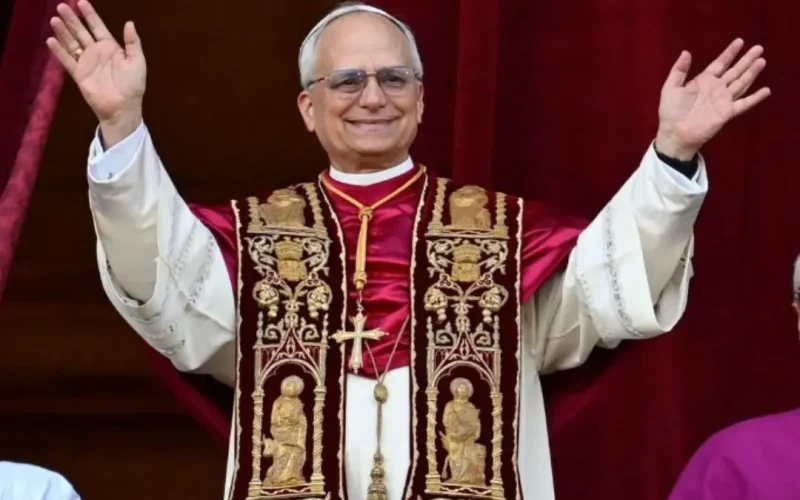
WHITE smoke billowed from the Sistine Chapel on the second day of the conclave, signalling a momentous decision: the College of Cardinals has elected Cardinal Robert Francis Prevost of the United States as the 267th leader of the Catholic Church, who will be known as Pope Leo XIV. With this historic choice, the Church welcomes its first-ever American pontiff, a development that will reverberate across continents and among the 1.3 billion Catholics worldwide.
The election of Pope Leo XIV is a landmark moment for the Church and for American Catholics, who now see one of their own ascend to the papacy for the first time in history. Yet, for millions of Catholics in Africa and Asia-regions where the Church has experienced explosive growth in recent decades, the wait for a pope from their own communities continues.
In the lead-up to the conclave, there was widespread anticipation that the next pope might hail from Africa or Asia, reflecting the shifting demographic heart of global Catholicism. The African Catholic population has surged in recent decades, and Asian Catholics have become an increasingly vital part of the Church’s tapestry. Several African and Asian cardinals were considered strong contenders, and many faithful in these regions hoped that 2025 would mark a turning point in the Church’s leadership.
Instead, the cardinals chose an American, a decision that underscores both the global reach of Catholicism and the enduring complexity of papal politics. For Africa and Asia, this outcome is bittersweet: it is a reminder that while their influence is growing, the highest office in the Catholic Church remains elusive. Still, the faithful in these regions unite with Catholics worldwide in welcoming Pope Leo XIV and in praying for his leadership.
The response to Pope Leo XIV’s election has been one of celebration and hope, not only in his native United States but across the Catholic world. In Africa and Asia, where Catholics have grown accustomed to waiting for their “moment,” the prevailing sentiment is one of unity and optimism. Church leaders and laypeople alike have expressed their support for the new pontiff, emphasising their hope that he will continue the legacy of Pope Francis by standing with the underprivileged and voiceless, and by speaking truth to power without fear or favour.
This spirit of solidarity is rooted in the Church’s universal character. As one African bishop remarked, “The Church is one family. Today, we celebrate with our American brothers and sisters, and we look forward to working with Pope Leo XIV for justice, peace, and the dignity of all God’s children.” Across Asia, Catholic communities echoed these sentiments, highlighting their trust that the new pope will champion the causes closest to their hearts.
Pope Leo XIV inherits a Church profoundly shaped by the papacy of Francis, who shifted the Church’s focus toward compassion, inclusion, and advocacy for the marginalised. Francis’s legacy includes a strong emphasis on social justice, care for migrants, and a willingness to engage with the world’s most pressing challenges-even when it meant confronting powerful interests.
The choice of the name “Leo” is itself significant. While not a direct reference to Francis, observers note that Pope Leo XIV’s selection of this papal name may signal a commitment to continuity with his predecessor’s reformist spirit. Early analysis suggests that Leo XIV is expected to maintain much of Francis’s focus on liberalisation and outreach to the peripheries of society.
However, the new pope faces immediate and formidable challenges. He must navigate internal divisions within the Church, where some factions push for a return to more traditional stances on issues like sexuality, gender, and marriage. Externally, he will contend with a turbulent global landscape marked by war, migration, and rising authoritarianism. The unresolved crisis of clerical sexual abuse also remains a critical test for his leadership.
For Africa and Asia, the election of an American pope is not the fulfilment of long-held hopes, but it is not a defeat either. The Church in these regions continues to grow in strength, numbers, and influence. Their leaders are increasingly prominent on the world stage, and their faithful are ever more engaged in the life of the Church.
The dream of an African or Asian pope remains alive, a hope that is now deferred but not diminished. As one Asian cardinal put it, “Our time will come. For now, we celebrate the unity of the Church and commit ourselves to supporting Pope Leo XIV in his mission.”
As Pope Leo XIV prepares for his formal inauguration, the world’s eyes are upon him. His first words and actions will be closely watched for signs of how he intends to lead. Will he continue Francis’s legacy of compassion and reform? Will he chart a new course, shaped by his American background and the unique challenges of this moment?
What is clear is that the Catholic Church remains a truly global institution, one whose future will be shaped by the hopes and contributions of Catholics from every continent. Africa and Asia may still wait for their first pope, but their voices and their expectations are now an indelible part of the Church’s ongoing story.
The election of Pope Leo XIV marks a new chapter in the history of the Catholic Church. While Africa and Asia continue to wait for their turn at the papacy, their faithful join the rest of the world in celebrating a new leader and praying that he will be a shepherd for all-especially the underprivileged and the voiceless. The journey toward a more inclusive Church continues, and with it, the hope that one day soon, the papal balcony will welcome a pope from every corner of the Catholic world.