
TO the outside world, Rwanda is a marvel. Kigali’s skyline rises clean and orderly against the Virunga hills. The country hosts world-class cycling races, football tournaments, and has aggressively courted NBA partnerships and Premier League sponsorships. President Paul Kagame presents his nation as proof that post-genocide Africa can leapfrog the West – a tech-forward, corruption-free democracy rising from the ashes of one of history’s worst atrocities.
But for citizens who dare to question that narrative, Rwanda can look like something else entirely.
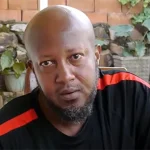
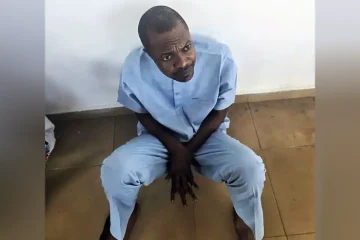
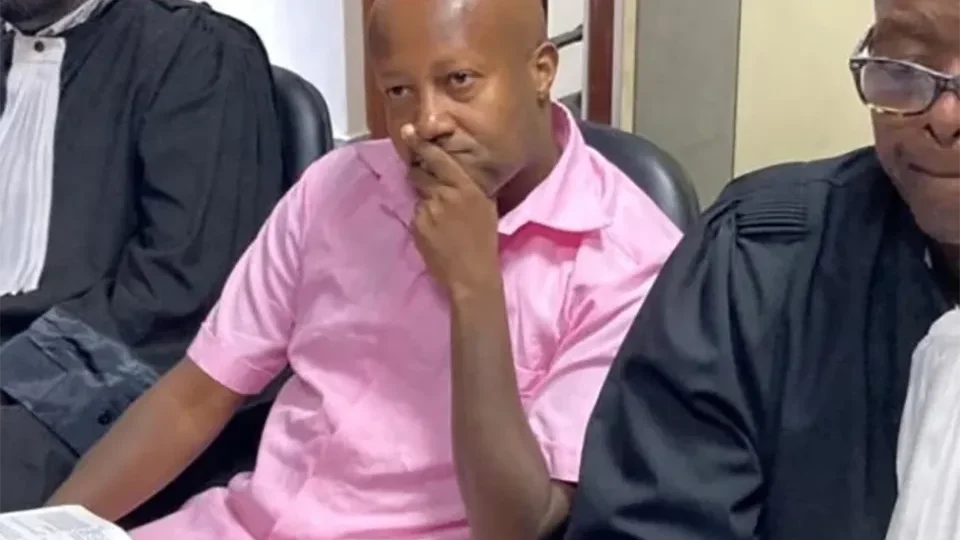
According to a report published this week by Human Rights Watch, blogger and commentator Aimable Karasira – detained since May 2021 – now faces a potential 30-year prison sentence after prosecutors appealed a lower court ruling that convicted him on lesser charges. Karasira, who before his arrest had spoken publicly about losing family members to both Hutu extremists and to forces of the ruling Rwandan Patriotic Front during and after the 1994 genocide, was initially convicted last September of inciting “divisionism” and sentenced to five years. Prosecutors, unsatisfied, pushed for far more – seeking convictions on genocide denial and justification, charges that carry decades behind bars. His bank accounts remain frozen.
Human Rights Watch also reports that Karasira has alleged he was tortured in custody, a claim that has drawn no official response or independent investigation.
The case arrived six years after the death of Kizito Mihigo, a beloved gospel singer and genocide survivor whose music centred on forgiveness and reconciliation. Mihigo was found dead in a police cell in February 2020, four days after he was re-arrested while attempting to leave the country. Before his death, he told Human Rights Watch he was being threatened and feared state agents might kill him. No credible investigation has ever been conducted.
Mihigo’s story is instructive precisely because it illustrates how the Rwandan government’s tolerance for dissent has limits that are both firm and unpredictable. He was not a political agitator. He was a man of faith who wrote a song expressing solidarity with all victims of violence – including those killed in RPF reprisals. That was enough to make him a target. Arrested in 2014, pardoned in 2018, then rearrested and dead within two years.
The legal tools used against Karasira – laws on “genocide ideology,” “divisionism,” and “genocide denial” – are broadly written and, according to Human Rights Watch, have been repeatedly deployed not to combat genuine incitement to hatred, but to shut down legitimate political speech. Critics, journalists, opposition figures, and even genocide survivors have found themselves ensnared in statutes that can make any divergence from the government’s official account of the genocide legally dangerous.
This is the tension at the heart of Rwanda’s global image problem, one that the country’s formidable public relations apparatus has so far managed to contain but not resolve. Rwanda’s development story is real. So is its crackdown. The question, increasingly asked by human rights observers, is whether the international community – including the sports federations, corporate sponsors, and Western governments that have embraced Kigali – is prepared to reckon with both at the same time.
Human Rights Watch has called on Rwandan authorities to release all those imprisoned for the peaceful exercise of free speech, beginning with Karasira. As his appeal proceeds, the organisation notes that Rwanda’s judiciary faces a test of whether it can operate independently of political pressure.
So far, the record is not encouraging.