IN an unprecedented crackdown that has sent shockwaves through Equatorial Guinea’s political establishment, the government has ordered sweeping measures to prevent sexual misconduct in state offices following what many are calling Africa’s most explosive sex scandal of recent years.
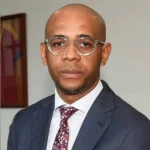
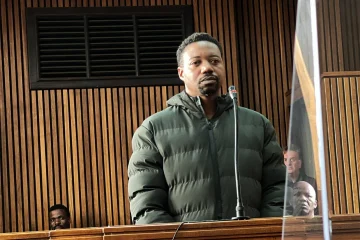
At the centre of the storm is Baltasar Ebang Engonga, the 54-year-old Director-General of the National Agency for Financial Investigation (ANIF), who stands accused of having sexual relationships with more than 400 women, including wives of high-ranking government officials. The scandal erupted when investigators, pursuing a 1.2 billion CFA franc corruption case, discovered hundreds of explicit videos during a raid of his office.
“This behaviour has severely damaged our nation’s reputation,” declared Vice President Teodoro Nguema Obiang Mangue in an emergency meeting with Supreme Court officials and the attorney general. The government has responded with unprecedented measures, including the installation of security cameras throughout government buildings and enhanced security protocols.
The scandal has particular irony given Engonga’s role as the nation’s top financial investigator, tasked with fighting corruption in the oil-rich Central African nation. Known as “Bello” in political circles, his dramatic fall from grace has sparked intense debate about power, privilege, and accountability in public office.
Engonga, who holds an economics degree from the University of Malabo, has attempted to defend himself against the allegations. In a statement posted on X, he claimed the videos were manipulated using artificial intelligence: “I want to tell the People of Equatorial Guinea…Those videos are AI-edited, my enemies are trying so hard to bring me down.”
The government’s response has been swift and severe. A statement from the state information agency announced that all individuals appearing in the videos would face immediate suspension, while security personnel responsible for the buildings where the alleged incidents took place would face disciplinary action for negligence.
The scandal has particular resonance in Equatorial Guinea, where President Teodoro Obiang Nguema Mbasogo has maintained tight control over the nation for decades. The explicit videos, which allegedly involve family members of powerful government figures, have exposed the intricate web of relationships at the highest levels of power.
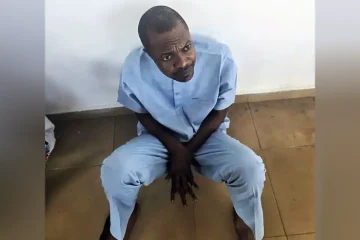
As Engonga remains in preventive detention with his assets frozen, the scandal continues to reverberate through the gleaming offices of Malabo’s financial district, where he once commanded respect. For many observers, this unprecedented case serves as a stark reminder of the responsibilities of public office and the swift consequences of betraying public trust in one of Africa’s most tightly controlled nations.