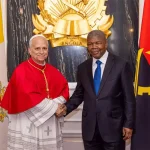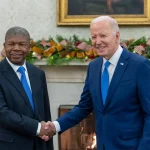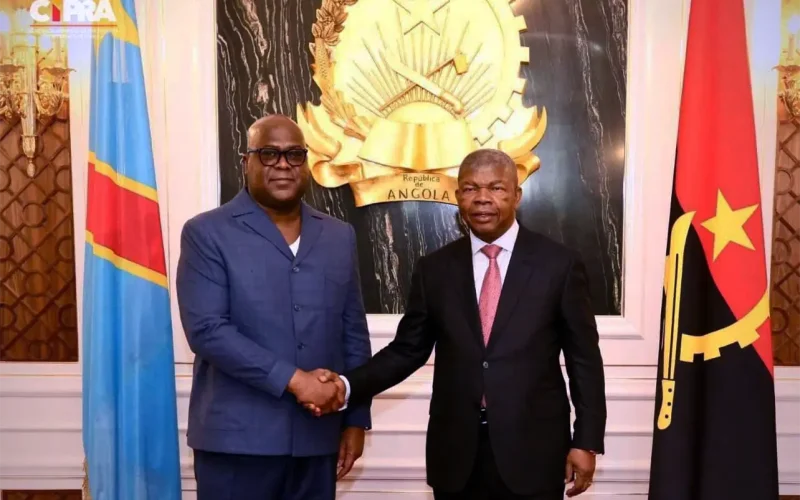
THE New Year has brought a familiar scene to Central African diplomacy: President Felix Tshisekedi, once again, making the journey to Luanda to meet with Angola’s President Joao Lourenço. This is neither his first nor second such visit, but rather the latest chapter in what has become a recurring pattern of hope, proposal, and disappointment in the quest for peace in the Democratic Republic of Congo’s war-torn east.
On Monday, Angola floated what it diplomatically termed “proposals” to end the conflict that has ravaged eastern DRC for decades. Tshisekedi reportedly found them “very interesting” and suggested they could “contribute significantly” to peace. Yet the studied vagueness of these terms – no details disclosed, no commitments announced – echoes the familiar language of diplomatic processes that have repeatedly failed to deliver lasting results.
The Weight of Failed Precedents
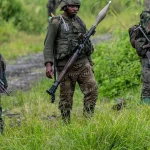
The significance of this meeting cannot be divorced from its context: previous Angolan attempts to broker peace have foundered on the complex realities of eastern Congo. The conflict, which has intensified dramatically since M23’s resurgence in 2021, has proven resistant to even the most determined mediation efforts. Even a US-brokered peace deal signed just last month has failed to stem the violence, with fighting erupting Saturday around the strategic city of Uvira – ironically, the very city M23 had announced it would withdraw from under American pressure on December 17.
This pattern raises uncomfortable questions: What makes these latest “proposals” any different? Why should this meeting succeed where so many others have failed?
The Diplomatic Arsenal
Lourenço brings considerable credentials to this effort. As current chairperson of both the African Union and the Southern African Development Community (SADC), he commands regional influence that few other leaders can match. Angola’s historical ties to the DRC and its own experience emerging from decades of civil war arguably position it as an ideal mediator.
Yet influence and experience have not translated into resolution. The resource-rich eastern DRC remains trapped in a conflict sustained by multiple armed groups, regional rivalries, and the involvement of neighbouring Rwanda, whose backing of M23 has been a persistent complication in peace efforts.
A Critical Week Ahead
The Luanda meeting takes on added significance given its timing: just days before defence ministers from the twelve-nation International Conference on the Great Lakes Region convene in Livingstone, Zambia, on Thursday. That gathering—bringing together military leadership from Angola, Burundi, the Central African Republic, Congo-Brazzaville, DRC, Kenya, Rwanda, Sudan, South Sudan, Tanzania, Uganda, and Zambia—will address what has become an increasingly parlous security situation.
The question is whether Lourenço’s undisclosed proposals can provide a framework for that meeting, or whether Thursday’s gathering will simply add another layer to an already complex diplomatic architecture that has failed to stop the killing.
The Burden of “Interesting”
In diplomatic parlance, “interesting” is a word that can mean everything or nothing. Tshisekedi’s characterisation of Angola’s proposals as such may signal a genuine possibility—or merely the polite acknowledgement required of a leader who has made the journey to Luanda and cannot return empty-handed, even in appearance.
The people of eastern DRC, who have endured decades of violence, displacement, and humanitarian catastrophe, have heard “interesting proposals” before. They have watched peace deals signed and violated, ceasefires announced and ignored, withdrawal commitments made and broken—as M23’s continued presence around Uvira demonstrates.
For them, the pursuit of peace is not elusive—it is absent. And as 2026 begins with yet another diplomatic initiative, the burden of proof rests heavily on those who would claim this time will be different. The challenge for Lourenço, Tshisekedi, and the regional leaders gathering in Livingstone is to transform diplomatic language into concrete action, and “interesting” proposals into lasting peace.
Until then, the pattern continues: another year, another meeting, another hope deferred in the long, bitter struggle for peace in the DRC.