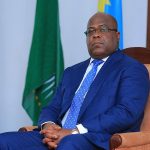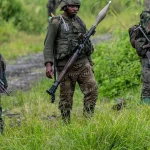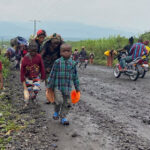
BEYOND the headlines of war and conflict in eastern Democratic Republic of Congo lies a more insidious challenge that cuts to the very heart of the nation’s struggle: the systematic exploitation of its poorest citizens by those meant to protect them. President Félix Tshisekedi now faces perhaps his gravest domestic crisis as accusations emerge that his own family has joined the ranks of those plundering the country’s mineral wealth at the expense of impoverished rural communities.
When Protectors Become Predators
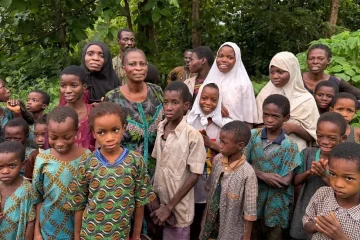
In the remote villages of Lualaba and Upper Katanga provinces, where mud-brick homes sit atop some of the world’s richest copper and cobalt deposits, a cruel irony plays out daily. The same minerals that power smartphones and electric vehicles across the globe have become instruments of oppression for the very people living above them. What should be a source of prosperity for these communities has instead become their curse, as powerful elites systematically divert resources that belong to the Congolese people into private coffers.
The legal complaint filed in Brussels against nine members of Tshisekedi’s family – including his wife, sons, brothers, and cousins – represents more than just another corruption case. It symbolises the betrayal of an entire nation’s hopes for change. These Belgian nationals, wielding both political influence and armed protection, allegedly control mining zones that should benefit the public, transforming what belongs to the people into personal wealth generators.
The Mechanics of Modern Kleptocracy
The scheme is as sophisticated as it is devastating. Reports suggest that tens of millions of euros vanish monthly through a network that reaches from village mining sites to international markets. Rural communities, already among the world’s poorest, watch helplessly as their mineral heritage is extracted under armed guard, with profits flowing not to schools, hospitals, or infrastructure, but to the bank accounts of the politically connected.
The exploitation extends beyond active mines to include valuable waste heaps – the mineral-rich tailings that represent generations of accumulated wealth. Companies linked to the presidential household allegedly strip these resources while the surrounding communities lack basic services like clean water, electricity, or healthcare. It’s a stark reminder that in the DRC, proximity to wealth often guarantees poverty rather than prosperity.
The International Dimension of Local Suffering
What makes this crisis particularly complex is its global reach. The copper and cobalt being diverted from Congolese communities feed international supply chains that power the green energy revolution in wealthy nations. Electric car batteries and renewable energy infrastructure depend on these minerals, creating a bitter irony where the DRC’s resources fuel environmental solutions abroad while its people suffer environmental and social degradation at home.
The decision to file charges in Brussels rather than Kinshasa reflects a broader truth about governance in the DRC: the country’s legal system remains too weak to challenge its most powerful citizens. This judicial vacuum forces civil society organisations and former mining executives to seek justice in foreign courts, highlighting how the failure of domestic institutions perpetuates the cycle of exploitation.
Beyond Family Ties: A System in Crisis
While the focus on Tshisekedi’s family members generates headlines, the real story is about a system that has failed the Congolese people for decades. The involvement of the president’s relatives in alleged mineral theft represents the latest chapter in a long history of kleptocracy that has turned the DRC’s natural wealth into a source of conflict rather than development.
For the rural communities of Katanga, this is not about politics or international law – it’s about survival. When mining zones are seized by private interests backed by armed guards, when waste heaps that could fund community development are privatised, when the very ground beneath their feet becomes a source of oppression rather than opportunity, the abstract concept of corruption becomes a daily reality of exploitation.
The Path Forward
The Brussels complaint may represent a turning point, not just for the accused family members, but for the broader question of how mineral wealth is governed in the DRC. The lawyers behind the case have indicated that charges may be filed in other jurisdictions, suggesting a coordinated international effort to address what they describe as “an internal crime” that demands external intervention.
For President Tshisekedi, the challenge is existential. How can he lead a nation toward prosperity when his own family stands accused of perpetuating the very system of exploitation that has kept the DRC impoverished despite its mineral riches? How can he convince international partners to respect Congolese sovereignty while his relatives allegedly treat the country’s resources as personal property?
The answer lies not just in legal proceedings or political rhetoric, but in fundamental reforms that put the interests of ordinary Congolese people – especially those in mineral-rich rural areas – at the centre of the country’s development strategy. Until mining wealth serves the public rather than private interests, until communities benefit from the resources beneath their feet, the DRC will remain trapped in a cycle where abundance breeds poverty and natural gifts become generational curses.
The stakes could not be higher. In a country where the average person lives on less than $2 a day while sitting atop trillions of dollars in mineral wealth, the question is not whether the DRC can afford to address this crisis of exploitation – it’s whether the country can afford not to.