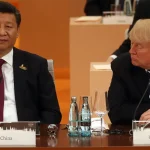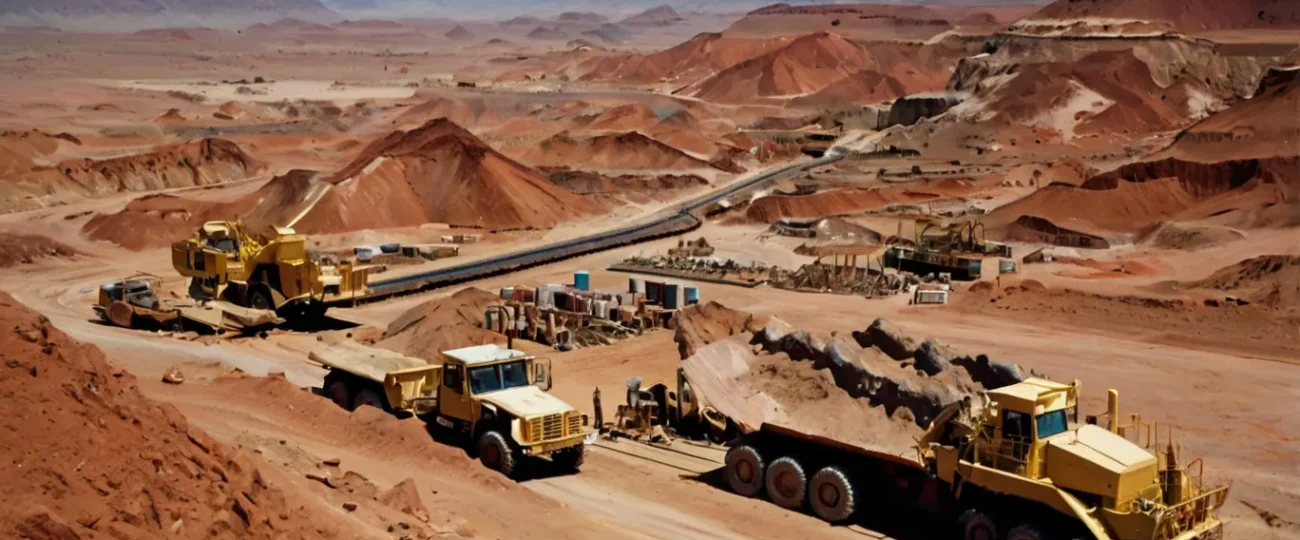

IN the dusty corridors of power, where shadows of diplomacy dance and economic titans clash, a new battleground emerges – Africa, a continent rich in minerals and potential, caught between the strategic ambitions of the United States and China.
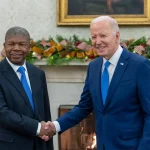
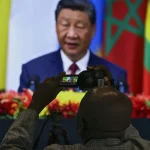
The stage is set in Angola, where whispers of economic transformation mix with the scent of opportunity. President Joe Biden arrives, carrying promises of partnership, while a Chinese diplomat simultaneously announces a bold move: zero-tariff access for Africa’s least developed countries.
For decades, Africa’s minerals have been both a blessing and a curse – a siren song attracting global powers, promising wealth yet often delivering exploitation. China, with its Belt and Road Initiative, has been playing a long, calculated game. Billions of dollars lent, billions more strategically positioned, creating a web of economic dependency that spans the continent.
But the landscape shifts. China’s pivot from outright lending to trade and investments signals a sophisticated recalibration. Countries like Zambia, once drowning in Chinese debt, now symbolize the complex dance of international economic relations.
A Diplomatic Chess Match
Biden’s declaration – “We are all in on Africa” – rings out like a challenge. The United States, long struggling to gain meaningful traction on the continent, now watches as China expands its economic toolkit. One hundred and forty new products now enter duty-free, from rice to cotton, from sugar to paper – each item a strategic piece on this global chessboard.
The numbers tell a stark story. In 2022, China was Africa’s primary export destination, channelling $101 billion into African economies. Italy, India, and Spain trail behind, mere supporting actors in this grand economic theatre.
Yet beneath the diplomatic niceties lies a critical narrative. Critics argue that China’s relationship with Africa remains fundamentally extractive – a one-sided affair where African nations export raw materials – oil, copper, and cobalt – while China transforms these into high-value finished goods.
Hannah Ryder, from Development Reimagined, offers a nuanced perspective. China is keen to emphasize its commitment, its “follow-through” of promises—a subtle jab at other global partners who might make grand statements but deliver little.
The Unfolding Drama
This is more than a trade negotiation. It’s a battle for influence, for economic sovereignty, for the very soul of a continent long marginalized. Each tariff removed, each diplomatic handshake and each strategic investment writes another chapter in Africa’s ongoing story of potential and challenge.
The mineral maze continues, with Africa at its heart – no longer just a passive landscape, but an active protagonist in a global economic epic.