IN the gleaming towers of Sandton, Johannesburg’s affluent business district, a seemingly ordinary cryptocurrency transaction in 2017 would eventually lead to a breakthrough in South Africa’s fight against international terrorism. For nearly six years, investigators from the Hawks’ elite Crimes Against the State team played a patient game of digital cat and mouse, following a trail of virtual breadcrumbs through the shadowy world of cryptocurrency.
The case began with a suspicious Bitcoin purchase worth R11,500 – a relatively modest sum that would prove to be far more significant than its face value. On a November day in 2017, these digital coins moved from a South African bank account through Luno, a cryptocurrency exchange, and into the digital wallet of what claimed to be an innocent charity. But beneath this benign facade, investigators would later allege, lay a more sinister purpose.
The breakthrough came on a spring afternoon in October 2024, when Hawks officers, armed with a search warrant, swept into a Sandton residence. Inside, they found not only crucial evidence linking the 35-year-old suspect to the alleged terror financing scheme but also discovered an additional violation – licensed firearms stored improperly, adding to the gravity of the situation.
The investigation revealed a complex web of organizations, with the supposedly charitable foundation allegedly connected to groups involved in weapons procurement and militant activities abroad. What made this case particularly significant was its demonstration of how modern terrorism has evolved to embrace cryptocurrency – a development that South African authorities had prepared themselves to combat.
Lieutenant General Godfrey Lebeya, heading the Directorate for Priority Crime Investigation, framed the arrest as part of South Africa’s commitment to meeting international anti-terrorism financing standards. The arrest sent a clear message: South Africa’s financial intelligence capabilities had evolved to match the sophisticated methods of those who would use digital currencies for nefarious purposes.
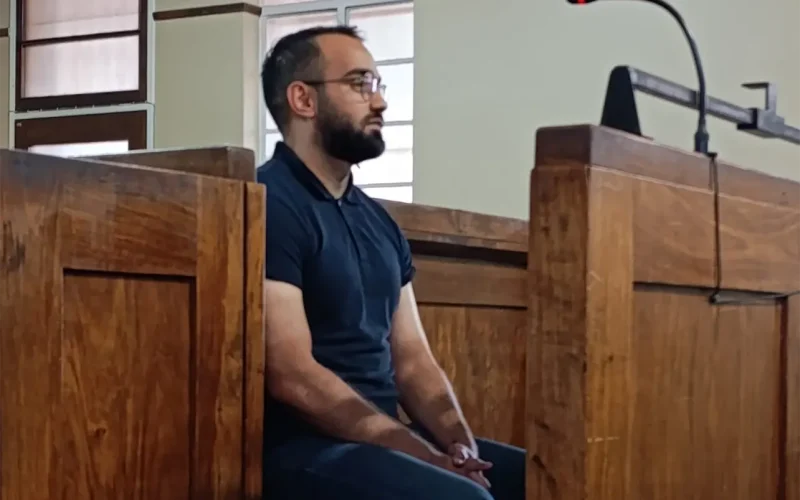
As the suspect faced the Lichtenburg Magistrates Court in early 2025, the case stood as a testament to the patience and precision of South African law enforcement. What began as a suspicious transaction flag in 2018 had grown into a comprehensive investigation that demonstrated South Africa’s growing capabilities in combating the modern face of terror financing.
This case marked not just an arrest, but a statement: in the digital age, the shadows where terror financing once lurked are growing smaller, even in the complex world of cryptocurrency. South Africa had shown it could track, trace, and ultimately bring to justice those who would use modern financial tools to support terrorism.