THE roar of Formula One engines hasn’t echoed across African soil for over three decades, but the continent is revving up for a spectacular return to motorsport’s most prestigious stage. In a high-octane battle that combines sporting ambition with geopolitical strategy, Rwanda and South Africa are locked in an intense duel to become Africa’s F1 gateway.
The sting of exclusion from the 2026 Formula One calendar still reverberates across the continent. While Spain celebrates securing two Grand Prix slots – with glamorous Madrid joining the historic Barcelona circuit – Africa’s 1.4 billion people remain spectators to a sport that has largely forgotten them. But beneath this disappointment lies a burning determination to reclaim what many believe is rightfully theirs.
In a move that would have seemed impossible just decades ago, Rwanda has emerged as Africa’s most ambitious F1 contender. The small East African nation has unveiled a breathtaking $1.2 billion motorsport megaproject that reads like something from a futuristic racing novel. Rising from the plains near Bugesera International Airport, 40 kilometres from the gleaming capital of Kigali, a state-of-the-art circuit is taking shape that promises to redefine African motorsport.
The track’s design comes from the brilliant mind of Alexander Wurz, the former F1 driver whose racing pedigree brings instant credibility to Rwanda’s bold vision. Every curve and straight has been crafted to meet the exacting FIA Grade 1 standards – the gold standard that separates F1 circuits from mere racetracks.
President Paul Kagame, the visionary leader who has transformed Rwanda from a post-genocide tragedy to an African success story, sees F1 as the ultimate expression of his nation’s renaissance. “This is not just about racing,” Kagame has declared, “this is about positioning Rwanda at the centre of the global stage.” The economic projections are staggering: a potential tourism boom, thousands of new jobs, and international recognition that money simply cannot buy.
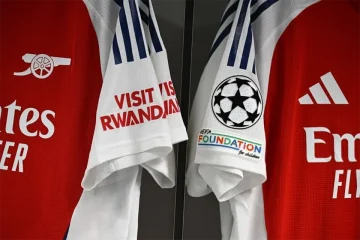
Rwanda’s masterstroke came in hosting the FIA General Assembly and Prize Giving ceremony in Kigali – a historic first for the African continent. The symbolism was unmistakable: as motorsport’s global elite gathered in the heart of Africa, Rwanda positioned itself not as a supplicant, but as motorsport’s future home. The glamorous ceremony, with its fusion of African culture and F1 sophistication, sent shockwaves through the racing world and announced Rwanda’s arrival as a serious player.
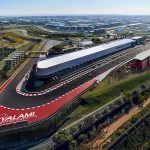
But Rwanda faces a formidable opponent in South Africa, a nation whose motorsport DNA runs deep. The last African Grand Prix took place at Kyalami Circuit in 1993, when Alain Prost claimed victory in what many considered one of the most spectacular races of that era. For South African motorsport fans, that 30-year absence feels like an eternity.
Now, the Rainbow Nation is mounting its comeback with the weight of history behind it. The government has assembled a high-powered task team, extending bidding deadlines as two compelling proposals emerge from the competition. Cape Town’s proposed street circuit promises to deliver the kind of urban spectacle that has made Monaco and Singapore F1 legends, while the historic Kyalami track near Johannesburg carries the nostalgic appeal of motorsport’s golden age.
South Africa’s bid carries emotional weight that transcends mere economics. This is about reclaiming a place in global motorsport, about proving that African nations can compete on the world’s biggest stage. The country’s rapidly expanding renewable energy sector perfectly aligns with Formula 1’s ambitious net-zero carbon emissions target by 2030, offering a sustainable racing future that could inspire the entire continent.
The campaign for African F1 has found its most influential champion in seven-time world champion Lewis Hamilton. The British-born driver of Grenadian heritage has used his unprecedented platform to lobby tirelessly for Africa’s inclusion in the F1 calendar. Hamilton’s advocacy isn’t just about geographic diversity – it’s about justice, representation, and giving African racing fans the heroes and inspiration they deserve.
“Africa has been overlooked for far too long,” Hamilton has repeatedly stated, his voice carrying the authority of motorsport’s most successful active driver. His influence extends far beyond the cockpit, and his public support has legitimised Africa’s F1 aspirations in ways that government officials and business leaders alone never could.
This battle between Rwanda and South Africa represents far more than a competition for hosting rights. It’s a fascinating clash of continental soft power, where motorsport becomes a vehicle for economic development, international recognition, and regional leadership.
Rwanda’s timing has been nothing short of masterful. By hosting the FIA awards ceremony – the first time this prestigious event has taken place on African soil – the country demonstrated its organisational capabilities while showcasing the stunning transformation that has made it one of Africa’s most remarkable success stories. The visual impact of Formula 1’s biggest stars celebrating in Kigali sent a powerful message about Africa’s place in global motorsport.
South Africa’s approach leverages its established motorsport infrastructure and deep racing heritage. The country’s bid represents continuity with F1’s African past while promising innovation for its future. The decade-long contract the nation seeks, potentially beginning in 2027, signals a serious long-term commitment that could provide the stability F1 craves in emerging markets.
Both nations understand that modern F1 success requires more than fast cars and passionate fans. Formula 1’s commitment to environmental responsibility has made sustainability a crucial battleground. Rwanda’s plans incorporate cutting-edge solar energy systems and electric vehicle infrastructure, positioning the nation as a green motorsport pioneer. South Africa’s renewable energy revolution offers complementary strengths, with wind and solar power potentially making an African Grand Prix one of the most environmentally responsible races on the calendar.
While the 2026 calendar disappointment stings, both nations are focusing on what many experts believe is a more realistic target: the 2027 season. The additional preparation time allows for more comprehensive planning, better infrastructure development, and stronger sustainability integration.
The prospect of F1’s return to Africa after a 30-year absence has captured imaginations across the continent. From the bustling streets of Lagos to the townships of Johannesburg, from the hills of Kigali to the markets of Nairobi, African motorsport fans are daring to dream again.
Whether Rwanda’s futuristic vision or South Africa’s heritage-modern hybrid ultimately prevails, one thing is certain: Africa’s re-emergence on the global F1 stage will be transformative. The continent that gave birth to humanity is preparing to host the world’s most technologically advanced sport, creating a narrative that transcends racing and speaks to Africa’s unlimited potential.
The battle for Africa’s F1 future continues to accelerate, fueled by ambition, supported by champions like Hamilton, and driven by the unwavering belief that the continent’s time has finally come. When those engines finally roar back to life on African soil, it will mark more than just the return of a Grand Prix – it will announce Africa’s arrival as a major player in global motorsport’s next chapter.
The countdown to Africa’s F1 renaissance has begun. The only question remaining is which nation will claim the honour of hosting the continent’s triumphant return to the pinnacle of motorsport.