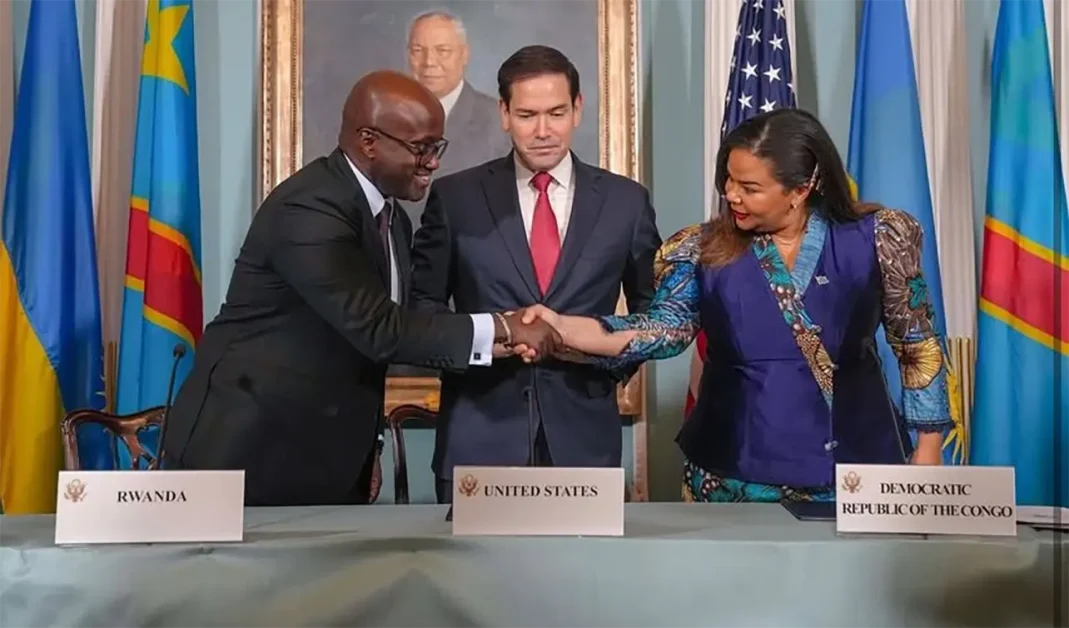
THE UN refugee agency hailed a groundbreaking peace agreement signed between the Democratic Republic of Congo and Rwanda as offering “renewed hope” to millions who have fled violence repeatedly, as the historic accord could end decades of conflict that has left more than 20 million people desperately needing humanitarian aid in eastern DRC.
UNHCR, the UN Refugee Agency, welcomed the Washington accord and commended “the efforts of regional and international partners who made this important milestone toward lasting stability possible.” The agreement, brokered by the United States, commits both nations to respect borders, halt support for armed groups, and withdraw foreign troops from the mineral-rich region that has been devastated by conflict for more than two decades.
“The agreement can bring renewed hope to those who have endured far too much for far too long,” said Filippo Grandi, UN High Commissioner for Refugees. “This is a chance to turn the page – ensuring the protection of civilians, including refugees and internally displaced people, and advancing durable solutions that allow them to rebuild their lives in safety and dignity.”
The agreement comes as international aid to the region has collapsed, with the United States — historically providing 70 percent of UN funding to DRC — slashing humanitarian contributions. UN Emergency Relief Coordinator Tom Fletcher warned just days ago that aid workers were being forced to make “brutal choices, life-and-death choices” about who receives help.
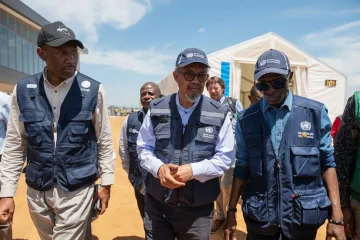
“For these women — the survivors of sexual violence, for the kids who told me they needed water, for the communities that told me they needed shelter, medicine, these cuts are real right now and people are dying because of the cuts,” Fletcher said during a visit to the Goma region this week.
From Crisis to Opportunity
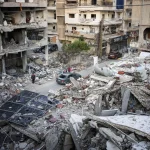
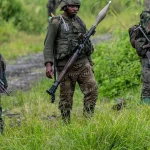
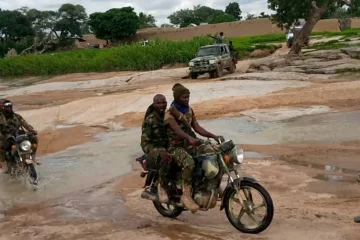
The peace deal promises to transform the lives of millions displaced by fighting between Rwanda-backed M23 rebels and Congolese forces. The rebels overran Goma in January, adding hundreds of thousands to the five million people already living in displacement camps across eastern DRC.
Central provisions of the agreement include:
- Disarmament of militias operating in the region
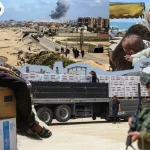
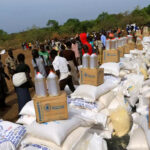
- Opening of humanitarian corridors for aid delivery
- Safe return of refugees and internally displaced persons
- Withdrawal of foreign troops from Congolese territory
- Establishment of joint monitoring mechanisms
For communities in North and South Kivu provinces, the agreement could mean an end to daily violence and the constant threat of displacement. Fields abandoned due to conflict may again yield crops, while children long denied education could return to school.
Cautious Hope Amid Deep Scars
The accord addresses a crisis that Fletcher described as involving “decades of trauma” for the population. During his recent visit to eastern DRC, the UN official met with survivors of sexual violence, hearing what he called “horrific stories” from women trying to rebuild their lives after systematic abuse linked to the fighting.
“They have been through hell,” Fletcher said, emphasising the urgent need for continued international support even as funding dries up.
The peace agreement offers hope for reopening roads and markets, potentially reviving an economy devastated by years of conflict. Regional investment in infrastructure and trade could bring jobs and stability to areas that have seen little development amid the violence.
Implementation Challenges Ahead
However, significant obstacles remain. Not all armed groups operating in the region have agreed to lay down weapons, and security remains fragile. Many displaced people express concerns about justice for past atrocities and whether their return will truly be safe.
Civil society leaders warn that economic development must not come at the expense of local communities, emphasising that those most affected by the conflict must have a voice in the peace process.
The timing of the peace deal is particularly significant given the stark disparity in global spending priorities. Fletcher noted that saving 114 million lives worldwide through humanitarian aid would require just “one percent of what the world spent on defence last year” — a figure that came into sharp focus as NATO members recently agreed to increase collective defence spending by five percent.
A New Chapter Begins
For the people of eastern DRC, the agreement represents a moment of cautious optimism after years of broken promises. If implemented with proper oversight and genuine commitment from both sides, it could end cycles of violence that have torn apart families and communities.
“I really strongly believe there’s a movement out there that will back this work,” Fletcher said during his recent visit, maintaining hope despite the enormous challenges. “I’ve not given up on human kindness and human solidarity.”
The agreement marks a potential turning point for one of the world’s largest humanitarian crises. With proper implementation and sustained international support, millions of Congolese families may finally have the opportunity to return home, rebuild their lives, and write a new chapter in their long and difficult story.
The ink may be dry on the Washington accord, but the real work — building lasting peace, delivering justice, and helping millions return home — begins now.