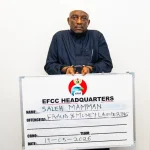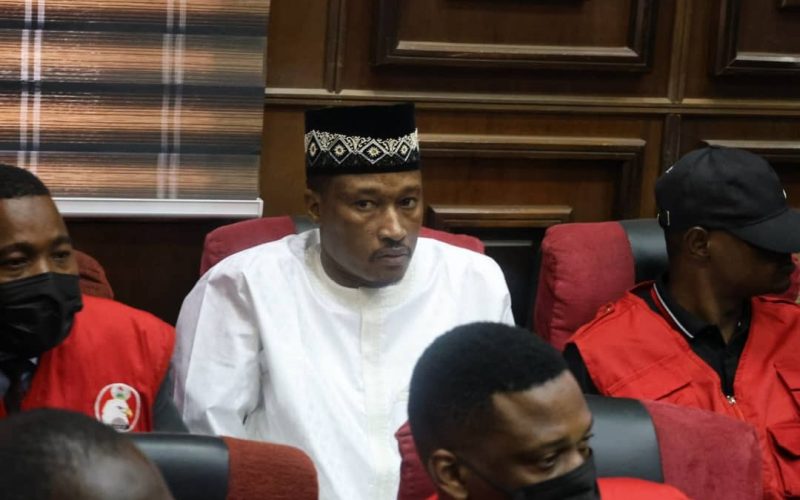
IN a dramatic escalation of Nigeria’s counter-terrorism efforts, the Economic and Financial Crimes Commission (EFCC) on Wednesday arraigned Bauchi State Finance Commissioner Yakubu Adamu alongside three senior government officials on charges of financing terrorism and laundering nearly $10 million in public funds.
The case, unfolding in Justice Emeka Nwite’s Federal High Court chambers, represents more than routine corruption prosecution. It signals a strategic recalibration in Nigeria’s protracted battle against insurgency – one that targets not just militants wielding weapons, but the shadowy financial architecture enabling a scourge that has devastated communities across the country’s northeast and beyond.
Following the Money Trail
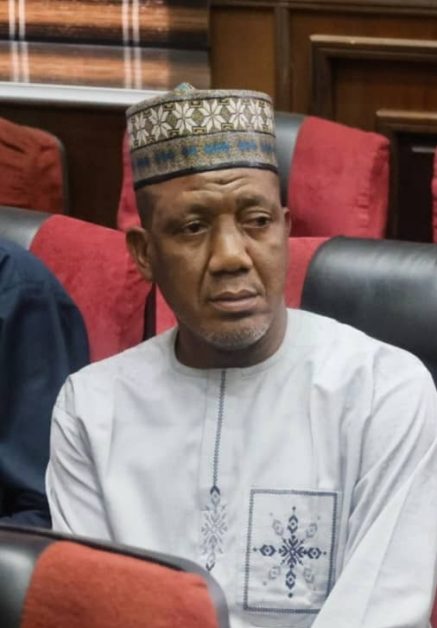
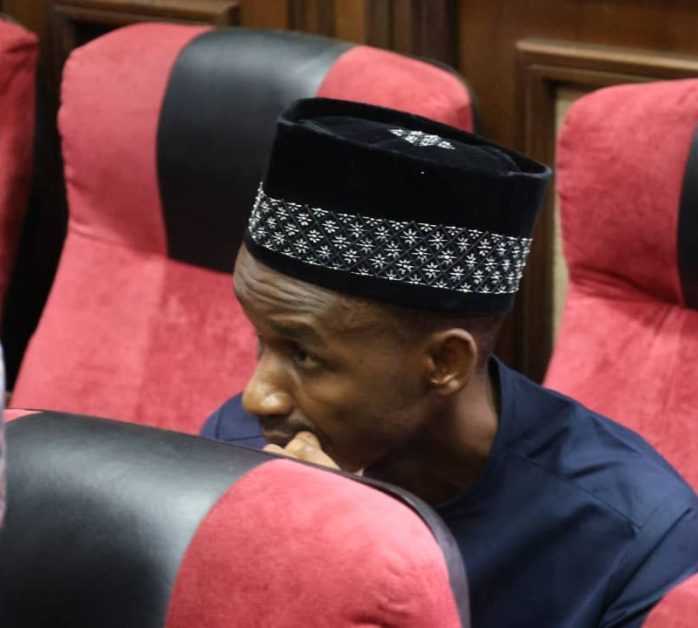
The ten-count indictment alleges that between January and May 2024, Commissioner Adamu and co-defendants – including accountants Balarabe Abdullahi Ilelah, Aminu Mohammed Bose, and Kabiru Yahaya Mohammed – conspired to channel approximately $2.3 million in cash to Bello Bodejo and associated individuals, with “reasonable grounds to believe” these funds would support terrorist operations.
Additionally, prosecutors charge Adamu with receiving $6.95 million in cash payments outside formal banking channels, violating Nigeria’s Money Laundering (Prevention and Prohibition) Act of 2022 – legislation specifically designed to choke off illicit financial flows to extremist networks.
The charges implicate not just mid-level bureaucrats but reach toward Bauchi’s executive office itself, with court documents indicating that fund transfers occurred “pursuant to approvals granted by the executive Governor of Bauchi State, Senator Bala Abdulkadir Muhammed.”
A War Measured in Billions and Bodies
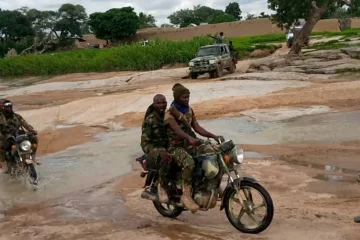
For Nigeria, the stakes extend far beyond this courtroom. The nation has haemorrhaged billions of dollars combating Boko Haram, Islamic State West Africa Province (ISWAP), and other militant groups whose campaigns of terror have left hundreds dead in individual attacks, thousands killed over years of conflict, and an estimated three million people displaced from their homes.
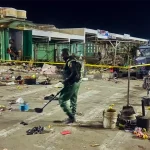
The humanitarian catastrophe has devastated entire regions. Communities have been razed, schools destroyed, and development reversed by decades in areas where insurgents have established control. The economic toll, measured in military expenditures, lost productivity, and shattered infrastructure, compounds the human suffering.
Against this backdrop, Wednesday’s arraignment represents what counter-terrorism experts have long advocated: attacking the financial oxygen that sustains terrorist operations. Militants require funds for weapons, logistics, recruitment, and maintaining territorial control. Disrupting these networks can prove as effective as military operations – and potentially more sustainable.
The Politics of Prosecution
Yet the case also illuminates the complex political dimensions of Nigeria’s counter-terror campaign. That sitting government officials from Bauchi State face such grave charges raises uncomfortable questions about the depth of institutional compromise and whether terrorist financing has penetrated state bureaucracies.
The involvement of multiple signatories to government accounts, including the state’s Accountant-General Sirajo Jaja (currently at large), suggests systematic rather than isolated corruption. If proven, the allegations would represent a stunning betrayal of public trust at a moment when Nigeria can least afford institutional weakness.
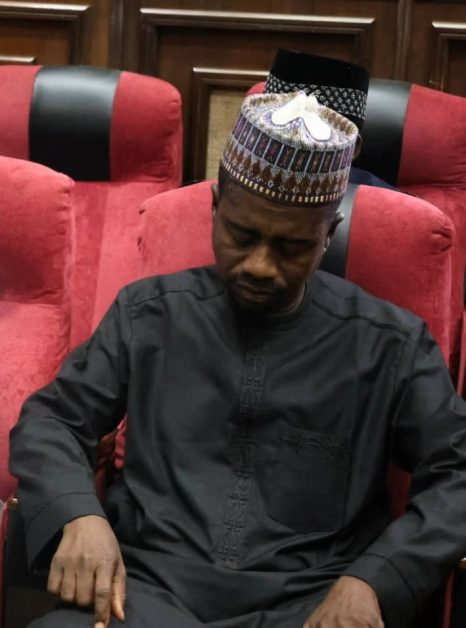
All four defendants entered not guilty pleas on Wednesday. Their legal teams immediately filed bail motions, which Justice Nwite will consider on January 5, 2026, after reviewing the prosecution’s counter-affidavit. Until then, the accused remain at Kuje Correctional Centre.
A Test of Resolve
For EFCC prosecutor Samuel Chime and his team, the case presents formidable challenges. Terrorism financing prosecutions require establishing not just financial irregularities but demonstrating that defendants possessed knowledge or reasonable belief that funds would support terrorist activities – a demanding evidentiary standard.
Yet success could reverberate beyond this single case. Convictions would send unmistakable signals that Nigeria’s counter-terrorism strategy has evolved beyond kinetic operations to target the financial enablers who, from positions of bureaucratic authority, sustain the very violence their government claims to combat.
As Nigeria enters 2026, this prosecution will test whether the nation’s legal institutions possess the capacity and political independence to hold powerful figures accountable—even when such accountability threatens to expose uncomfortable truths about how deeply terrorist networks have infiltrated state structures.
The hundreds who have died, the millions displaced, and the billions spent in this grinding conflict demand nothing less than justice pursued without favour or compromise. Wednesday’s arraignment suggests that reckoning may finally be underway.