NIGERIAN security forces rescued 62 hostages and killed two militants this week in operations across Kebbi and Zamfara states, the latest chapter in a grinding conflict that has claimed thousands of lives, displaced hundreds of thousands, and left communities across the northwest living under the constant threat of abduction.
But even as troops stormed forest hideouts and freed captives, the question hanging over Nigeria’s protracted security crisis remained unanswered: How many will be taken tomorrow?
The rescues came days after disputed reports of a mass abduction in Kaduna state, where accounts from community leaders describing 160 to 177 worshippers seized from churches during Sunday services collided with flat denials from police and state officials who insist no such attack occurred. The conflicting narratives – residents and social media accounts versus official statements – have become emblematic of a crisis marked not only by violence but by confusion, mistrust, and accusations of government cover-ups.
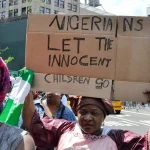
What is beyond dispute is the scale of the catastrophe. Armed gangs operating from forest bases have turned kidnapping into an industry, targeting schools, churches, mosques, and entire villages with near impunity. More than 300 students and teachers were abducted from a Catholic school in November and released only after prolonged negotiations. Churches have been raided mid-service. Families have been torn apart, their members held for ransom or forced into captivity for months.
The crisis has shattered the social fabric of the northwest, where communities now live in fear, children stay home from school, and worship has become an act of defiance. The psychological toll is immeasurable; the economic damage, devastating.
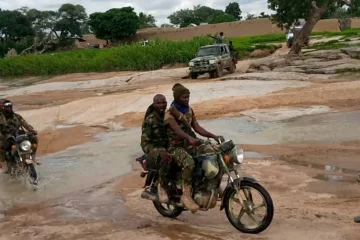
Nigeria’s response has been a familiar pattern: military operations that yield periodic rescues but fail to stem the tide. Army spokesperson Lieutenant Colonel Olaniyi Osoba said the 62 hostages freed this week are now in safe custody, with efforts underway to reunite them with families. Troops also ambushed the Lakurawa militants near the Kebbi-Sokoto border after receiving intelligence on their movements.
Yet these tactical victories exist within a strategic stalemate. The armed groups – criminal gangs known locally as bandits, alongside Islamist militants – remain entrenched in forest hideouts that span state lines. Poor intelligence coordination, underfunded local policing, and corruption continue to undermine government efforts, according to security analysts. Nigeria’s defence minister resigned last month amid the escalating crisis, with the presidency citing health reasons.
The United States has now entered the fray directly. American forces launched strikes against Islamic State targets in northwest Nigeria on Christmas Day, a rare military intervention that underscored the international dimensions of Nigeria’s security collapse. President Donald Trump has publicly accused the Nigerian government of failing to protect Christians from Islamist militants, warning of further military action if attacks continue.
Nigeria has pushed back against the characterisation, insisting it is targeting armed groups that attack both Christian and Muslim civilians without discrimination. “Nigeria remains committed to safeguarding Christians and Muslims alike, without discrimination,” foreign ministry spokesperson Alkasim Abdulkadir said. The government points out that kidnapping gangs operate primarily for profit, crossing religious lines in their predation.
But Trump’s intervention has exposed the political volatility of the crisis. The dispute over the Kaduna church abductions, with community leaders insisting it happened and police insisting it didn’t, has fueled accusations that authorities are downplaying attacks on Christians. A video circulating on social media alleged that residents were being prevented from accessing the community, though the claims could not be independently verified. Kaduna’s police commissioner challenged those making allegations to provide names and details of the victims.
The conflicting accounts raise troubling questions about transparency and accountability in a country facing multiple overlapping security crises: kidnapping for ransom in the northwest, an Islamist insurgency in the northeast, separatist violence in the southeast, and farmer-herder clashes in central regions.
What remains clear is that military operations alone have not broken the cycle. Troops rescue hostages; militants abduct more. Hideouts are raided; new camps emerge. The government announces crackdowns; families bury their dead or mortgage their futures to pay ransoms.
The 62 people freed this week will return to communities still held hostage by fear. And somewhere in Nigeria’s northwest forests, other captives remain in the hands of armed men, waiting for rescue that may never come – or may come too late.
The question is no longer whether Nigeria can win this war. The question is whether it can stop losing.