
GUNMEN have abducted a Catholic priest and 10 parishioners during a pre-dawn raid on a church compound in northern Nigeria, killing three residents in an attack that underscores the country’s worsening kidnapping crisis.
Reverend Father Nathaniel Asuwaye, parish priest of Holy Trinity Catholic Church in Karku, Kauru Local Government Area of Kaduna State, was taken along with 10 others around 3:20 a.m. on February 7, according to the Catholic Archdiocese of Kafanchan. The assailants fired indiscriminately before fleeing into the surrounding forests with their captives.
The attack comes just days after 82 kidnapped parishioners were released elsewhere in the region, highlighting the escalating security challenges facing the Nigerian government.
Three residents – Jacob Dan’azumi, Maitala Kaura, and Alhaji Kusari – were killed during the assault, the archdiocese confirmed through its Chancellor, Very Rev. Fr. Jacob Shanet.
“We call on all people of goodwill to pray for the safe release of our priest and the other victims,” Fr. Shanet said in a statement. As of Friday evening, no ransom demands had been received, and the captives’ whereabouts remained unknown.
No arrests have been made, and no government or police statements have been issued by late Friday. DSP Mansir Hassan, spokesman for the Kaduna State Police Command, could not be reached for comment. No deployments or rescue operations were announced despite the attack occurring in an area nominally under military-police patrols.
The silence from authorities mirrors the response to a January 2026 church abduction in nearby Kajuru, where 160-177 worshippers were initially taken. Officials initially denied the incident before later confirming it, prompting delayed intervention by Inspector-General of Police Kayode Egbetokun.
Critics say the pattern reveals systemic failures in protecting vulnerable communities in Nigeria’s Middle Belt, where bandit groups have operated with increasing impunity despite petitions to Governor Uba Sani and federal authorities.
National Security Emergency
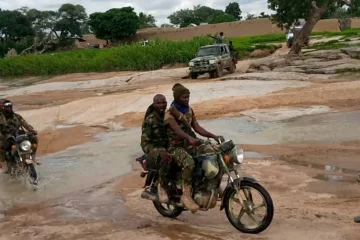
Kidnappings for ransom have become a national security crisis for President Bola Tinubu’s government, with armed criminal gangs, locally called bandits, terrorising rural communities across northern and central Nigeria. The Nigerian military’s 1st Division oversees Kaduna State but has struggled to dislodge bandit networks from forest strongholds.
Recent military operations have focused on addressing massacres in neighbouring Kwara State, where 170 people were killed, rather than the ongoing abductions in Kauru, according to security analysts.
Kauru Local Government Area has been particularly hard-hit. Between November and December 2025, at least 138 people were abducted across three communities, Kabari, Rumaya, and Nasarawan Kadage, with 16 killed. In January 2026, another attack in Kadagen Kauru claimed 20 lives.
Catholic clergy have been frequent targets. According to church records, 25 priests have been kidnapped in Kaduna State since 2015, with seven killed.
Communities in the area have accused security forces of failing to prevent attacks despite the presence of checkpoints and patrols, with some alleging complicity in the violence.
The latest abduction follows patterns established by bandit groups, who typically hold captives for extended periods until ransoms are paid. Church-led rescue efforts have proven more effective than government operations in securing releases.
Human rights observers say the attacks demand immediate federal intervention to break the cycle of impunity and protect vulnerable populations in the region.