MORE than 154,000 people remain evacuated from their homes across northwestern Morocco as relentless flooding continues to devastate one of the nation’s most fertile agricultural regions, with the historic city of Ksar El Kebir still half-submerged more than 10 days after floodwaters first inundated its streets.
The humanitarian crisis, triggered by rainfall levels 215% above last year’s average since late January, has transformed the Gharb plain—Morocco’s breadbasket—into a waterlogged disaster zone. Yet in what authorities are calling a triumph of preemptive action, not a single fatality has been recorded, a stark contrast to December’s Safi floods that claimed 37 lives.
A City Underwater
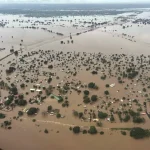
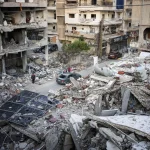
Ksar El Kebir presents an apocalyptic scene. Streets have become rivers. Power grids lie crippled. Hospitals, schools, and markets stand shuttered and inaccessible. Dialysis patients have been forced to trek to Tangier for life-sustaining treatment. Recovery efforts remain paralyzed as authorities maintain red alerts with more rain forecast through the weekend.
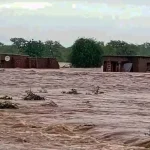
The Loukkos River and the overwhelmed Oued El Makhazine dam—which reached a staggering 146% capacity—continue bleeding water into low-lying areas. Some 85% of Ksar El Kebir’s residents have fled, joining the exodus that grew from 108,432 evacuees on February 3 to over 154,000 by February 6.
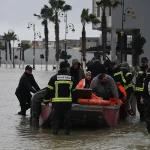
Royal Armed Forces helicopters plucked stranded families from rooftops. More than 70 buses and trains ferried the displaced to temporary camps in Tangier and repurposed schools across Larache, Kenitra, Sidi Kacem, and Sidi Slimane provinces. The military operation, ordered directly by King Mohammed VI, continues around the clock.
The Human Toll
In emergency shelters, evacuees huddle beneath tents and blankets distributed by army logistics teams. The Interior Ministry and National Vigilance Committee coordinate food aid, medical kits, and sanitation as families wait in limbo. Schools remain closed, childhoods suspended. No timeline exists for safe return—experts warn that saturated soils may delay reentry into late February.
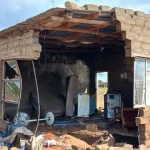
The government response mirrors its 2025 Safi flood protocol, when 73,000 households received emergency cash, home repairs, and family support. Field teams now monitor river levels and reinforce dikes while drones survey the extent of destruction: collapsed roads, damaged bridges, flooded sugar factories, and countless ruined homes.
Yet no official damage estimate has been released. Assessments remain incomplete as rising waters prevent comprehensive surveys. Past precedents suggest costs in the hundreds of millions of dirhams, though the true toll awaits water recession.
Agricultural Apocalypse
The economic devastation runs deep. The Gharb plain, which produces 40% of Morocco’s wheat, faces catastrophic crop losses that threaten national food security and export revenues for years to come.
Potato fields in the Loukkos basin have turned to “soup”—prolonged saturation causing rot, mould, and destruction even on well-drained sandy soils. Sugar beet crops lie completely destroyed in floodplains. Berries, cereals, and soft fruits have been battered by winds and submersion. Avocado, olive, and citrus groves critical to Morocco’s agricultural exports suffered variable but significant ruin during the crucial winter harvest cycle.
Beyond immediate crop failure looms a more insidious threat: long-term soil degradation. Floodwaters have eroded topsoil, spread salinity, and deposited silt across farmland, impairing the drainage and irrigation systems built to protect this fertile region. Contaminated groundwater and disrupted hydro-agricultural networks could delay replanting for months.
The economic ripple effects are profound. Morocco now faces the prospect of reduced wheat yields extending into 2027, forcing increased imports amid global market volatility. Export-oriented farms confront revenue collapse and rural job losses. Labour costs for olive harvesting have already spiked to 200 dirhams daily. Industrial zones and port operations have suffered delays and power disruptions.
Climate Whiplash
The cruel irony cannot be ignored: this deluge arrives after seven years of punishing drought. While reservoirs now stand at 62-100% capacity—offering short-term irrigation relief—the violent swing between extremes underscores Morocco’s acute vulnerability to climate chaos.
Farmers who shifted to water-intensive crops during the drought years now face amplified dependency on fragile aquifers. Poor drainage infrastructure and saturated clay-heavy soils in areas like Arbaoua have magnified flood impacts across the flat northwestern terrain.
Climate experts warn that without infrastructure upgrades, drought-resistant crop varieties, and improved flood modelling, such disasters will only intensify. The controlled release of over 372 million cubic meters from dams prevented catastrophic collapses, but couldn’t spare the land below.
Zero Deaths, Uncertain Future
Morocco’s preemptive evacuation strategy has undeniably saved lives. The Interior Ministry’s risk-based relocations, military mobilisation since January 30, and continuous red alert warnings kept the death toll at zero—a remarkable achievement given the scale of displacement.
But as February wears on and rain continues to fall, the evacuees face an agonising wait. When floodwaters finally recede, they will return to damaged homes, destroyed livelihoods, and a landscape transformed by nature’s fury.
The rehabilitation ahead is daunting: repairing hydro-agricultural networks, rebuilding homes and infrastructure, restoring power and healthcare services, and compensating farmers for losses that may reverberate through Morocco’s economy for years.
King Mohammed VI’s directives have mobilised national resources, drawing on precedents from past disasters. Yet the question remains whether emergency response alone can address the underlying vulnerabilities—ageing infrastructure, climate volatility, and the precarious balance between drought and deluge that now defines Morocco’s agricultural future.
For now, over 154,000 Moroccans remain in limbo, their homes underwater, their futures uncertain, survivors of a humanitarian disaster that has tested their nation’s resilience to its very limits.